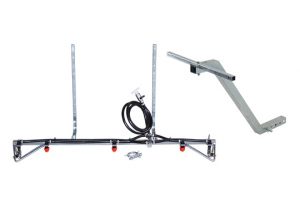
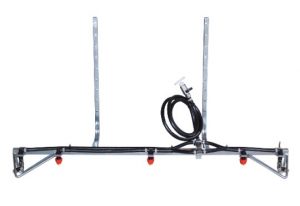
What Is a Boom Sprayer?
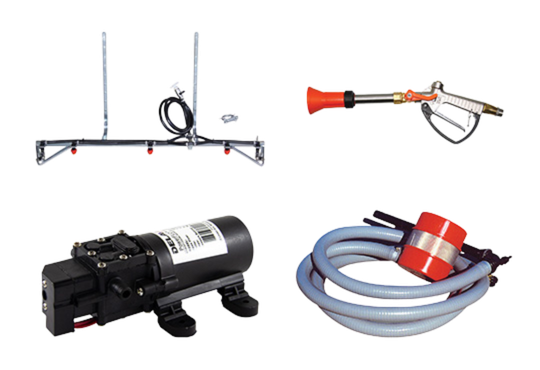
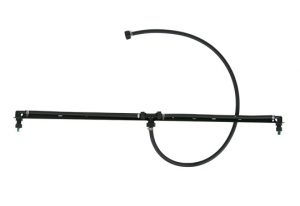
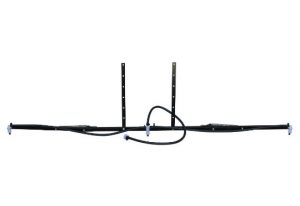
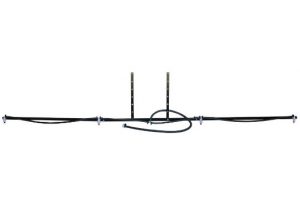
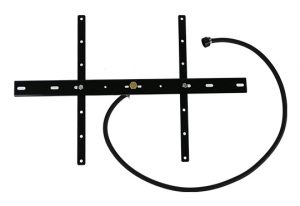
A boom sprayer is a spraying system that uses a horizontal bar, known as a boom, fitted with multiple spray nozzles spaced evenly along its length. As liquid is pumped through the system, each nozzle releases spray at a controlled rate, creating uniform coverage across a wide area.
Boom sprayers can be:
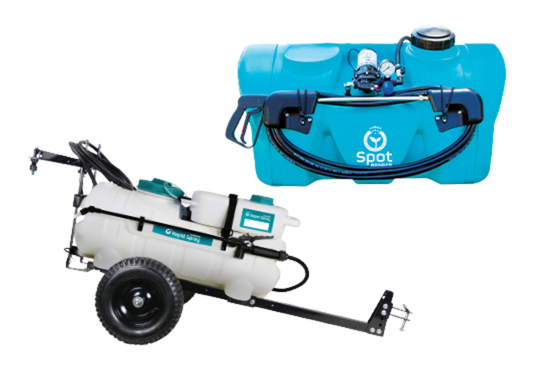
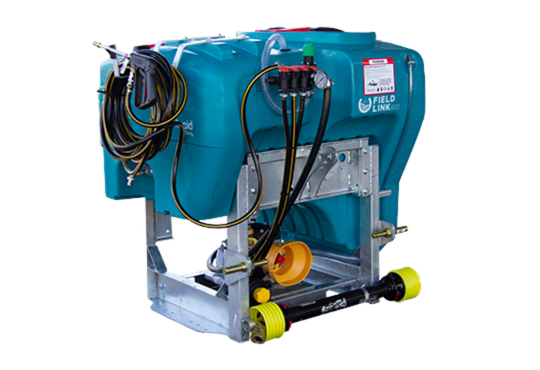
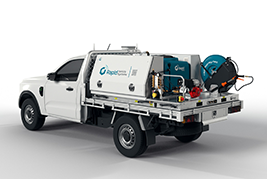
Mounted on vehicles, utes, or trailers
Fitted to ride-on mowers
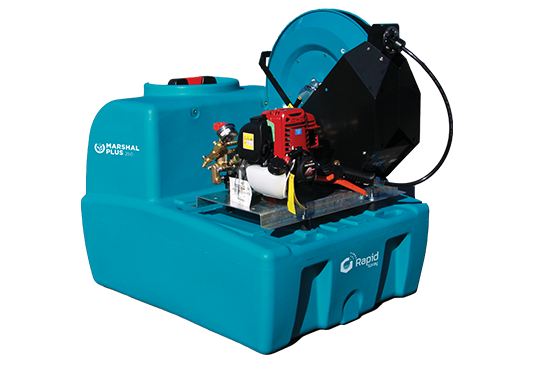
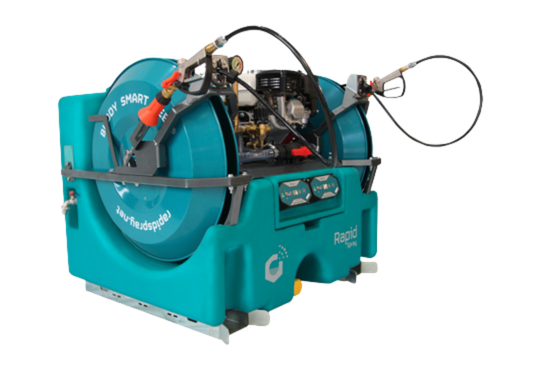
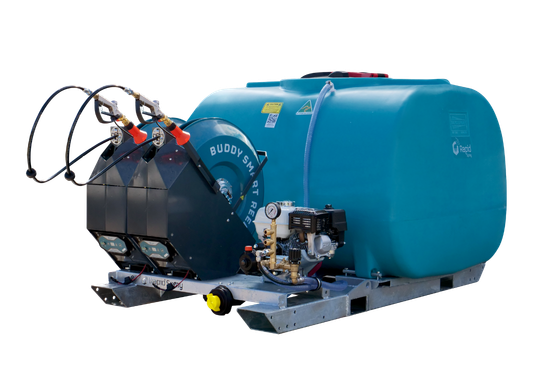
Integrated into water carts or spraying units
Used in agricultural or turf applications
They are designed to apply chemicals evenly and accurately over broad areas, making them ideal for large-scale spraying tasks.
Why Use a Boom Sprayer?
Boom sprayers are widely used because they provide unmatched consistency and efficiency when spraying large areas.
Even Coverage
One of the main benefits of a boom sprayer is uniform application. With evenly spaced nozzles, boom sprayers:
Deliver consistent spray patterns
Prevent under or over application
Improve chemical effectiveness
This is critical when applying fertilisers or selective herbicides that rely on accurate dosing.
Increased Efficiency
Boom sprayers allow operators to:
Cover wide areas quickly
Reduce spraying time
Minimise refills
Lower labour costs
This makes them ideal for commercial operations and large properties.
Reduced Chemical Waste
Accurate application helps:
Common Uses for Boom Sprayers
Agriculture and Farming
Boom sprayers are commonly used in agriculture for:
Broadacre weed control
Crop spraying
Fertiliser application
Pasture management
They are well suited to open paddocks and flat terrain where consistent coverage is required.
Turf and Lawn Management
In turf applications, boom sprayers are used on:
Sports fields
Golf courses
Large residential lawns
Commercial landscapes
They provide even coverage that helps maintain healthy turf and consistent growth.
Councils and Government Applications
Local councils use boom sprayers for:
Park and reserve maintenance
Roadside vegetation management
Public land spraying
School and facility grounds
Boom sprayers help councils manage large areas efficiently while maintaining safety and compliance.
Commercial and Industrial Properties
Boom sprayers are also used for:
Industrial estates
Large commercial sites
Warehouse surroundings
Infrastructure corridors
Types of Boom Sprayers
Fixed Boom Sprayers
Fixed boom sprayers have a rigid boom width and are ideal for:
They are commonly mounted to trailers or vehicles.
Folding Boom Sprayers
Folding boom sprayers allow the boom arms to fold in when not in use.
Advantages include:
These are popular for users who need flexibility.
Adjustable Boom Sprayers
Adjustable boom systems allow operators to:
Change boom width
Adjust nozzle spacing
Modify spray height
This flexibility is useful when spraying different types of areas or vegetation.
Boom Width and Coverage Considerations
Boom width plays a major role in performance.
Common boom widths include:
Narrow booms for ride-on mowers and compact setups
Medium-width booms for acreage and turf
Wide booms for large paddocks or commercial operations
Choosing the right width depends on:
Wider booms increase efficiency but may be harder to manoeuvre in tight spaces.
Nozzles and Spray Patterns
Nozzles are critical to boom sprayer performance.
Common nozzle types include:
Flat fan nozzles for herbicides
Low-drift nozzles for windy conditions
Fertiliser-specific nozzles for liquid nutrients
Correct nozzle selection helps:
Regular inspection and replacement of nozzles ensures consistent performance.
Boom Sprayer vs Boomless Sprayer
While both systems are effective, they serve different purposes.
Boom sprayers are best for:
Boomless sprayers are better for:
Many operators choose one based on terrain or use both for different applications.
Calibration and Setup Best Practices
Correct calibration is essential for effective spraying.
Calibration involves:
Setting the correct pressure
Choosing the right nozzle size
Measuring output per minute
Matching travel speed to application rate
Proper calibration ensures:
Regular calibration checks help maintain accuracy over time.
Safety Considerations When Using a Boom Sprayer
Safety should always be a priority.
Best practices include:
Wearing appropriate personal protective equipment
Following chemical label instructions
Avoiding spraying in high winds
Maintaining safe distances from people and animals
Cleaning equipment after use
Responsible spraying protects the operator, the environment, and surrounding vegetation.
Maintenance Tips for Boom Sprayers
Routine maintenance helps extend the life of the sprayer.
Key maintenance tasks include:
Flushing the system after each use
Cleaning filters and strainers
Inspecting hoses and fittings
Replacing worn nozzles
Storing equipment out of direct sunlight
Well-maintained boom sprayers deliver consistent performance and reduce downtime.
Choosing the Right Boom Sprayer for Your Needs
When selecting a boom sprayer, consider:
Size of the area being sprayed
Type of chemicals used
Terrain and access
Vehicle or mower capacity
Availability of spare parts and support
Australian-made or Australian-supported equipment is often preferred due to durability and ease of servicing.
Final Thoughts
A boom sprayer is one of the most efficient and reliable tools for large-scale spraying tasks. Its ability to deliver even coverage, reduce chemical waste, and improve productivity makes it an essential piece of equipment for agriculture, turf management, councils, and commercial operations.
With the right setup, calibration, and maintenance, a boom sprayer provides long-term value and consistent results in Australian conditions.




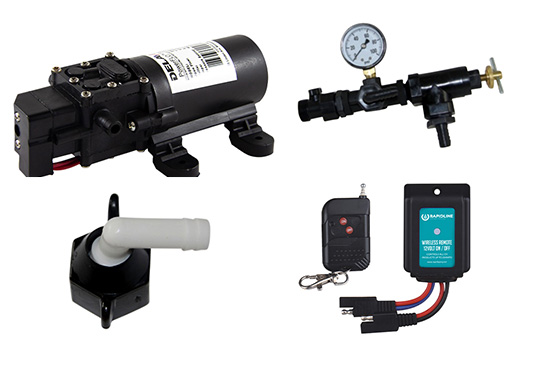 12V Pumps, parts & accessories
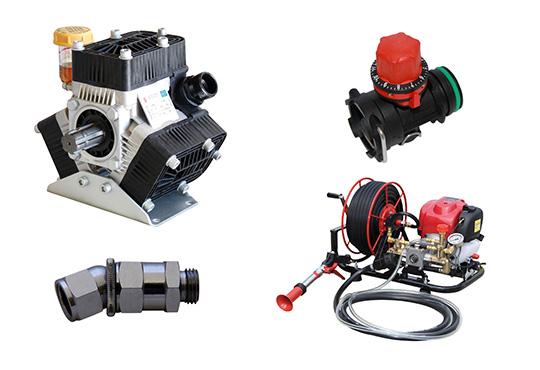 Engine & PTO Drive Pumps, parts & accessories
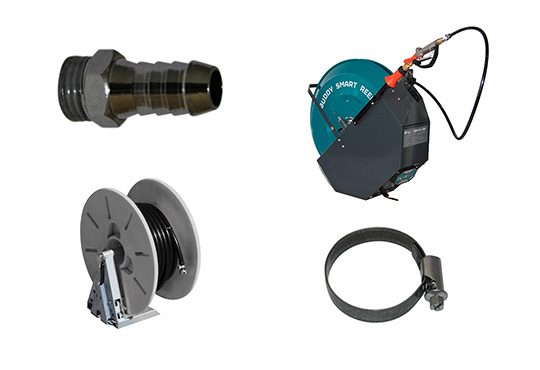 Hose Reels & Parts
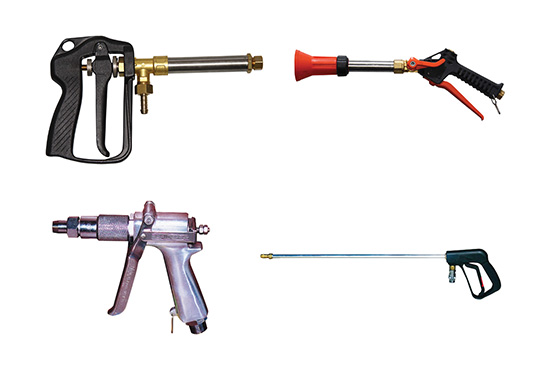 Spray Guns, Lances & Accessories
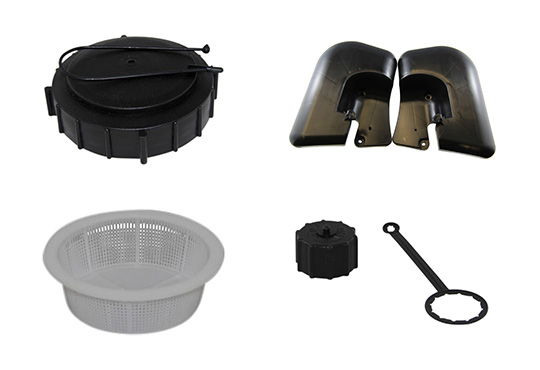 12 Volt Spot Sprayer Parts & Accessories
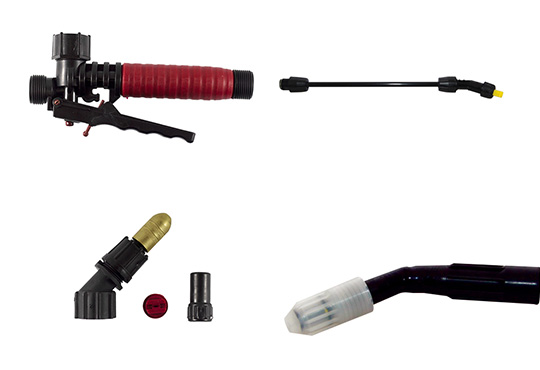 Backpack, compression & trolley sprayer parts
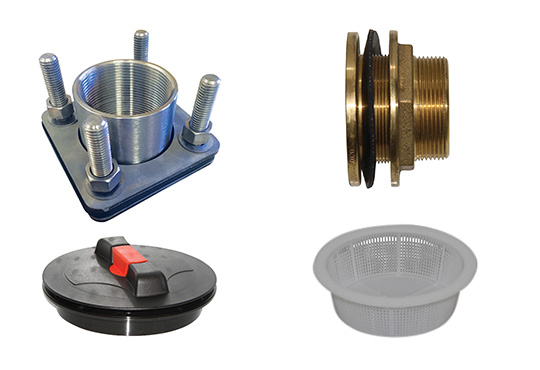 Spray Tank Lids, basket filters & outlets
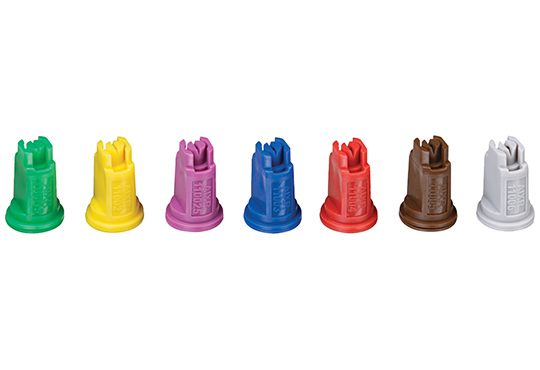 nozzles, boomless nozzles & boom accessories
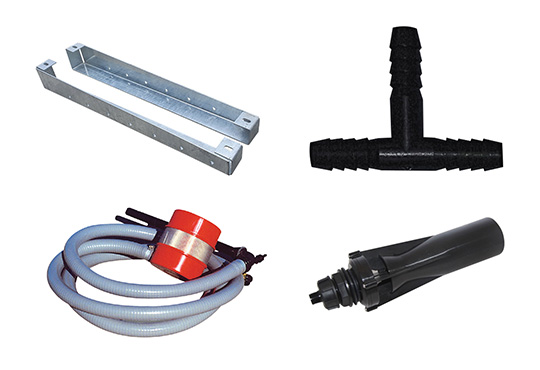 Other Spray Parts & Accessories
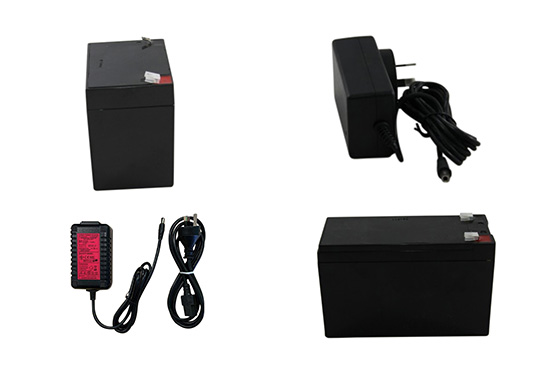 Batteries & Chargers