













Bushfire season in NSW and QLD is becoming increasingly intense, with hotter temperatures, stronger winds, and drier landscapes creating dangerous conditions for homeowners and landholders. Whether you live on acreage, a farm, or a semi-rural block, preparing your property before the fire season begins is the single most powerful way to protect your home, family, livestock and livelihood.
This comprehensive guide covers everything you need to do to get bushfire-ready, including property preparation, building protection, equipment recommendations, emergency planning, and what to pack in your survival kit. The goal is simple: to help you make informed, proactive decisions that significantly reduce risk when a fire threatens.
Why Early Bushfire Preparation Matters
Bushfires can move quickly, often faster than people expect. A fire front can shift direction in minutes, embers can travel long distances on strong winds, and spot fires can ignite well before the flames reach a home. In these moments, a property that has been properly prepared stands a far better chance of surviving.
Early preparation matters because:
-
It reduces fuel loads around buildings
-
It strengthens your home’s resistance to ember attacks
-
It ensures you have water and equipment ready to deploy
-
It gives you time to create and practise a survival plan
-
It helps firefighters access and defend your property if needed
Waiting until a fire is nearby is too late. Bushfire readiness must be done ahead of time, calmly and thoroughly.
Step 1 – Reduce Fuel Loads and Clear Vegetation
One of the most effective ways to prepare is reducing fuel around buildings. Dry grass, fallen leaves, overgrown shrubs and low-hanging branches act like a fuse during a bushfire.
Key actions include:
Maintain Your Surroundings
-
Clear fallen leaves, twigs, bark and dry debris
-
Keep grass mowed and prevent overgrowth
-
Prune branches hanging close to the home
-
Remove dead trees, sticks and accumulated green waste
-
Create a fuel-reduced zone around sheds, garages and water tanks
Store Combustible Items Safely
Keep these at least 10 metres away from buildings:
-
Firewood and timber
-
Mulch piles
-
Scrap materials
-
Pallets
-
Fuel containers
This helps stop flames from easily jumping to structures.
Step 2 – Prepare and Protect Your Home’s Structure
Ember attack is the most common cause of home loss during a bushfire. Embers can enter tiny gaps in roofs, gutters and vents, smouldering silently until flames ignite.
Strengthen your home’s defences by:
Clean Gutters and Roof Areas
-
Remove leaves and debris from gutters
-
Install metal gutter guards if possible
-
Repair damaged roof tiles or metal sheets
Seal Openings
-
Seal gaps around doors, windows and eaves
-
Cover external vents with fine metal mesh
-
Enclose under-house areas if embers can collect there
Protect Windows
-
Consider non-flammable shutters
-
Remove flammable outdoor furniture and door mats
These small upgrades dramatically improve your home’s ember resistance.
Step 3 – Ensure You Have Adequate Water Supply and Access
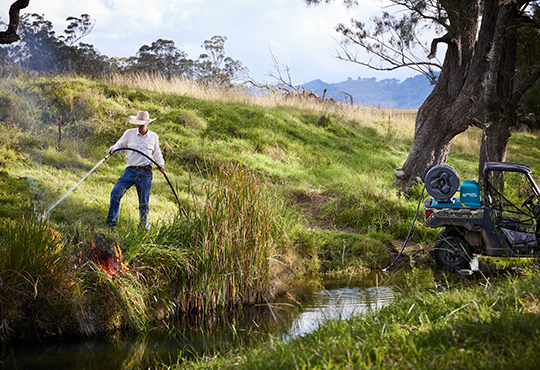
During a bushfire, mains water pressure can drop or fail completely. Rural and semi-rural landowners should always have their own independent water sources and the equipment to deliver that water effectively.
What You Should Have
-
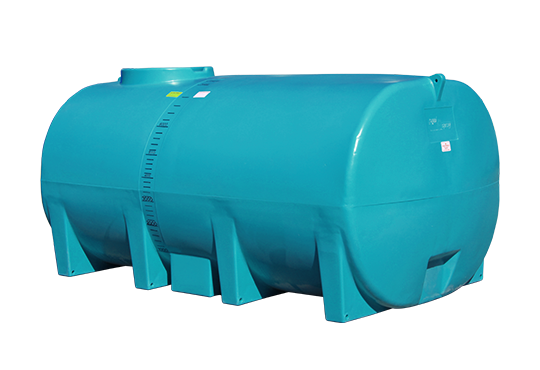
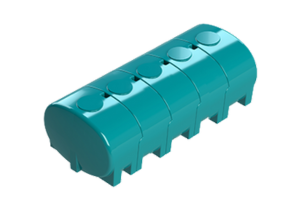
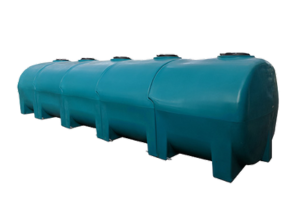
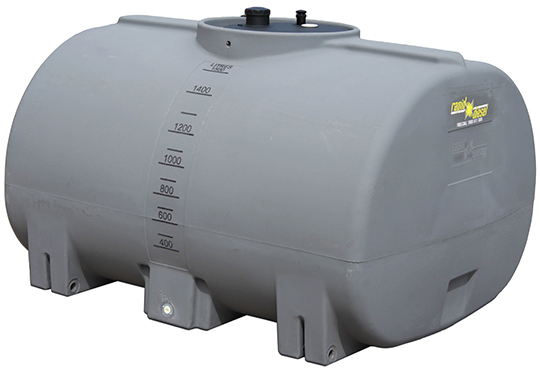
A dedicated water tank or dam accessible for firefighting
-
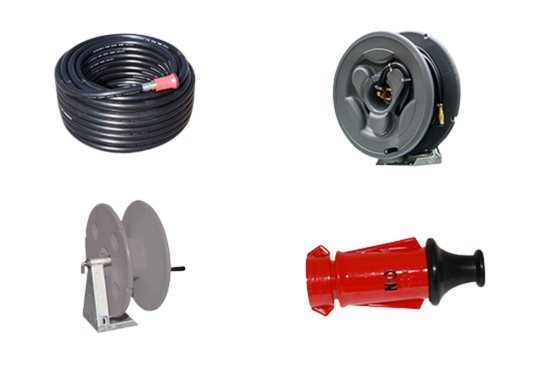
Hoses long enough to reach around all structures
-
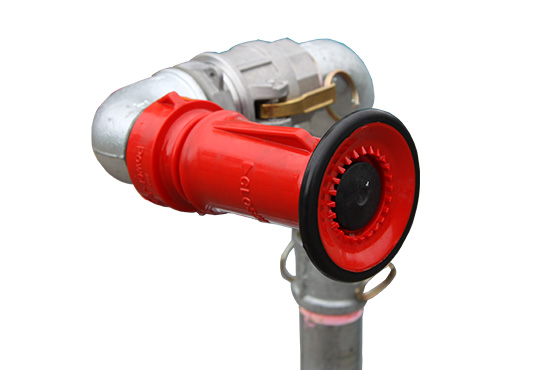
High-quality nozzles that can switch between jet and spray
-
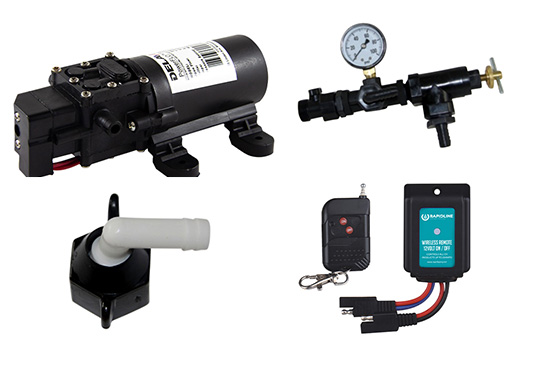
A reliable fire pump to ensure strong water pressure
Rapid Spray Fire-Fighting Equipment Suggestions
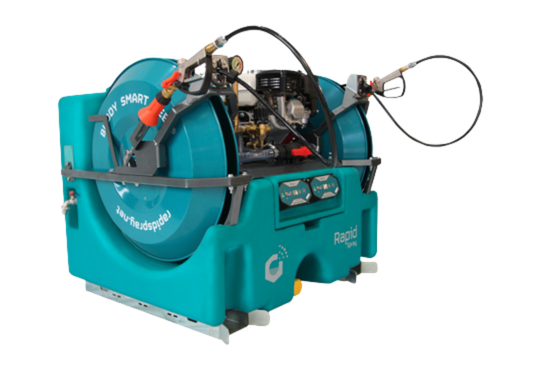
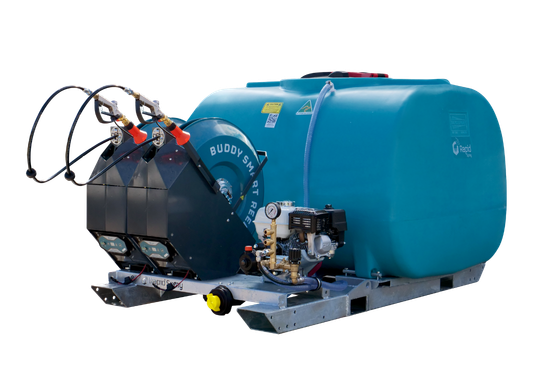
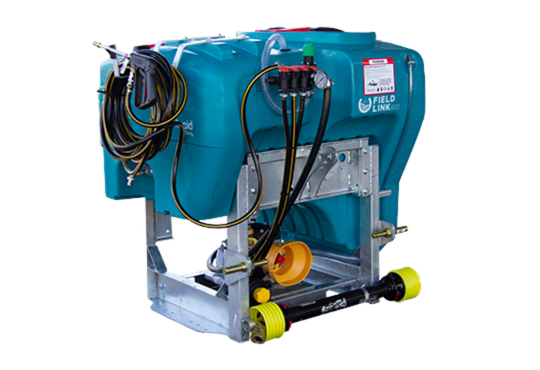
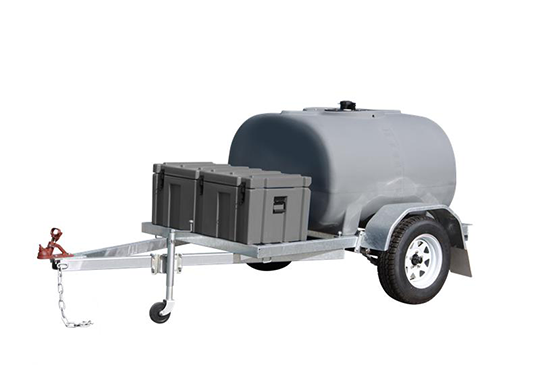
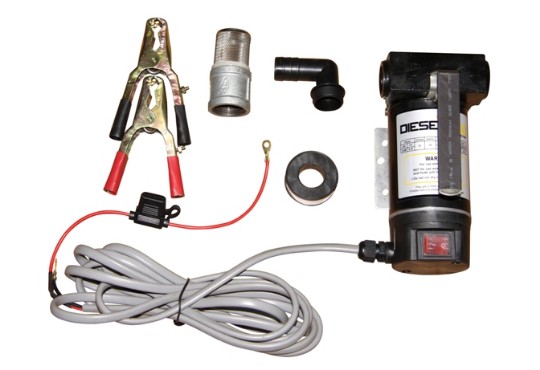
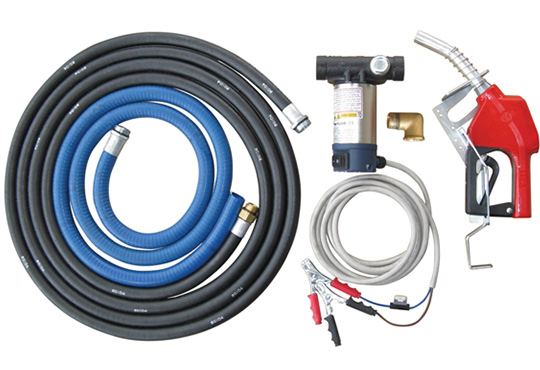
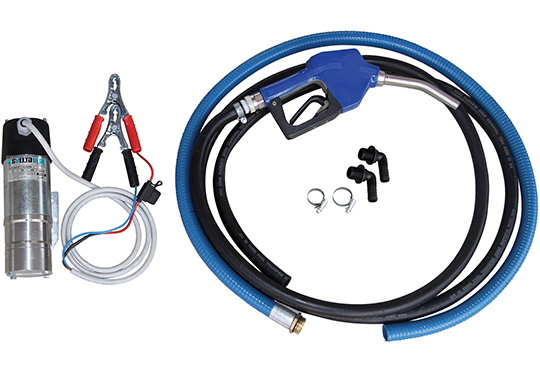
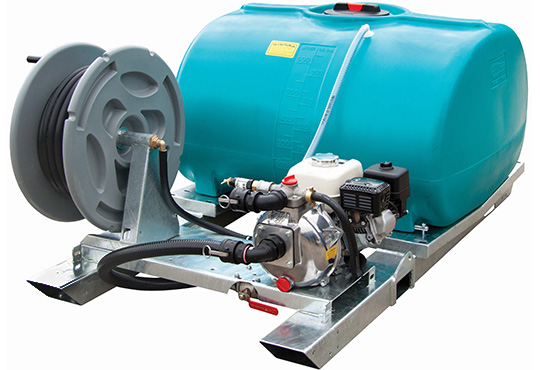
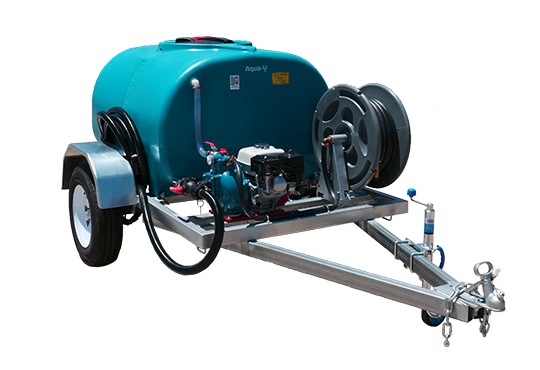
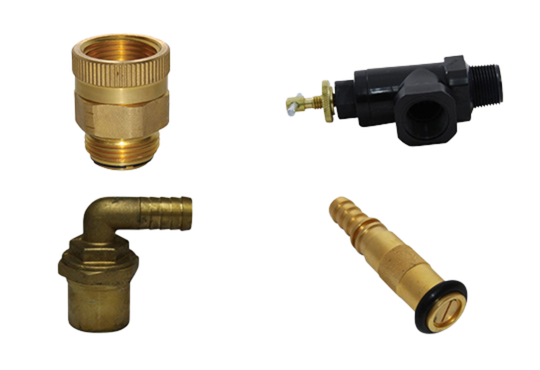
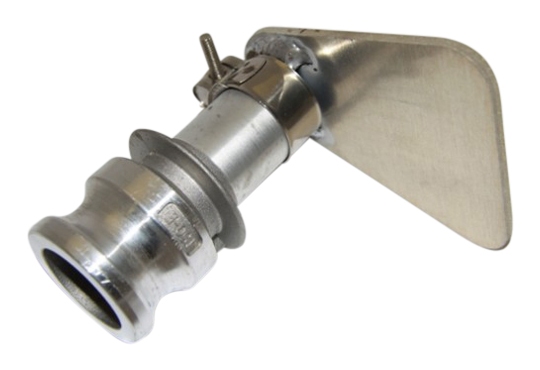
Your Rapid Spray product range fits perfectly into this part of the checklist. Suitable options include:
-
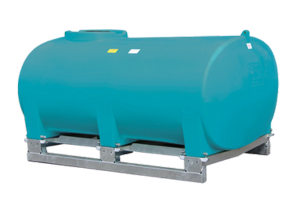
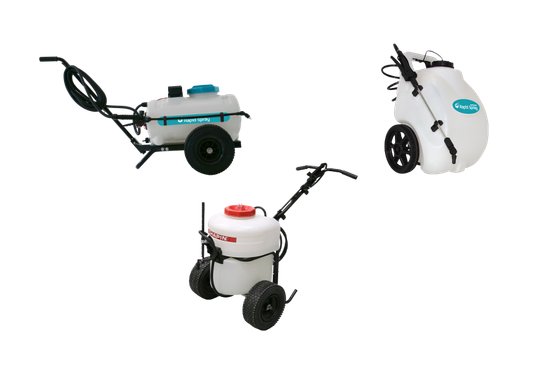
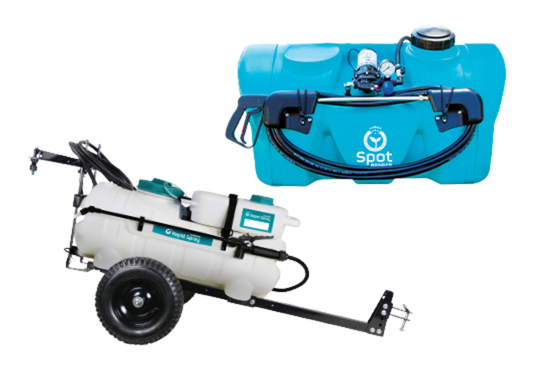
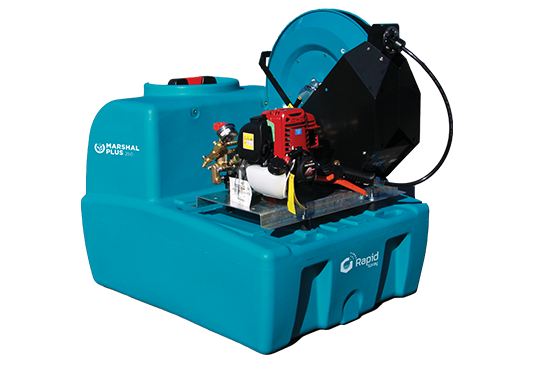
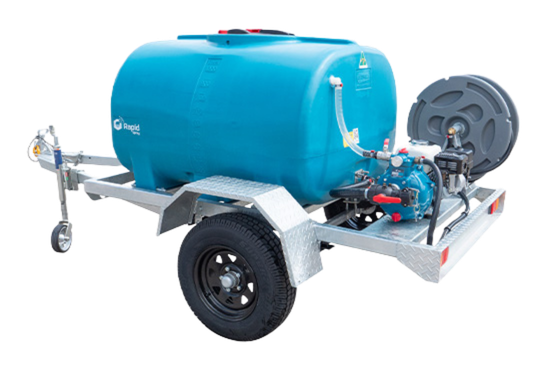
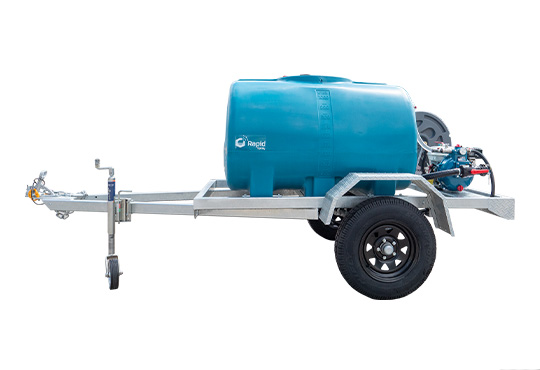
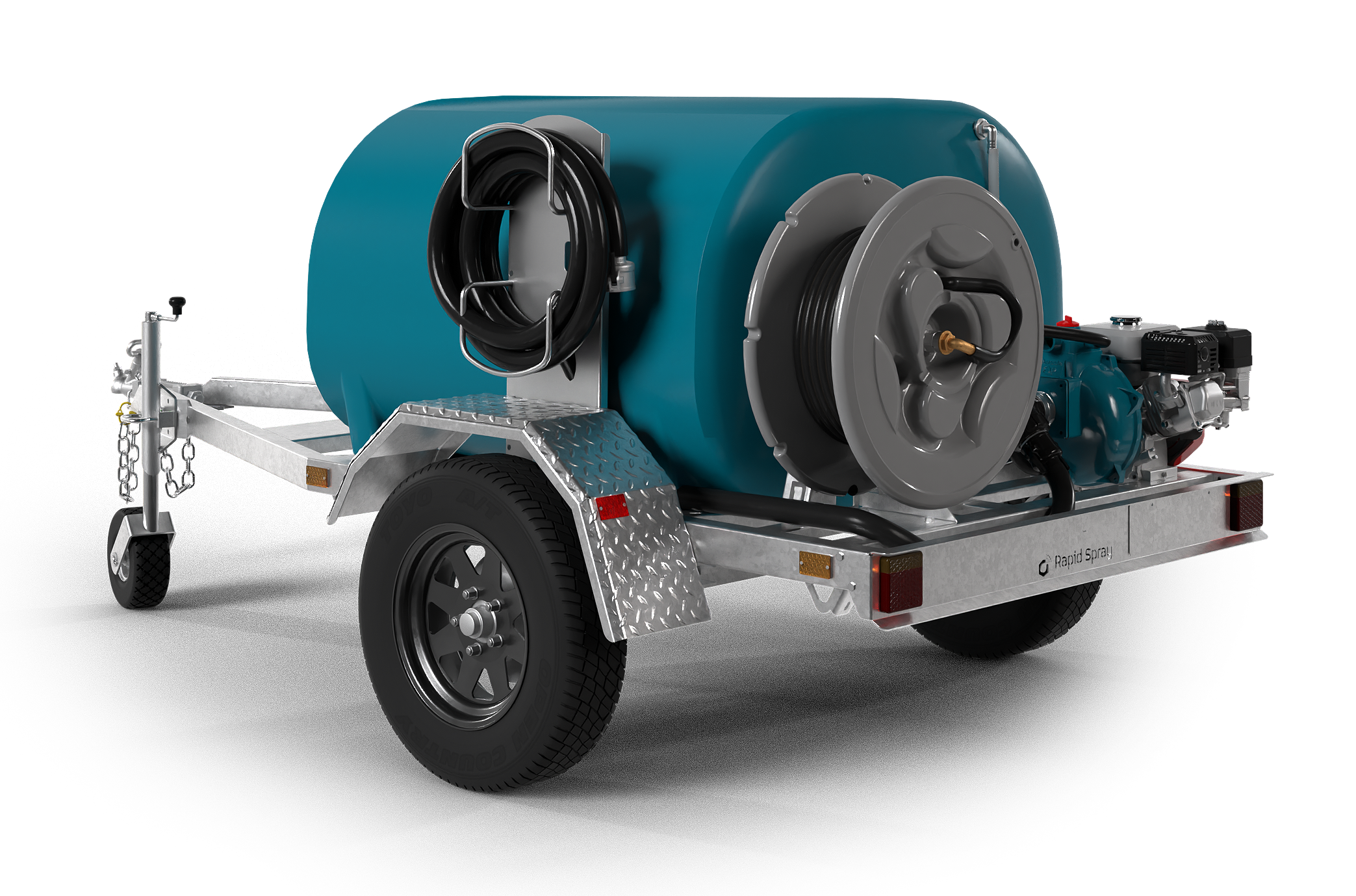
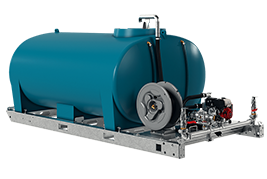
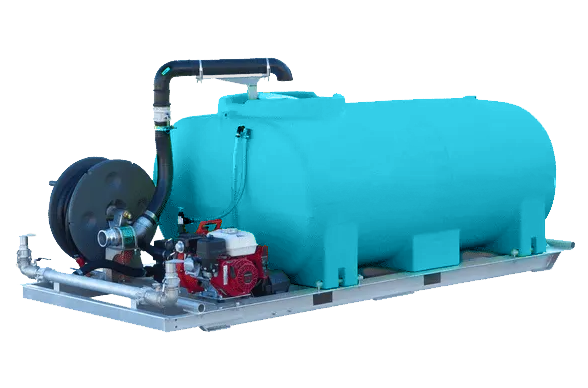
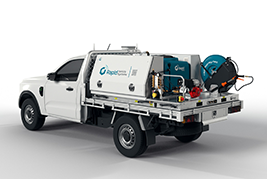
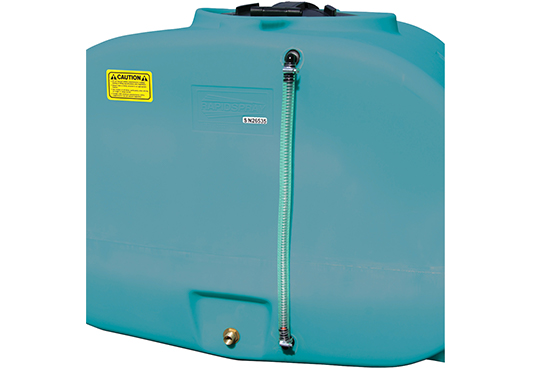
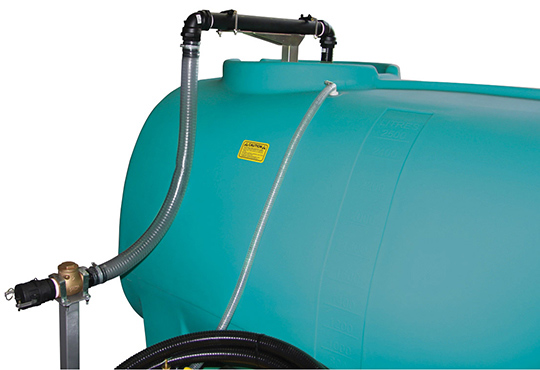
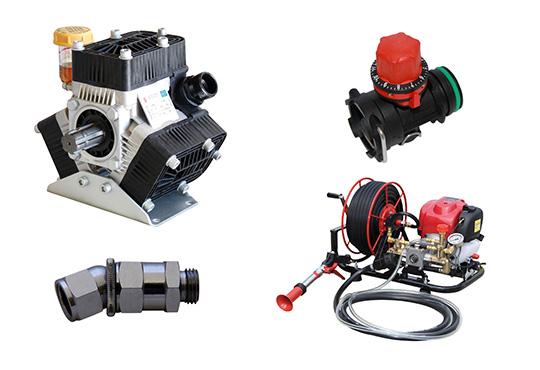
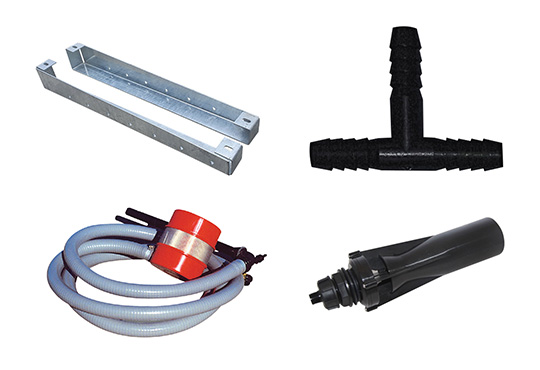
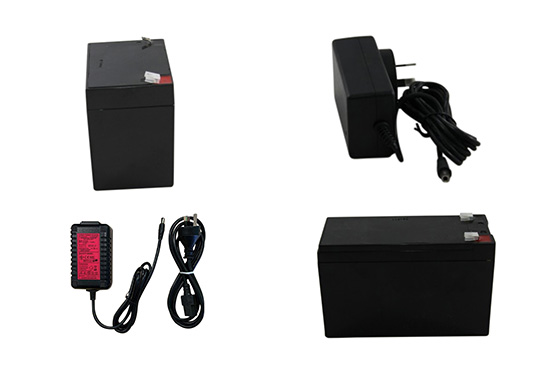
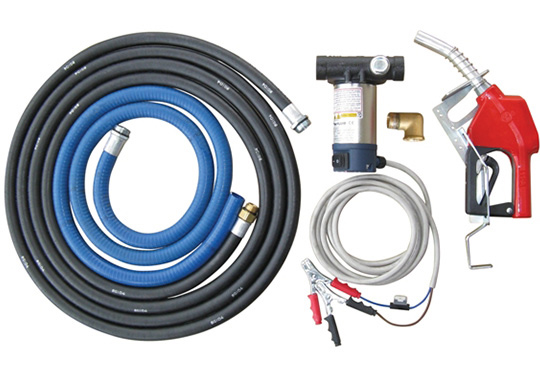
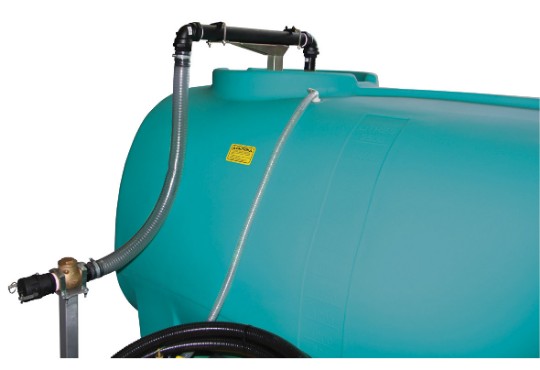
Portable Fire Fighting Units Skid-mounted or trailer-mounted systems ideal for agricultural blocks and acreage
-
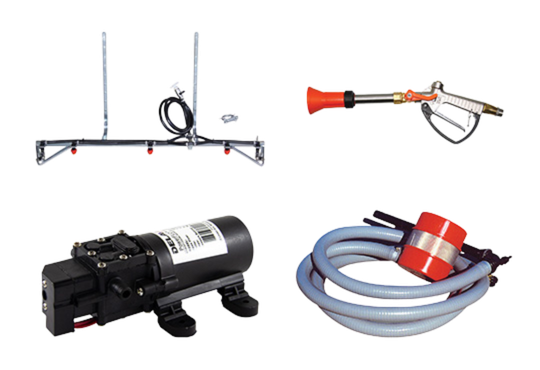
High-Pressure Fire Pumps Ensures strong water throw, essential in grassfire conditions
-
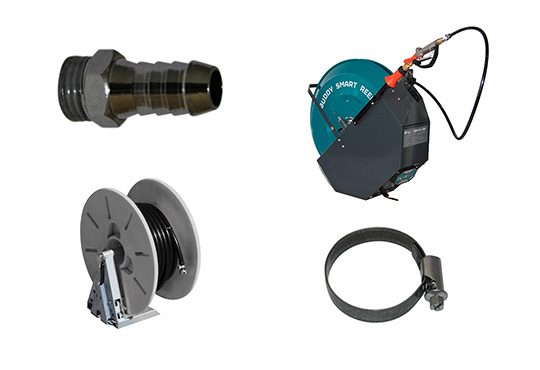
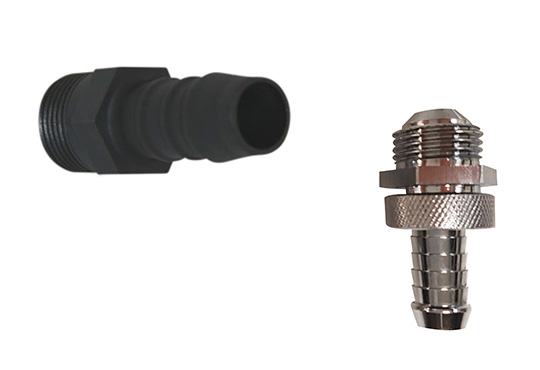
Lay-Flat or Suction Hoses Perfect for connecting portable pumps to tanks, dams or creeks
-
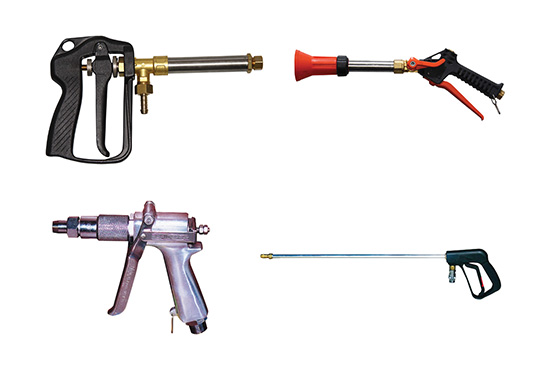
Fire Nozzles and Hose Reels Allow controlled water direction and flow
-
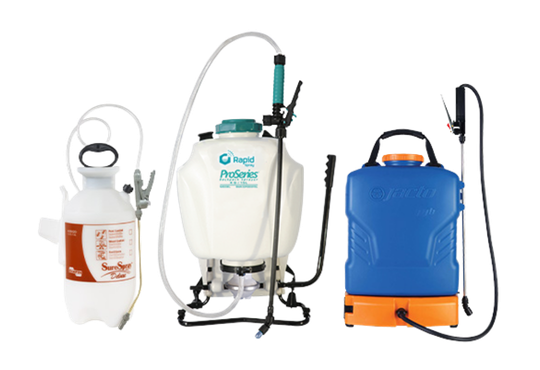
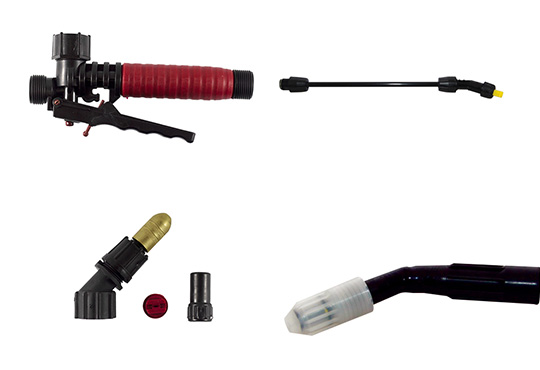
Knapsack Sprayers Excellent for spot fires or ember extinguishment around sheds and fence lines
These tools provide real, practical protection when a fire is nearby.
Step 4 – Create Defendable Space Around All Buildings
A “defendable space” is an area around buildings where vegetation and flammable materials have been strategically reduced. The aim is to slow the spread of fire and reduce heat intensity.
How to Create a Defendable Space
-
Keep shrubs and garden beds away from house walls
-
Trim trees so their lower branches are at least 1–2 metres above the ground
-
Ensure a clear area around water tanks, sheds and pump systems
-
Use gravel, paved areas or short grass as natural firebreaks
-
Keep fencing and gates in working order for accessibility
Firefighters often rely on these spaces during property protection.
Step 5 – Build Your Bushfire Survival Kit
Every household should have an emergency kit packed and accessible. In a crisis, you may have only minutes to leave.
A proper kit should include:
Essentials to Pack
-
Battery-powered radio
-
Torch and spare batteries
-
First-aid kit
-
Woollen blankets
-
Bottled water
-
Non-perishable food
-
Phone power banks
-
Medications and prescriptions
-
Important documents (hard copy + USB backup)
-
Protective clothing: cotton/wool pants, long-sleeved shirts, gloves, boots
-
Masks (P2 recommended)
-
Supplies for pets
Store the kit near the main exit and rehearse grabbing it quickly.
Step 6 – Create a Bushfire Action Plan (Stay or Leave Early)
A bushfire survival plan is critical and should be made well before fire season begins.
Your plan should outline:
Decide in Advance
-
At what fire danger rating will you leave?
-
Who is responsible for gathering pets?
-
Who collects documents and emergency kits?
-
Which route will you take if leaving early?
-
What is your backup route if the main road is inaccessible?
If You Choose to Stay and Defend
-
Ensure you understand the risks
-
Practice using your firefighting equipment
-
Maintain access to water and pumps
-
Wear full protective clothing
-
Make sure everyone understands safety signals
A well-practised plan can save lives.
Step 7 – Regularly Maintain All Fire-Fighting Equipment
Fire season can last months, and equipment that isn’t maintained may fail when needed most.
Maintenance checklist:
Inspect Regularly
-
Test your fire pump every few months
-
Check hose couplings, seals and spray patterns
-
Ensure your tank has sufficient water
-
Confirm all nozzles operate in both jet and spray modes
-
Inspect knapsack sprayers for leaks
-
Keep spare gaskets and hose clamps on hand
Reliable equipment gives you confidence when preparing your property.
Summary: Your Bushfire-Ready Property Checklist
A quick summary of what every NSW/QLD landowner should do:
-
Reduce fuel loads by clearing debris and trimming vegetation
-
Protect your home’s structure by sealing gaps and cleaning gutters
-
Ensure water supply and access tanks, pumps, hoses, nozzles
-
Create defendable spaces around all buildings
-
Build and store a full emergency survival kit
-
Develop a clear action plan for leaving early or defending
-
Maintain all equipment throughout the season
Final Thoughts – Preparation Saves Lives
Bushfire preparation is not about fear it’s about readiness. A well-maintained property equipped with the right tools, the right equipment, and a solid action plan gives you the best possible chance of protecting what matters most.
By preparing early, staying informed, and investing in appropriate firefighting equipment (like the units, tanks, pumps and hoses available at Rapid Spray), you dramatically improve your resilience in the face of fire.