





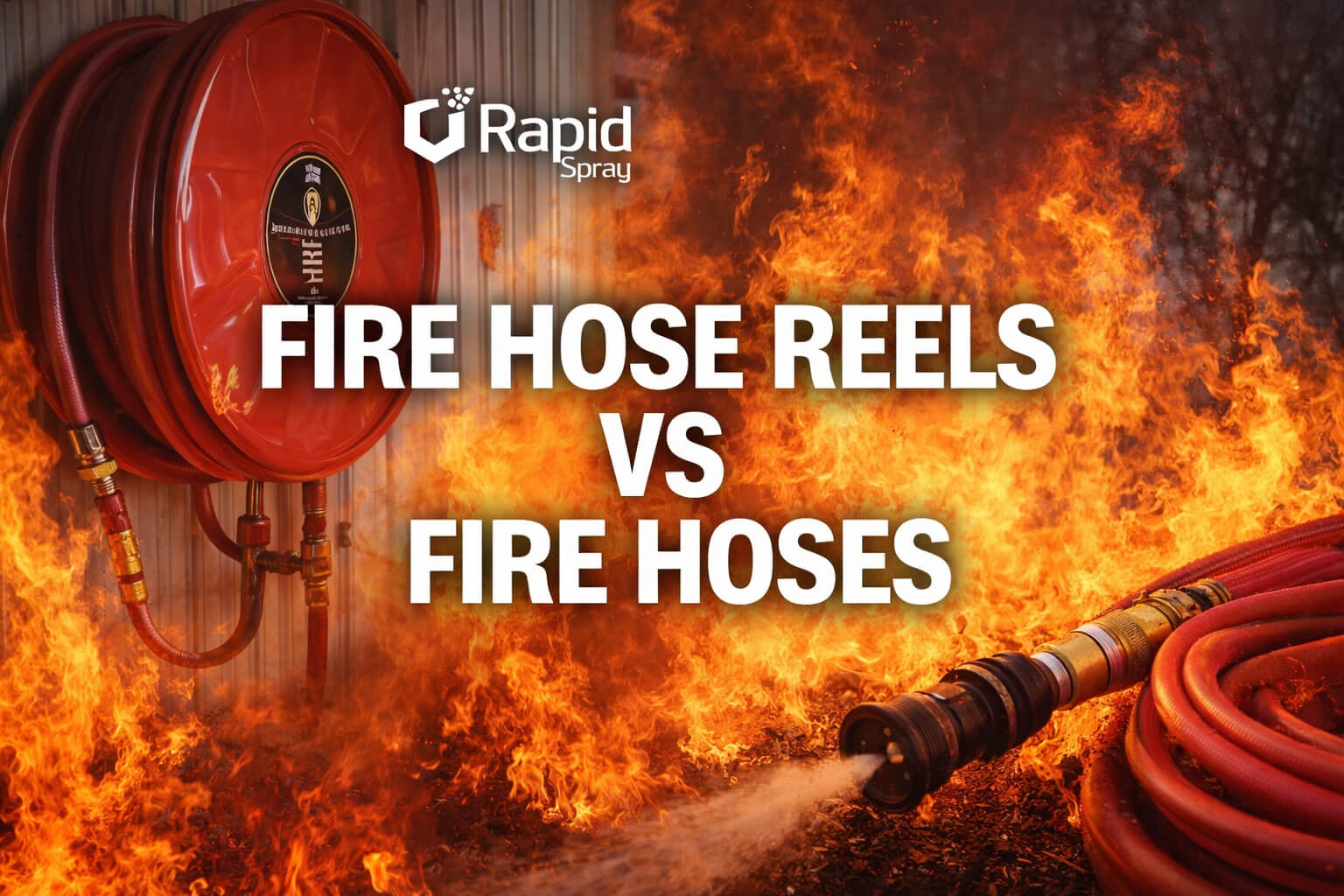
Fire safety is a critical responsibility for every Australian property owner whether you manage a commercial building, operate a farm, or simply want to protect your home during bushfire season. Two of the most common pieces of firefighting equipment are fire hose reels and fire hoses, and while they might look similar, they are designed for completely different roles.
Choosing the right one can determine how effectively you respond to a fire in its early stages. The wrong choice can leave you underprepared in situations where every second counts. This guide explains the differences in detail, how each system works, and which option is best suited for your property.
Understanding Fire Hose Reels
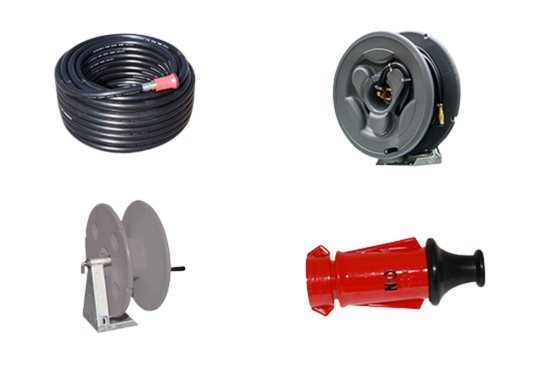
A fire hose reel is a fixed firefighting system designed to give occupants immediate access to water when a fire breaks out. You’ll typically see them mounted on walls inside buildings, in factories, in workshops, or attached to the exterior of commercial structures where compliance requires them.
What makes fire hose reels particularly effective for first response is that they are permanently connected to a reliable water source. As soon as the valve is opened, water begins flowing through the hose, and the user can begin directing water at the fire. Because they rely on mains water pressure, they provide a continuous stream without the need for pumps, priming, or specialised training.
Fire hose reels are most commonly used on Class A fires fires involving wood, textiles, cardboard, plastics and other everyday combustibles. These are the types of fires that occur most frequently inside homes or workplaces. The hose is usually 19mm in diameter and up to 36 metres in length, giving the user enough coverage to move through a building while still controlling the water flow through the nozzle.
One of the biggest advantages of hose reels is simplicity. Even someone with no firefighting experience can operate one effectively, which is exactly why building codes require them in many commercial settings.
Understanding Fire Hoses
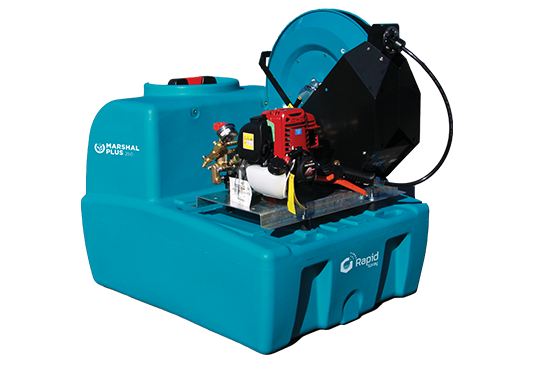
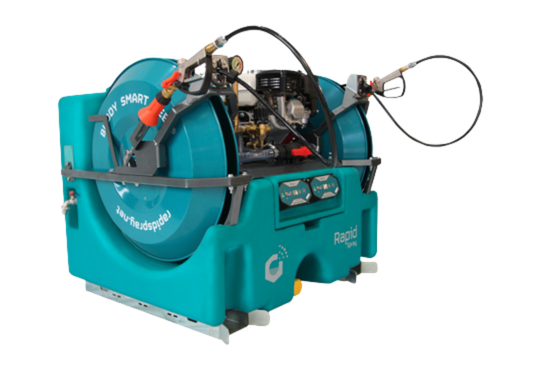
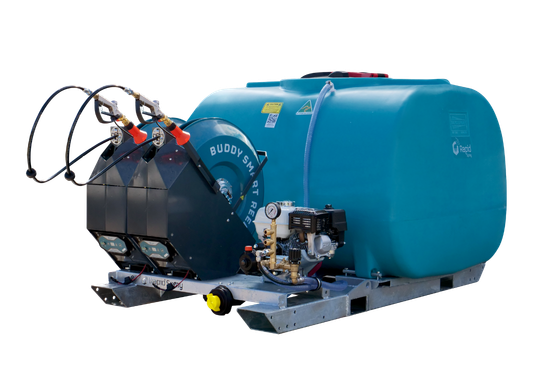
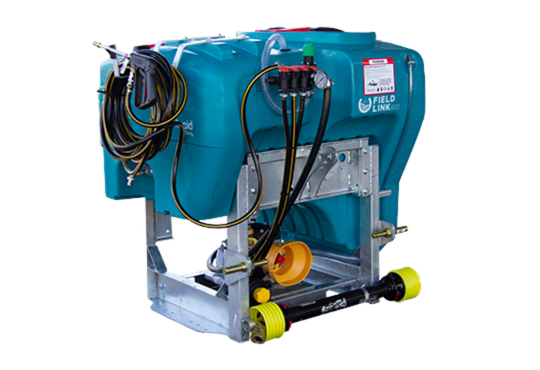
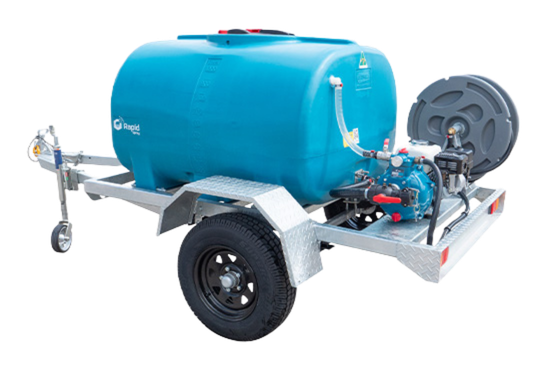
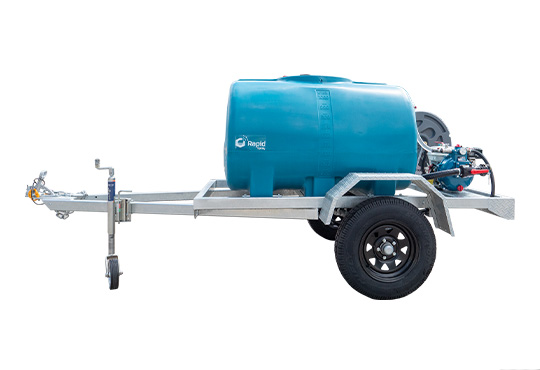
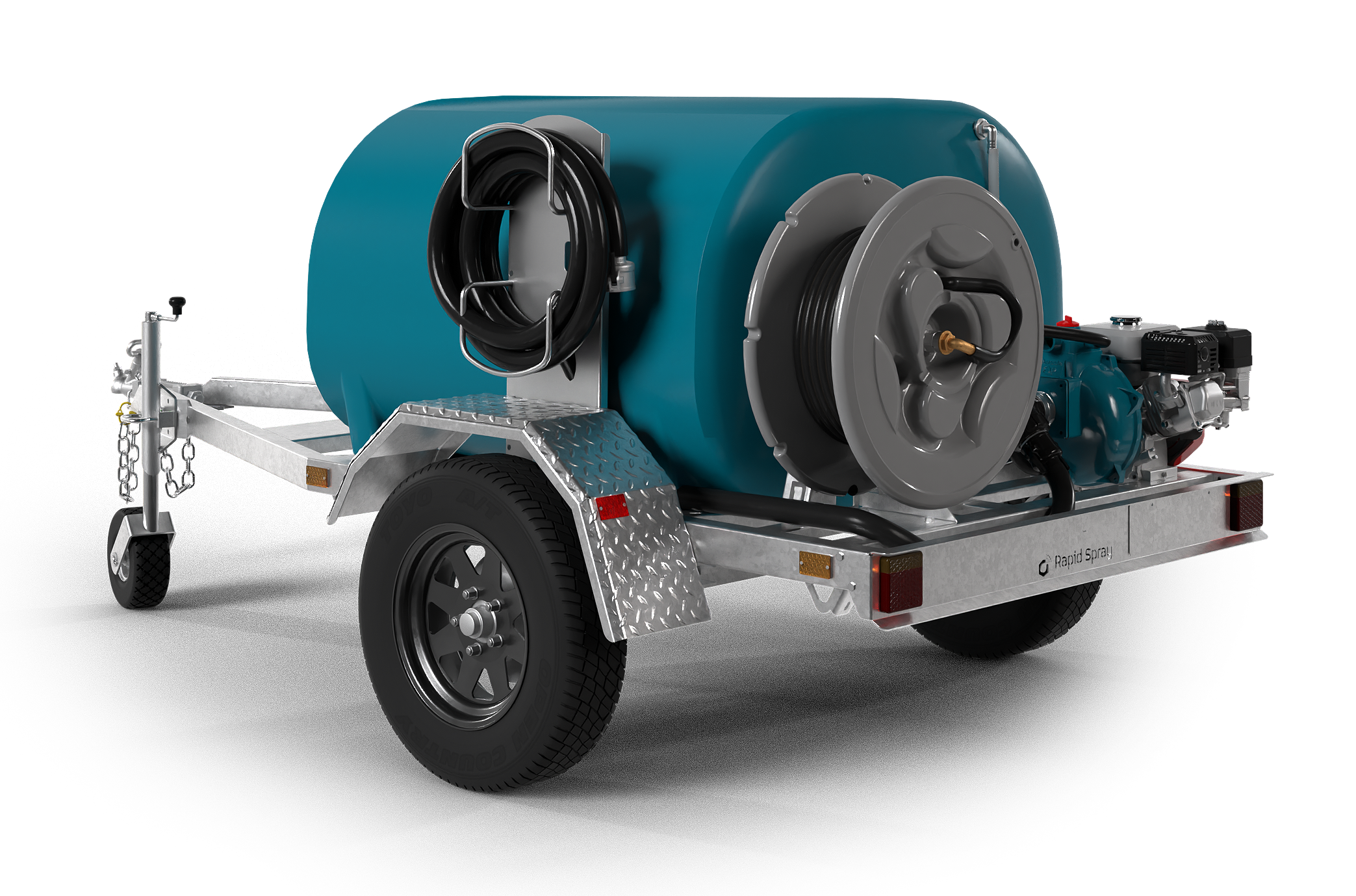
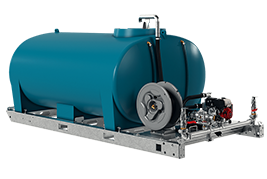
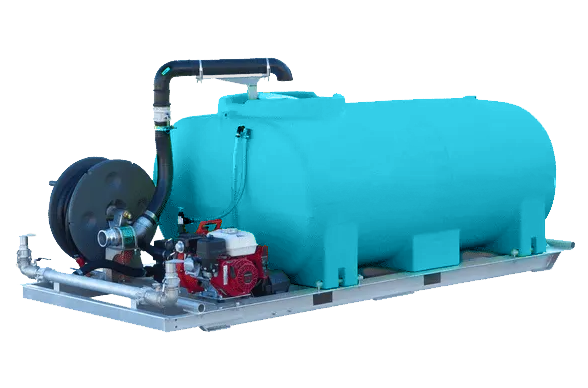
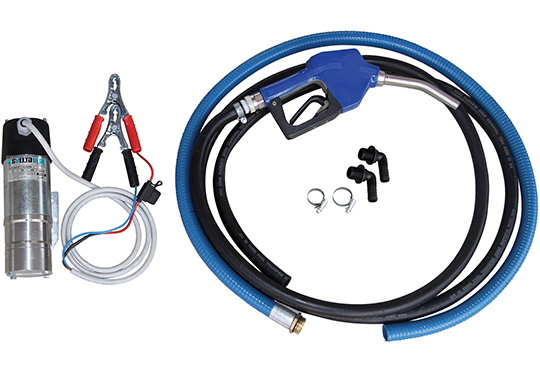
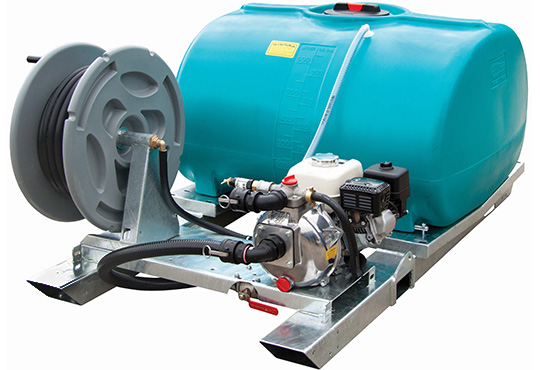
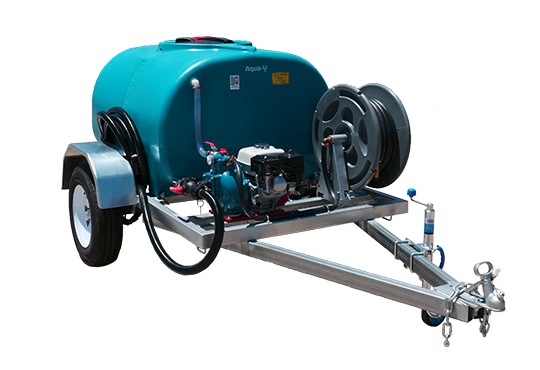
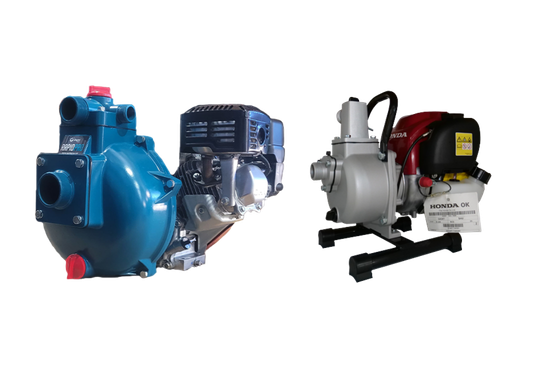
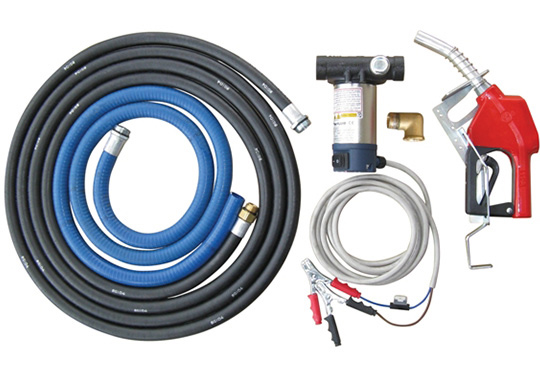
Fire hoses are designed for a completely different purpose. Instead of being fixed to a wall and connected to mains water, a fire hose is a portable, heavy-duty hose used in conjunction with a fire pump, hydrant, tanker, skid unit or fire truck. They can deliver much higher pressure, significantly more water volume, and greater throw distance than a hose reel.
This makes them suitable for medium to large fire events, especially in outdoor and rural environments where fires can spread quickly and where pressure from mains water may be insufficient or unavailable.
Fire hoses come in multiple types depending on the scenario.
For example:
• Lay-flat hoses fold easily and deploy rapidly during a bushfire.
• Canvas or rubberised hoses are durable options used by rural fire brigades.
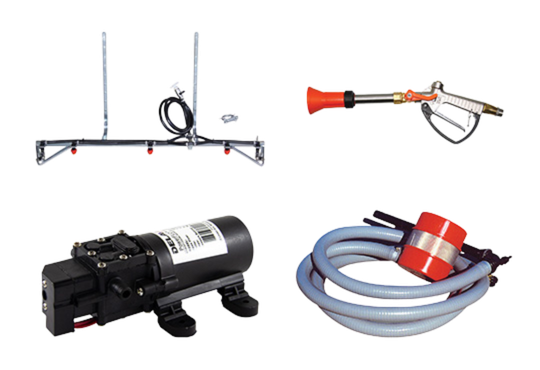
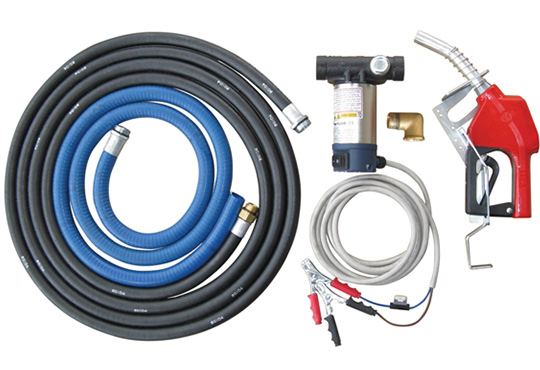
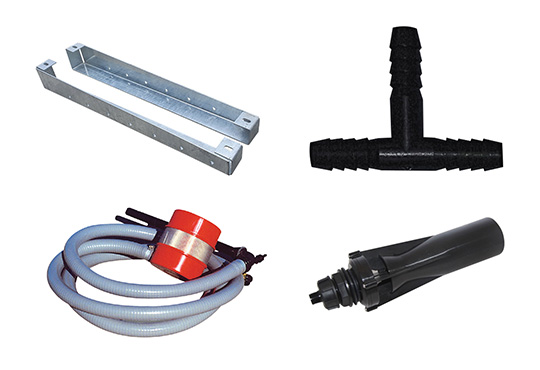
• Suction hoses are used to draw water from tanks, dams or rivers.
• Delivery hoses carry pressurised water out to the nozzle.
Because they can be used with pumps, fire hoses offer a level of versatility and power that hose reels cannot match. Rural property owners, farmers, machinery operators and industrial sites rely heavily on fire hoses as part of their fire defence strategy.
Performance Differences That Matter in an Emergency
Although both systems deliver water, the difference in real-world performance is significant. A hose reel is ideal for small fires, particularly those in their early stages. The pressure is moderate, the water is instantly available, and the system is designed for quick deployment by untrained users.
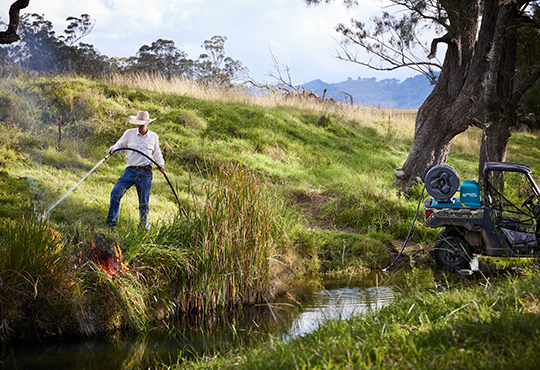
A fire hose, however, is designed to deliver serious firefighting capability. When paired with a high-pressure pump, a fire hose can deliver water over long distances, project powerful streams capable of penetrating deep into flames, and cover large outdoor areas. This makes them essential for fighting grassfires, machinery fires, structural fires, workshop fires and other high-risk scenarios.
In high-wind conditions or during a bushfire, the ability to deliver high-volume water under pressure becomes critical. Hose reels simply cannot achieve the throw distance or pressure required to control fires spreading across paddocks or vegetation.
Mobility vs Fixed Installations
Another major difference is mobility.
A fire hose reel is fixed to a single location. It is designed for indoor use or enclosed spaces where the fire is confined.
A fire hose, however, moves to wherever the fire is. This mobility is crucial in rural and industrial environments where fire often begins outside or spreads across wide areas.
For example:
• A machinery fire in a paddock cannot be reached by a hose reel.
• A spot fire caused by embers landing on dry grass requires a high-pressure hose, not a fixed wall unit.
• Water tanks and pumps often sit far from buildings, making portable hoses essential.
Mobility is a major reason why hose reels, although useful, are insufficient for rural properties on their own.
Safety Considerations and Fire Types
Hose reels are intended for Class A fires only. Using them on electrical fires or flammable liquids can be dangerous and potentially fatal. This is why workplaces still require extinguishers even if hose reels are present.
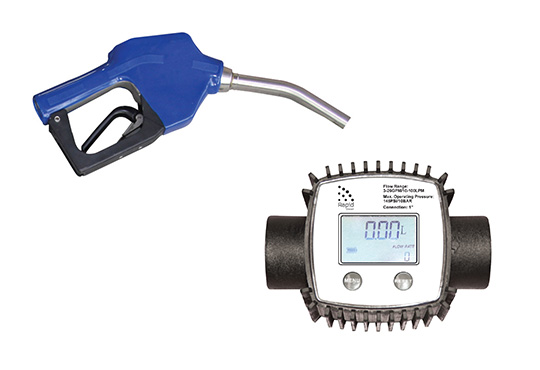
Fire hoses, however, can be paired with specialised nozzles that make them suitable for a wider range of fires.
For example:
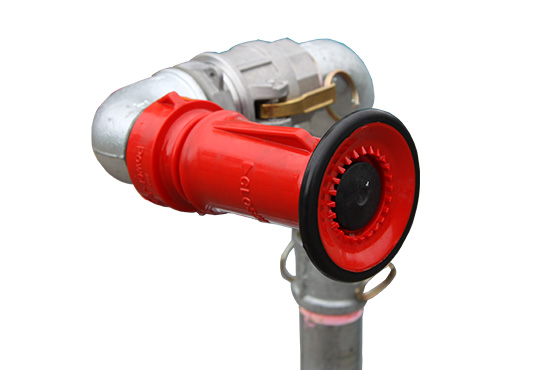
• Straight jet nozzles for distance and penetration
• Fog nozzles for cooling and vapour suppression
• Adjustable nozzles for mixed fire types
This adaptability is one reason fire hoses are the primary tool for rural firefighters and industrial operators.
Cost, Maintenance and Compliance Factors
Fire hose reels require regular inspection under Australian Standards, particularly AS1221 and AS2441. Businesses often include these checks in their annual fire safety compliance schedule. Although maintenance costs are low, compliance is mandatory.
Fire hoses vary more widely in their maintenance requirements depending on the model, material, and whether they are part of a larger firefighting unit. Rural and outdoor hoses must be checked for UV degradation, coupling wear, pump compatibility, and potential blockages. Although they require more attention than fixed reels, they offer significantly more fire protection capability.
It’s also worth noting that insurance providers may assess fire preparedness differently based on your equipment. Properties in bushfire-prone areas generally need more than a hose reel to be considered “adequately prepared”.
Which System Is Right for Your Property?
The answer depends entirely on your location and fire risk.
H3: Fire Hose Reels Are Best For:
• Commercial buildings
• Workshops
• Warehouses
• Schools and public buildings
• Factories
• Small internal fires
• Compliance requirements
H3: Fire Hoses Are Best For:
• Farms and rural properties
• Bushfire-prone areas
• Industrial sites
• Earthmoving yards
• Machinery sheds
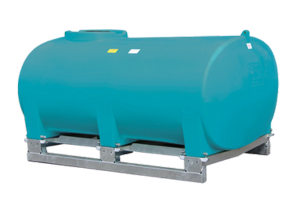
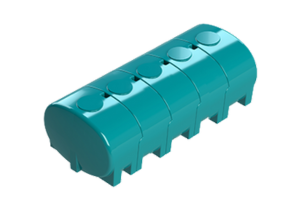
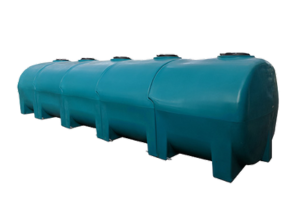
• Properties with water tanks
• Anyone relying on portable firefighting pumps
If you live on a rural property, a fire hose reel alone is not enough. You need high-pressure hose capability, pumps, tanks and the mobility that modern firefighting units provide.
Final Verdict: Why Most Properties Need Both
While fire hose reels offer simplicity and compliance, they simply cannot match the power, range and mobility of fire hoses. For commercial buildings and indoor environments, hose reels are essential. But for anyone facing bushfires, grassfires or outdoor fire risks, fire hoses paired with pumps are non-negotiable.
In many cases, the best fire protection strategy is a combination approach:
• Hose reels for first-response, indoor use
• Fire hoses for serious outdoor fire defence
Understanding the difference today could prevent disaster tomorrow.