





RESTORING LAND.
REBUILDING THE FUTURE.
Mine revegetation is essential for restoring disturbed landscapes, managing environmental risks and supporting sustainable post-mining land use.
WHY MINE REVEGETATION MATTERS
Mining plays an important role in economic development, employment and resource supply. However, mining activities can also cause land degradation, soil erosion, water pollution and biodiversity loss.
Mine revegetation involves establishing suitable vegetation on disturbed mining land to support rehabilitation objectives. Depending on the site, this may include restoring native plant communities, stabilising soil, improving ecosystem function and supporting an approved post-mining land use.
Reduce Soil Erosion
Establish vegetation that helps protect exposed soil surfaces.
Support Biodiversity
Rebuild appropriate habitat and native plant communities.
Restore Land Function
Support suitable future land use and rehabilitation outcomes.
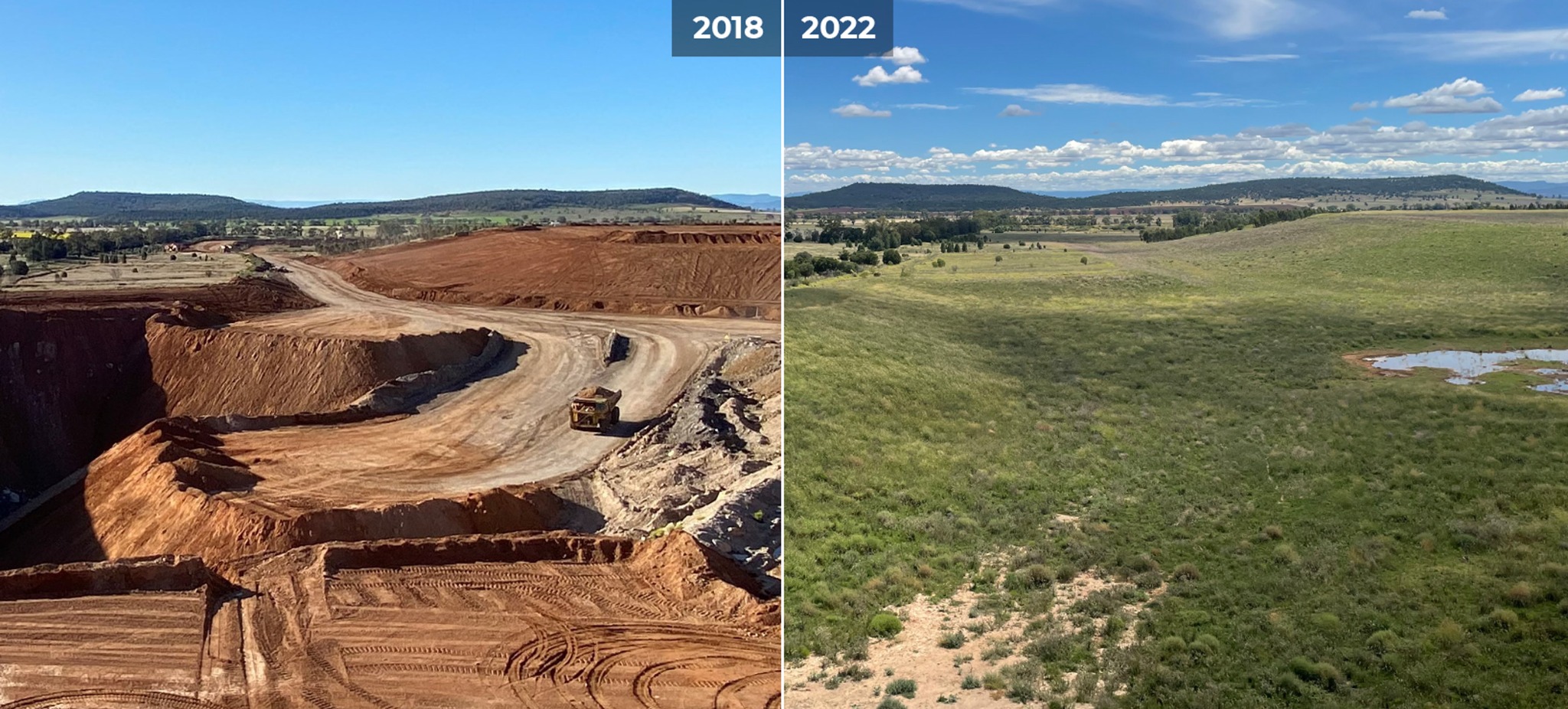
FROM DISTURBED LAND TO VEGETATION COVER
Mine rehabilitation aims to transform disturbed landscapes into stable, functional environments that meet site-specific rehabilitation objectives.
WHAT MAKES MINE REVEGETATION DIFFICULT?
Successful rehabilitation requires more than planting vegetation. Soil conditions, species selection, establishment techniques, weeds and ongoing monitoring all influence the final outcome.
Soil Quality
Mining may remove or alter topsoil, leaving compacted, acidic, saline or contaminated material. Solution: Assess soil conditions and implement appropriate soil preparation and amendment programs.
Plant Selection
Poor species selection can reduce establishment and long-term survival. Solution: Choose native or site-appropriate species suited to local conditions and approved land-use objectives.
Revegetation Methods
Different sites require different establishment approaches. Solution: Assess direct seeding, planting, hydroseeding, hydromulching and other techniques against site-specific conditions.
Weed & Pest Control
Invasive species can compete with establishing vegetation. Solution: Use an integrated management program combining prevention, monitoring and appropriate control methods.
Monitoring & Evaluation
Rehabilitation performance can change over time as vegetation develops and environmental conditions fluctuate. Solution: Monitor survival, growth, diversity, erosion, vegetation function and relevant rehabilitation completion criteria. Involve stakeholders, including Traditional Custodians where appropriate.
RAPID SPRAY PRODUCTS FOR MINE SITE DUST SUPPRESSION
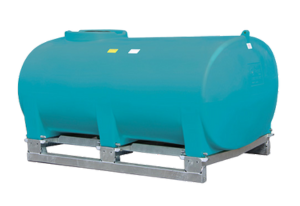
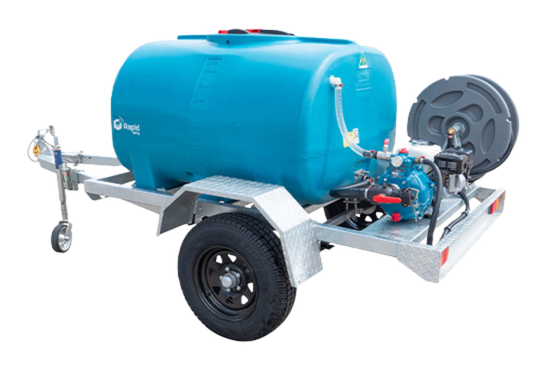
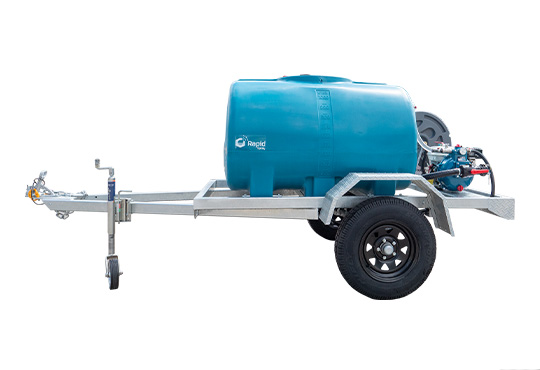
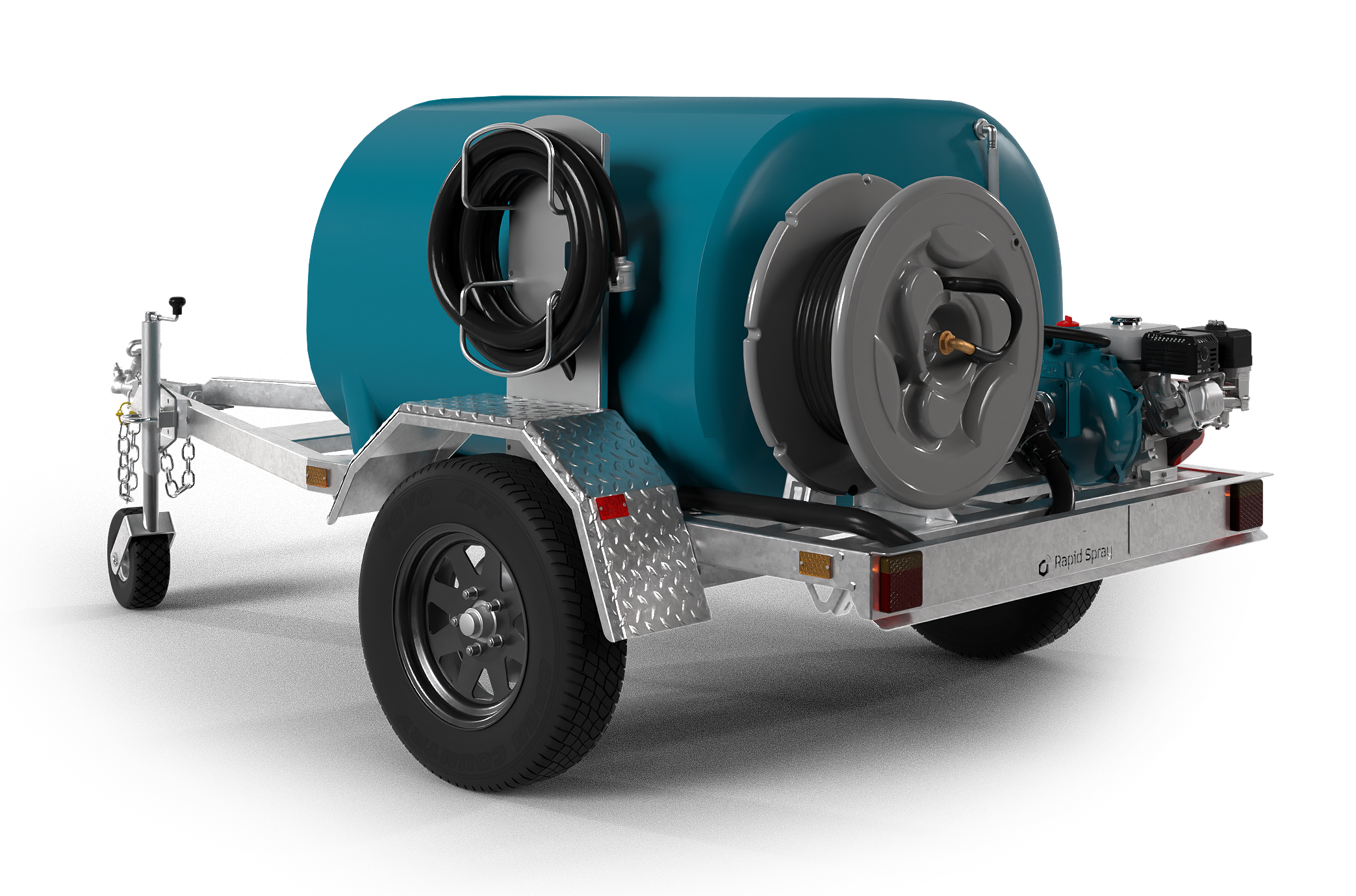
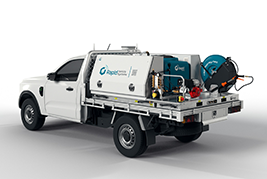
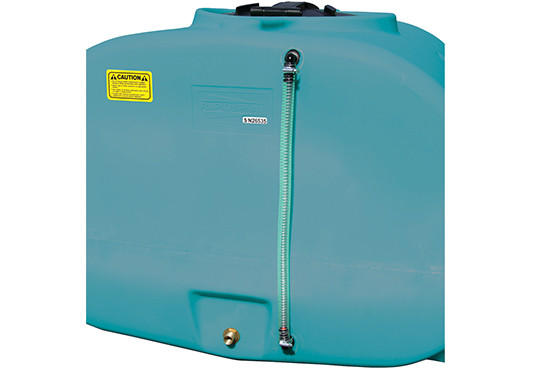
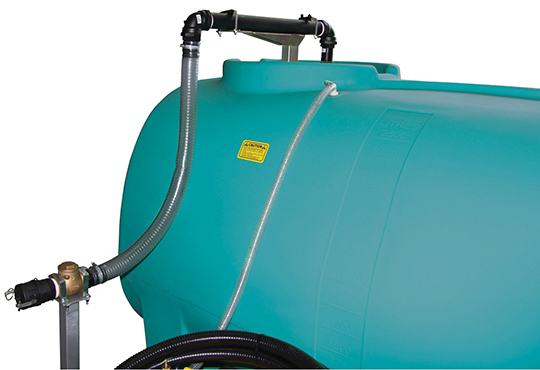
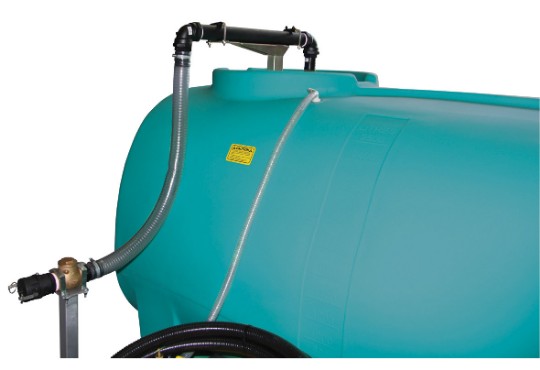
Controlling dust on haul roads, stockpiles and rehabilitation areas helps protect newly established vegetation, site safety and surrounding communities. Our Australian-made water cartage tanks and AquaMax slip-on water carts are built for the demands of mine sites.
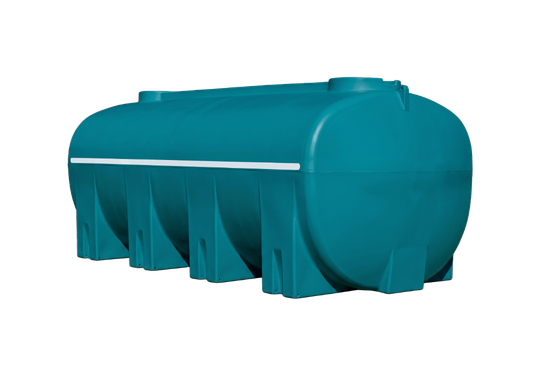
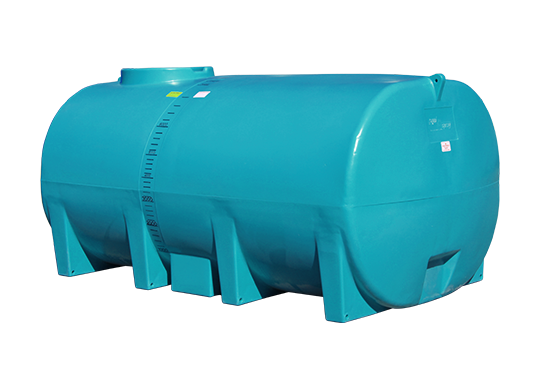
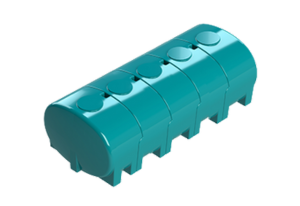
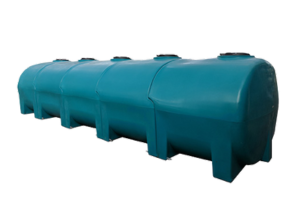
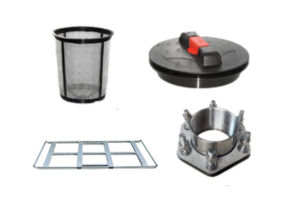
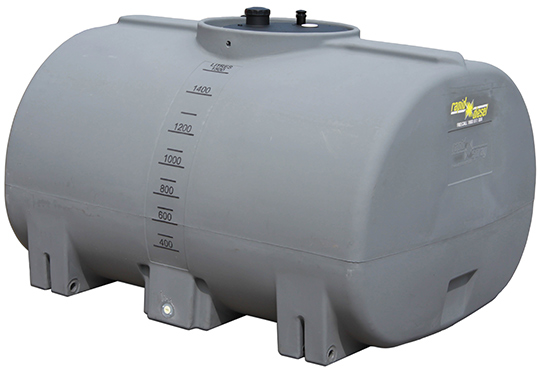
AquaTrans™ 18,000L Water Cartage Tank
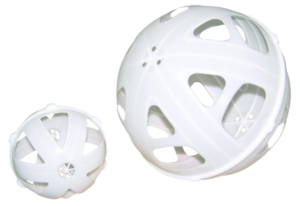
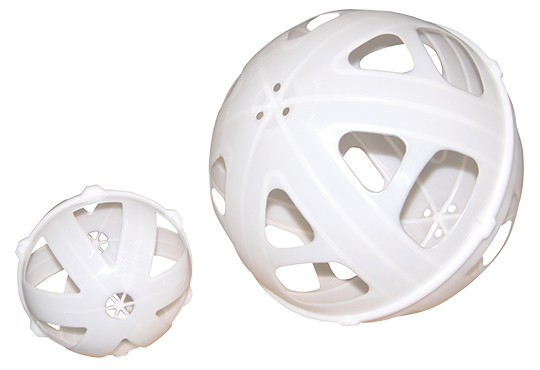
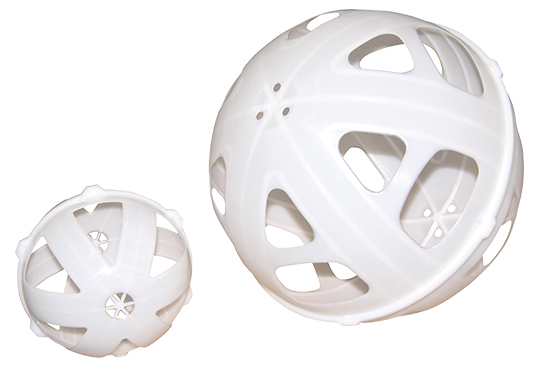
Built for high-volume water transport, the 18,000L tank keeps dust suppression running longer between refills on large haul roads and open areas. Made from UV-stabilised polyethylene, with a ball baffle option available on request.
View 18,000L Tank → 6000L CAPACITY
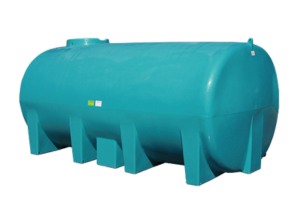
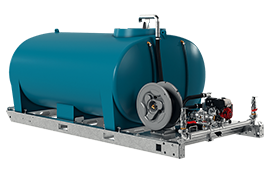
6000L AquaMax Slip On Water Cart
Our largest AquaMax slip-on unit for extended runs on haul roads and stockpile areas between refills.
View Product →
 5000L CAPACITY
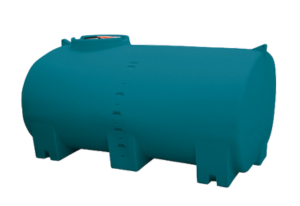
5000L AquaMax Slip On Water Cart
High-capacity slip-on water cart for regular dust suppression across larger work areas.
View Product →
 4400L CAPACITY
4400L AquaMax Slip On Water Cart
A balanced option for medium-duty trucks covering access tracks and laydown areas.
View Product →
 3000L CAPACITY
3000L AquaMax Slip On Water Cart
Versatile mid-size unit for targeted dust control and general site water cartage.
View Product →
 2500L CAPACITY
2500L AquaMax Slip On Water Cart
Compact slip-on unit suited to smaller trucks working around rehab areas and site roads.
View Product →
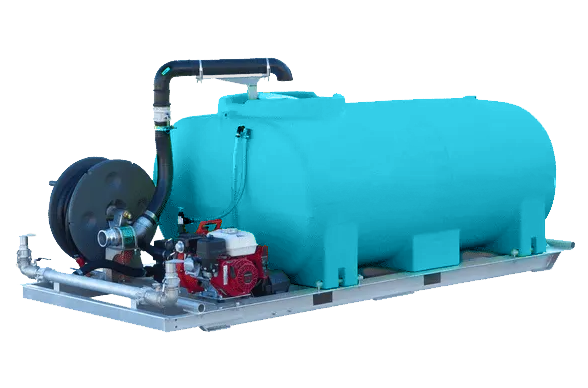 2000L CAPACITY
2000L AquaMax Slip On Water Cart
Our most compact AquaMax for light trucks, spot dust control and revegetation watering.
View Product →
OTHER PRACTICAL USES FOR WATER CARTAGE TANKS
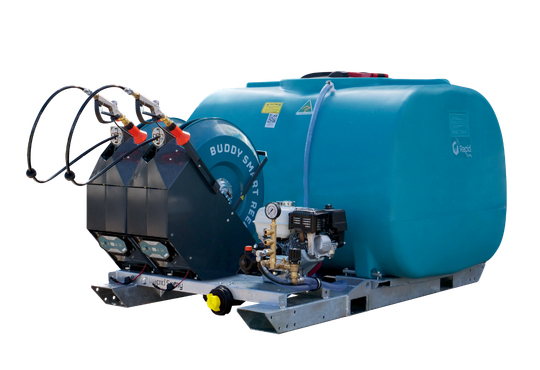
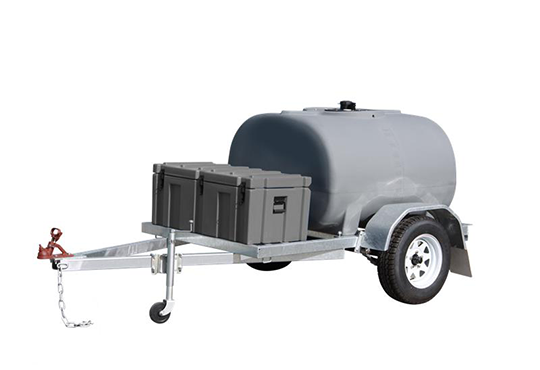
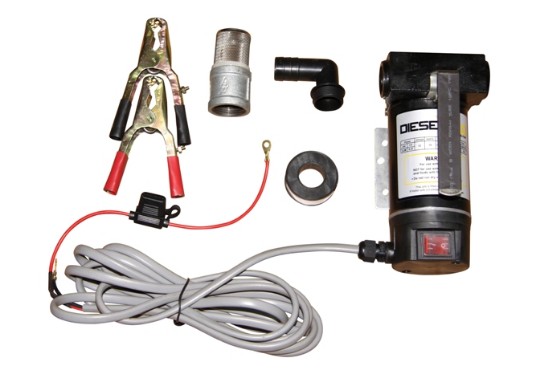
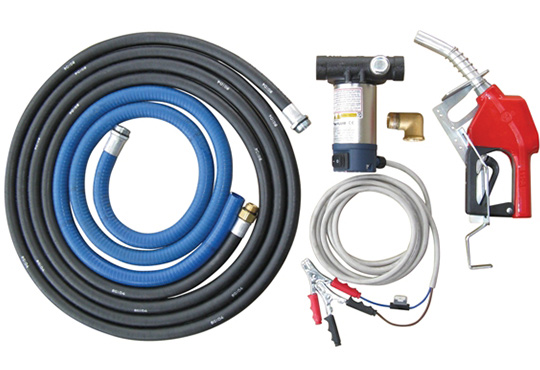
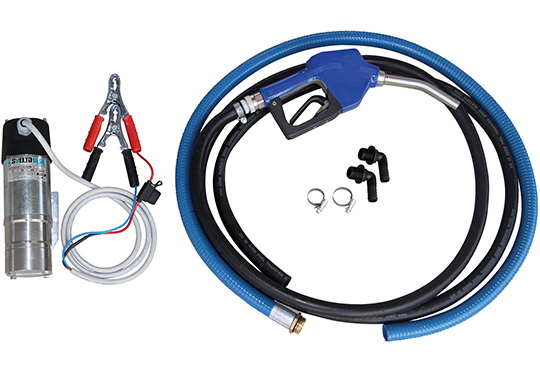
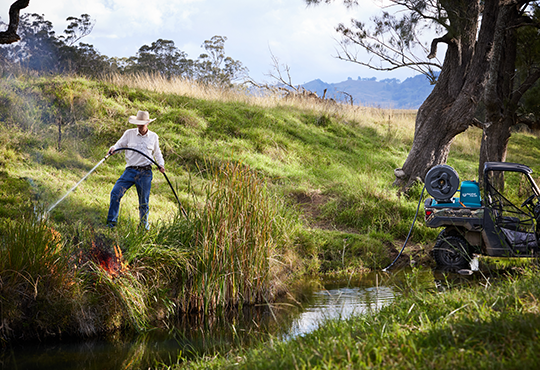
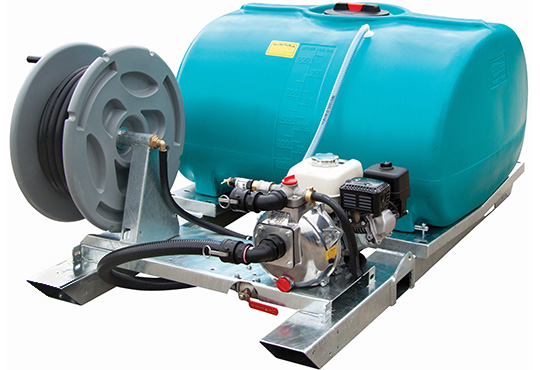
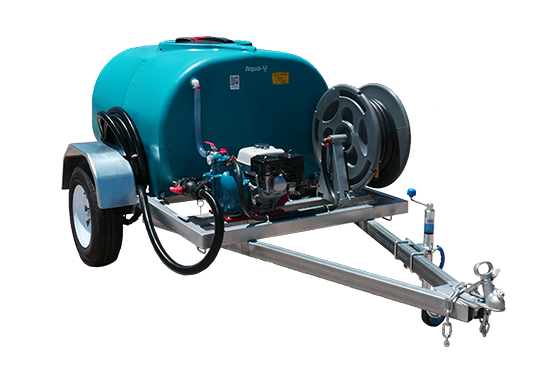
Beyond dust suppression, mobile water cartage tanks help mine operators, rehabilitation teams and contractors deliver water to areas without a fixed supply. From establishing vegetation to supporting spraying and washdown, the right tank, pump and hose setup can reduce travel time and keep essential site work moving.
Tree & Grass Watering
Newly planted trees, tubestock and grassed rehabilitation areas often need supplementary watering while roots establish, particularly during hot or dry weather. A mobile water cart can deliver water to remote planting zones, roadside vegetation and newly seeded areas where permanent irrigation is impractical. Paired with a suitable pump and hose, it supports targeted watering while helping crews avoid unnecessary trips to refill.
Water Source for Spraying
Weed management and site maintenance programs may involve spraying across large or hard-to-access areas. A water cartage tank can carry clean water to the work area for refilling boom sprayers and other spray units, reducing downtime between jobs. Check that the water quality is suitable for the product being applied and always follow chemical label and site requirements.
Equipment & Machinery Washdown
Trucks, earthmoving machinery, trailers and agricultural equipment can collect mud, dust and soil during site work. A mobile water supply, used with an appropriately rated pump or washdown system, helps crews clean equipment where plumbed water isn't available. Cleaning machinery before moving between work areas can also help limit the transfer of soil and weed seeds, supporting site biosecurity procedures.
SUPPORTING VEGETATION MANAGEMENT ON MINE SITES
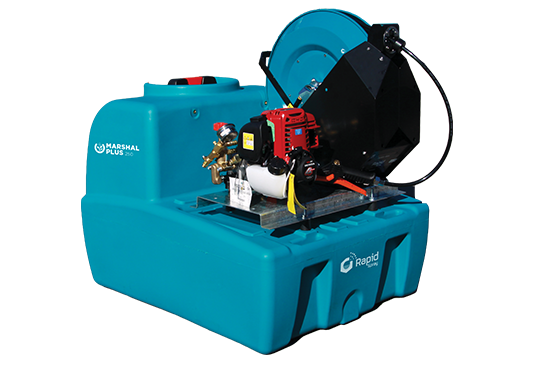
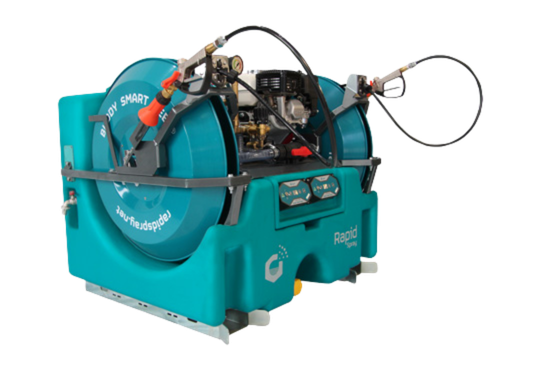
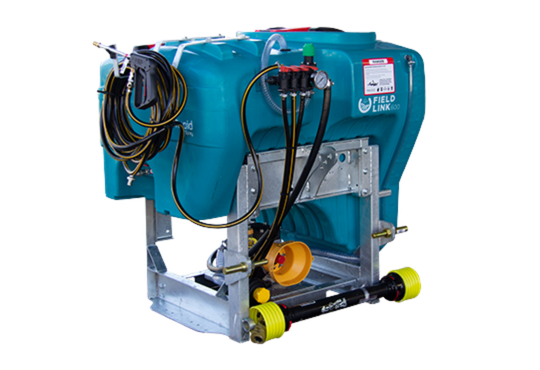
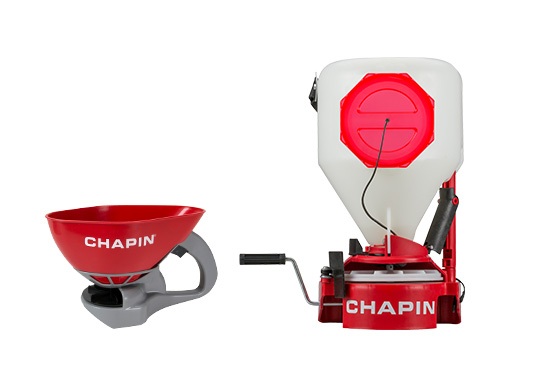
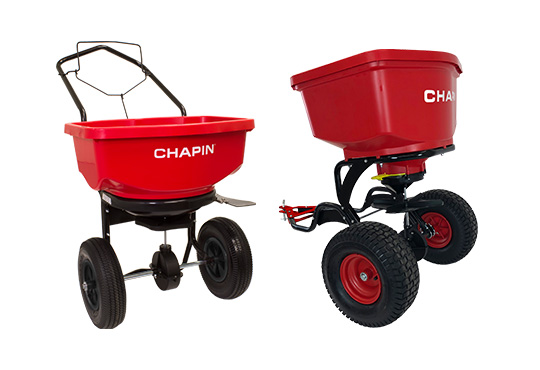
Mine revegetation programs may require equipment for weed control, water management and site maintenance. The right solution depends on the application, terrain and site requirements.
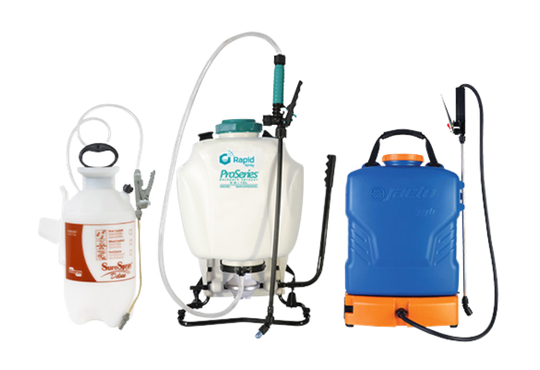
Weed Sprayers
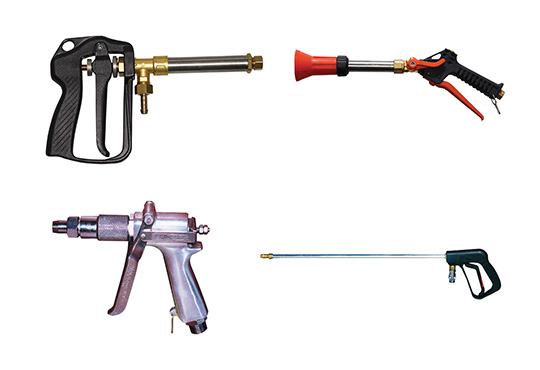
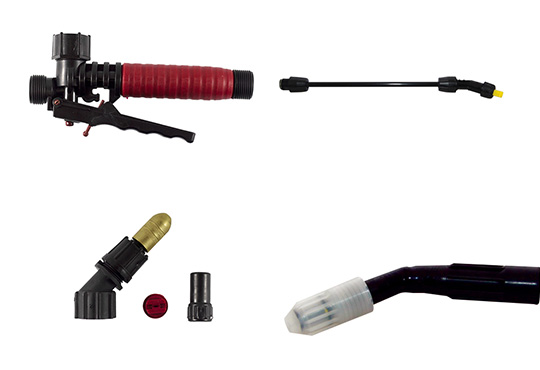
Equipment for targeted weed control where herbicide application is appropriate.
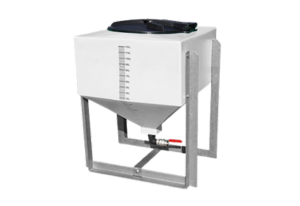
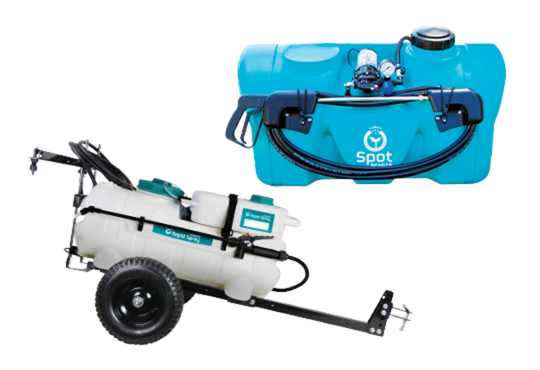
Water Cartage Tanks
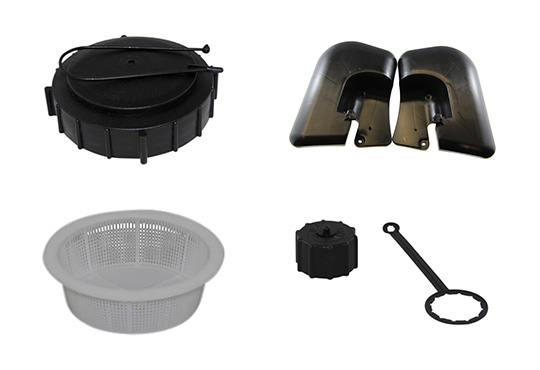
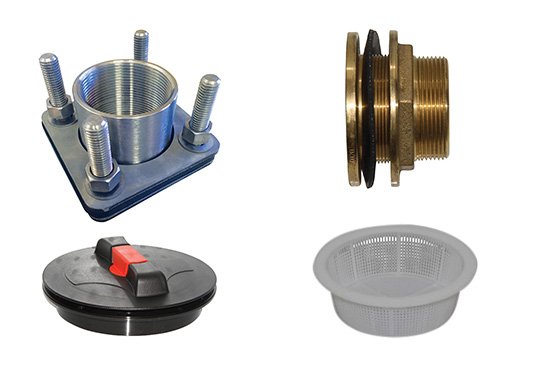
Water transport and storage solutions for suitable site maintenance applications.
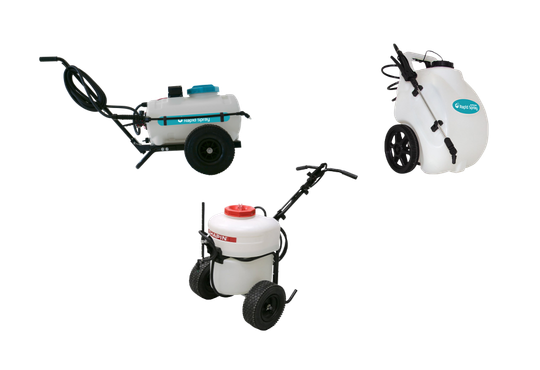
Spraying Equipment
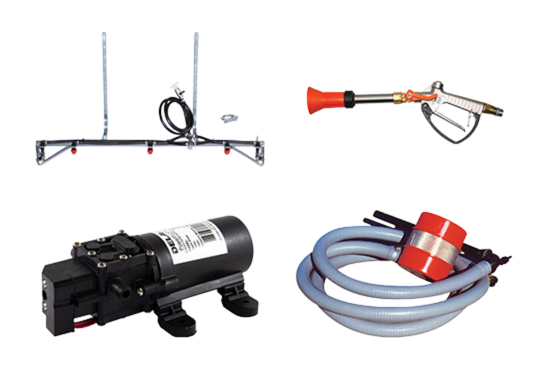
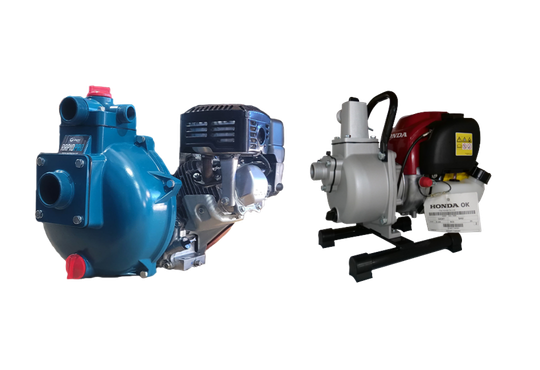
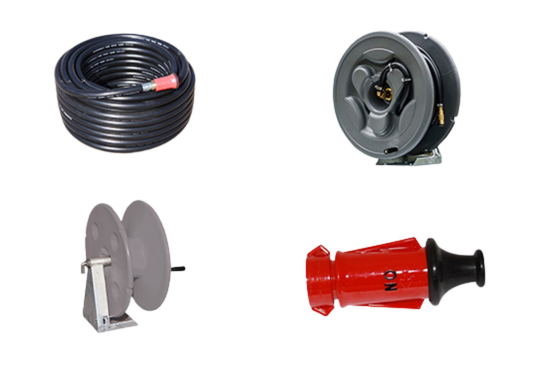
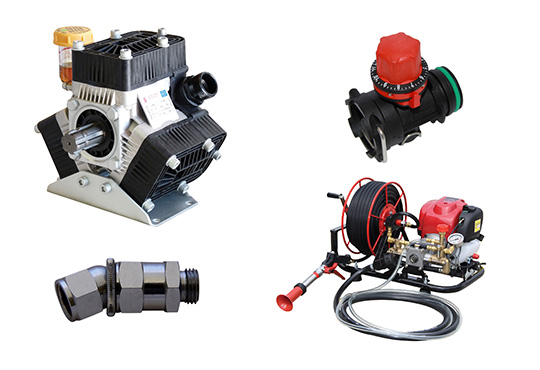
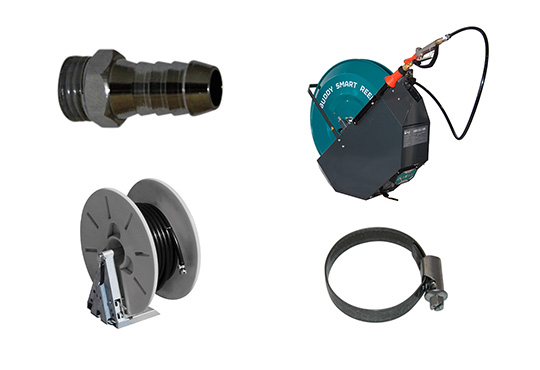
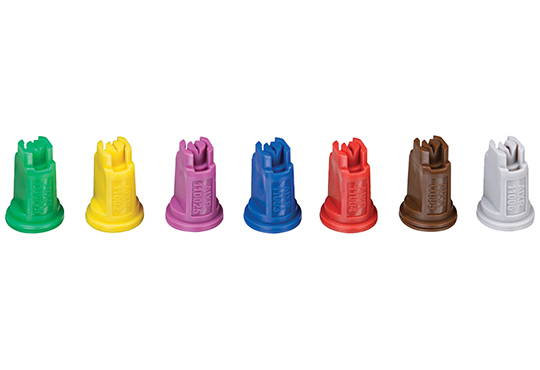
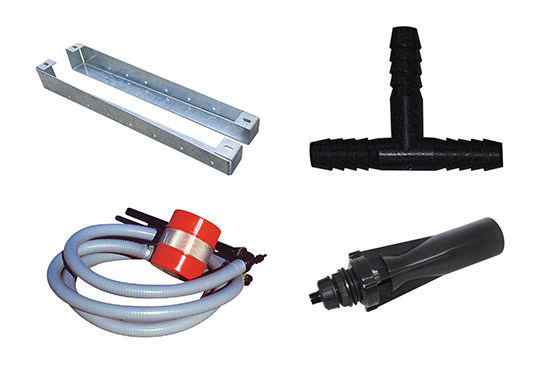
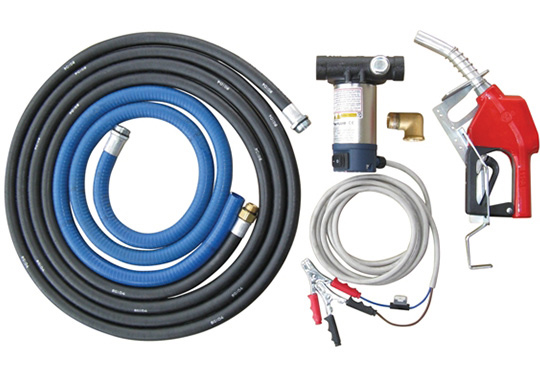
Explore pumps, reels and spraying systems for different vegetation management tasks.
HEALTHY VEGETATION STARTS BELOW THE SURFACE
Topsoil contains organic matter, nutrients and microorganisms that support plant growth. Mining activities may disturb or remove this layer, leaving difficult conditions for revegetation.
Soil rehabilitation may involve testing, managing compaction, improving soil structure, applying suitable amendments and controlling erosion. Where contamination or problematic mine materials are present, specialist assessment is essential.
Soil Testing
Evaluate pH, salinity, nutrients, structure and potential contaminants.
Ground Preparation
Address compaction, erosion and soil limitations where practical.
Plant Growth
Create conditions suitable for long-term vegetation establishment.
CHOOSE PLANTS THAT BELONG ON THE SITE
Plant selection should consider local climate, soil conditions, available water, ecological requirements and intended post-mining land use.
Depending on rehabilitation objectives, suitable species may contribute to erosion control, habitat creation, water regulation, carbon storage and landscape resilience.
Local Adaptation
Select species suited to climate, soils and site conditions.
Land Use
Align planting with approved post-mining land-use objectives.
Ecological Function
Consider biodiversity, soil stability and habitat value.
COMMON MINE REVEGETATION METHODS
The most suitable revegetation method depends on site size, terrain, soil conditions, available resources and rehabilitation objectives.
Direct Seeding
Sow suitable seed directly into prepared ground.
Planting
Establish nursery-grown seedlings or tubestock.
Hydroseeding
Apply seed in a water-based slurry to suitable surfaces.
Hydromulching
Apply a mulch-based slurry to support surface protection.
Brush Matting
Use suitable vegetation material to support surface stability.
Transplanting
Relocate suitable vegetation where site conditions permit.
PROTECT NEW VEGETATION FROM WEED COMPETITION
Weeds and pests can significantly affect mine revegetation by competing with young plants for water, nutrients and sunlight. Some invasive species may also spread into surrounding landscapes.
Integrated pest management combines prevention, monitoring and suitable physical, chemical, biological and cultural control techniques.
Prepare the Site
Identify and manage priority weeds before revegetation begins.
Protect Establishing Plants
Monitor weed regrowth and apply suitable targeted control methods.
Where herbicides are appropriate, use correctly selected and calibrated equipment, protect non-target vegetation and follow label directions and applicable site requirements.
MINE REVEGETATION PLANNING CHECKLIST
Use this checklist to review the key considerations before and during a mine rehabilitation project.
0 of 8 planning items completed
This is a general planning aid, not a substitute for a site-specific rehabilitation management plan or regulatory approval.
MEASURE PROGRESS. ADAPT THE PLAN.
Rehabilitation requires ongoing monitoring to assess whether vegetation is establishing and the site is progressing towards its approved rehabilitation objectives.
Survival
Monitor seedling and plant survival.
Growth
Assess vegetation cover and development.
Diversity
Track species composition and weed pressure.
Function
Evaluate erosion, stability and ecosystem function.
Regular Evaluation
Compare monitoring results against site-specific performance criteria and identify areas requiring additional rehabilitation.
Stakeholder Involvement
Include relevant regulators, landowners, local communities and Traditional Custodians in appropriate consultation processes.
MINE REHABILITATION & VEGETATION MANAGEMENT VIDEOS
Explore mine rehabilitation methods, vegetation establishment and spraying equipment demonstrations.
Mine Rehabilitation in Australia
Explore approaches to restoring disturbed mining landscapes.
Find Videos →Hydroseeding & Revegetation
See how vegetation establishment methods are used on difficult sites.
Find Videos →Vegetation Control Equipment
Explore Rapid Spray equipment demonstrations for weed management.
Find Videos →MINE REVEGETATION FAQs
What is mine revegetation?
Mine revegetation involves establishing suitable plant cover on disturbed mining land to support rehabilitation objectives, such as soil stability, ecological function and approved post-mining land use.
Why is soil quality important?
Soil structure, nutrients, salinity, acidity and contamination can all influence whether plants establish and survive on rehabilitated land.
Which plants are best for mine rehabilitation?
The most suitable plants depend on local conditions, rehabilitation objectives and the intended final land use. Native or site-appropriate species are often preferred.
How are weeds managed during revegetation?
Integrated weed management may combine prevention, monitoring, physical removal, suitable herbicide treatment and other control methods.
How is revegetation success measured?
Monitoring may assess vegetation survival, growth, cover, species diversity, soil stability and site-specific rehabilitation criteria.
SUCCESSFUL REVEGETATION REQUIRES A LONG-TERM APPROACH
Mine revegetation is a complex process involving soil preparation, plant selection, establishment methods, weed and pest control, and ongoing evaluation.
By addressing these challenges through site-specific planning and adaptive management, mining operators can work towards stable, functional landscapes and sustainable post-mining land use.
Effective rehabilitation also benefits from collaboration between mining companies, regulators, landowners, communities and Traditional Custodians.
EQUIPMENT FOR VEGETATION MANAGEMENT
Explore Rapid Spray's range of spraying equipment, water cartage tanks and solutions for property and site maintenance applications.
Explore Rapid Spray Equipment →