







How to Stop Flying Embers From Destroying Your Home
When most people think about bushfires, they picture towering flames moving across the landscape. But the biggest threat to homes isn’t the flame front it’s ember attack.
In fact, ember attack is responsible for the majority of home losses in bushfires. Embers can travel kilometres ahead of the fire line, landing on rooftops, in gutters, under decks, inside wall gaps, sheds and even on garden beds.
The frightening part? A home can burn down long before the actual fire arrives. Thats where high quality fire fighting equipment comes in.
This is why ember attack defence is one of the most important parts of bushfire preparedness. In this guide, you’ll learn exactly how embers ignite homes, what areas are most vulnerable, and how NSW and QLD landowners can protect their properties before fire season. You’ll also see how Rapid Spray’s firefighting equipment can support your defence plan.

Roof on fire
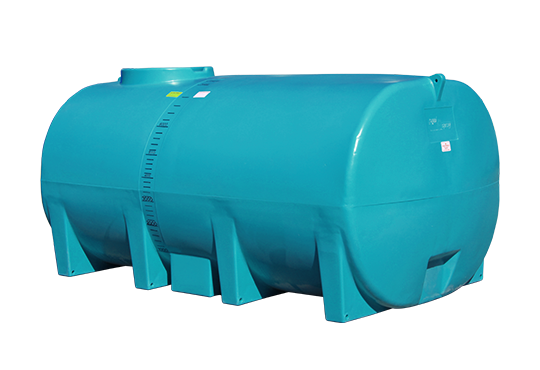
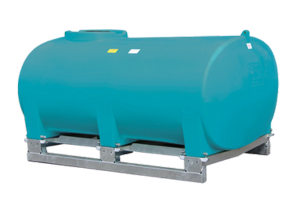
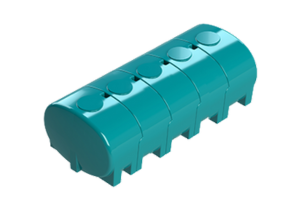
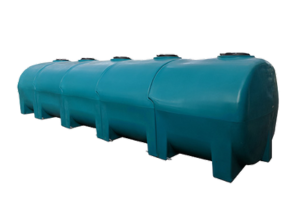
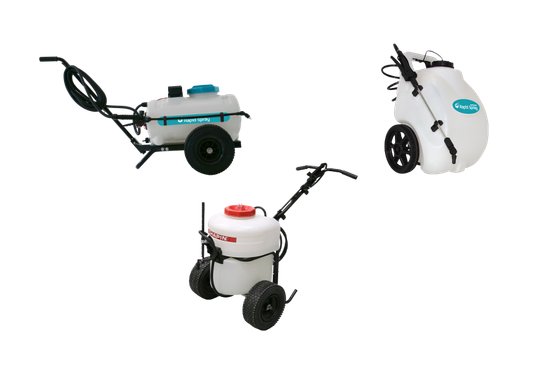
“Mobile water carts are unmatched for versatility across a property, but they shouldn’t be your only line of defense. For properties where footprint is limited, setting up an efficient slimline rainwater harvesting system in tight spaces using narrow-profile storage tanks allows you to keep bulk water reserves on hand without sacrificing valuable driveway or yard clearance.”
What Is Ember Attack and Why Is It So Dangerous?
Embers are burning twigs, bark, leaves, ash or debris that are carried on hot winds ahead of a fire front. They can fall like burning rain and ignite anything flammable:
-
Dry leaves in gutters
-
Timber decks
-
Door mats
-
Garden beds with mulch
-
Outdoor furniture
- Wooden Stools and Chairs
-
Sheds and outbuildings
-
Firewood piles
-
Unsealed roof and wall gaps
Strong bushfire winds can push embers over long distances sometimes more than 5km ahead of the main blaze. This means your home can be under threat even when the fire looks far away.
Embers tend to accumulate in corners, gaps, gutters, under eaves and in sheltered spots. Once a small smoulder begins, the heat can build until flames erupt. With enough embers landing, ignition becomes almost inevitable unless your home is protected.
The Most Vulnerable Areas of a Home in an Ember Attack
Understanding weak points allows you to fortify your home properly. The most ember-prone areas include:
1. Roof and Gutters
Dry leaves, twigs, bark and debris in gutters act like tinder. Embers land, smoulder and quickly ignite.
2. Vents and Gaps
Tiny gaps in roof sheeting, eaves, vents, under-floor spaces and walls allow embers to enter hidden cavities where they can burn unnoticed.
3. Decks, Patios and Verandahs
These areas often accumulate debris or have timber elements vulnerable to ignition.
4. Outdoor Items
Door mats, cushions, pot plants, lounges and timber furniture can ignite when embers collect on them.
5. Sheds and Outbuildings
Dry tools, farm gear, hay or fuel stored in sheds are highly flammable.
6. Fence Lines and Garden Beds
Mulch, dry plants, wood borders and long grass ignite easily.
Identifying these hot spots is step one. Strengthening them is step two.

Fire Fighting Equipment for an Ember Fire Attack
How to Protect Your Home From Ember Attack
Ember protection is all about blocking entry points, removing fuel, and having water on hand to extinguish embers fast.
Below are the most effective defence strategies used by bushfire-resilient properties in NSW and QLD.
Step 1 – Strengthen Your Roof & Gutters
Clean and maintain gutters
Remove leaves, sticks and debris regularly, especially leading into summer.
Install metal gutter guards
This prevents embers lodging in trapped debris.
Repair loose tiles or roof sheeting
Even a 1cm gap can let embers inside the roof cavity.
Keep roof valleys and corners clear
These areas trap debris quickly.
Step 2 – Seal All Ember Entry Points
Install ember mesh
Use metal mesh (not plastic) with apertures less than 2mm on:
-
Vents
-
Weep holes
-
Eaves
-
Underfloor access points
Seal wall and roof gaps
Use non-combustible sealants, cement sheeting or fire-resistant materials.
Enclose under-house areas
If embers can blow into the subfloor, they can ignite hidden debris.
Step 3 – Reduce Flammable Material Around the Home
Remove or relocate:
-
Firewood piles
-
Outdoor cushions
-
Door mats
-
Fabric outdoor chairs
-
Gas bottles (store valves facing away from the house)
-
Rubbish piles and pallets
Replace mulch with gravel in garden beds near the house
Mulch is a major ember risk.
Trim vegetation
Keep branches away from roofs and walls.
Step 4 – Create an Ember-Safe Defendable Zone
A defendable zone is a buffer that stops embers from igniting anything close to the home.
Key elements include:
-
Short, green lawn
-
Non-flammable landscaping (gravel, pavers, stone)
-
Limited shrubs close to the home
-
Cleared fence lines
-
Fire-resistant plants
If your home has a timber deck, sweep underneath it regularly and block large gaps below with ember mesh.
Step 5 – Have Water and Equipment Ready to Extinguish Embers Immediately
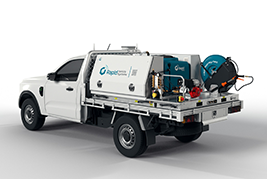
Even a perfectly prepared home still needs water availability and firefighting tools ready to go. This is where your Rapid Spray products play a major role.
How Rapid Spray Products Help Protect Your Home From Ember Attack
Your company offers some of the best practical tools for extinguishing embers quickly before they turn into a full-blown fire.
Here’s how your products support an ember-protection strategy:
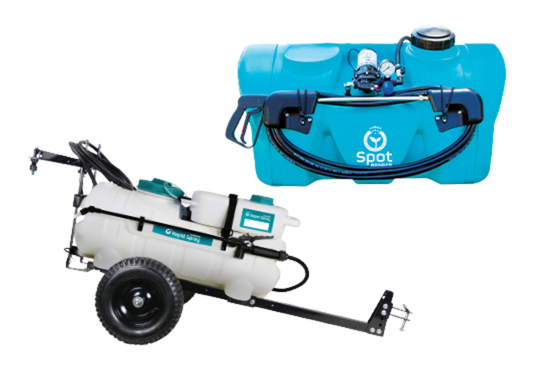
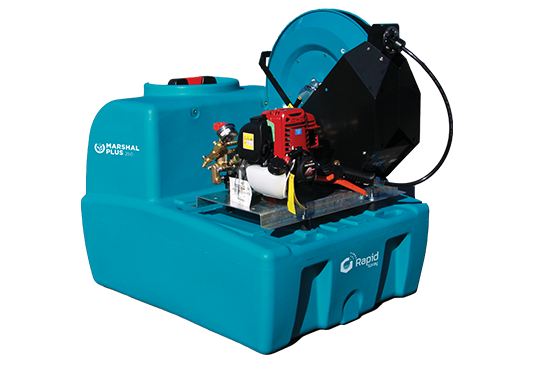
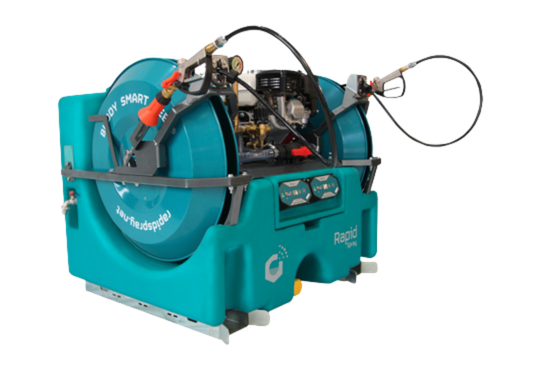
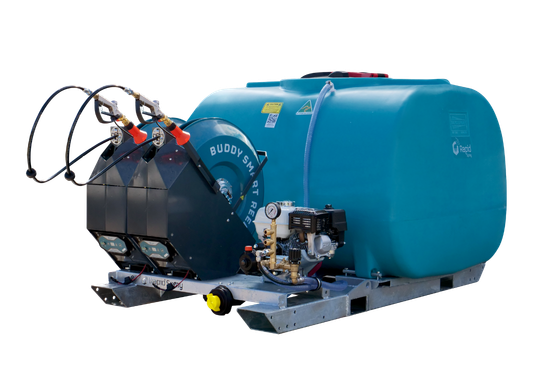
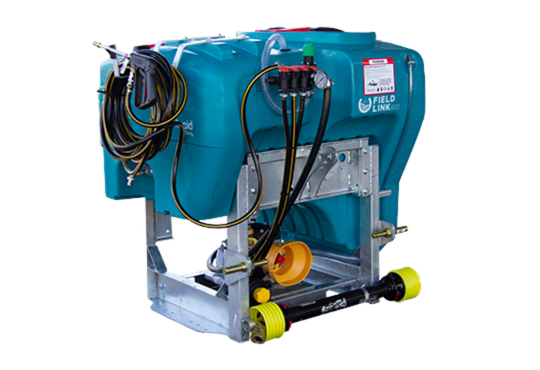
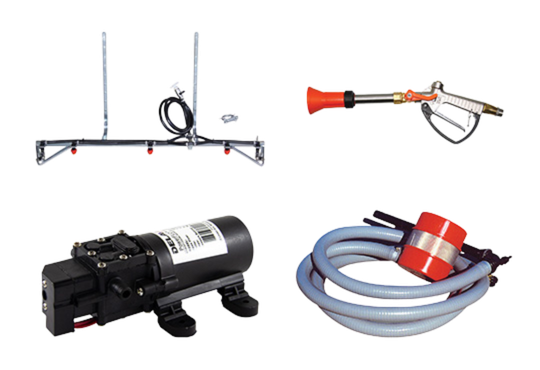
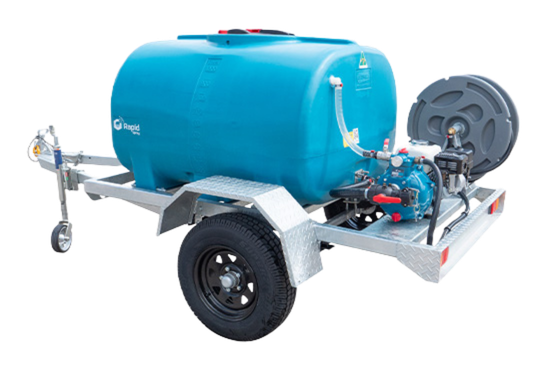
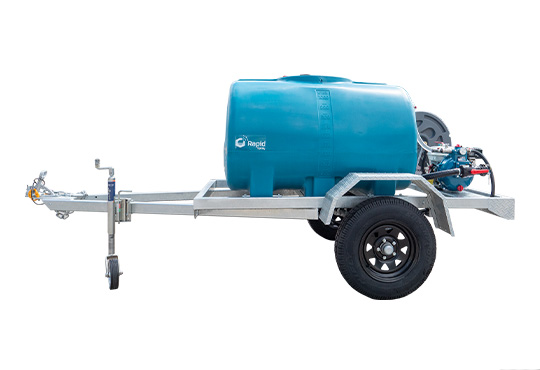
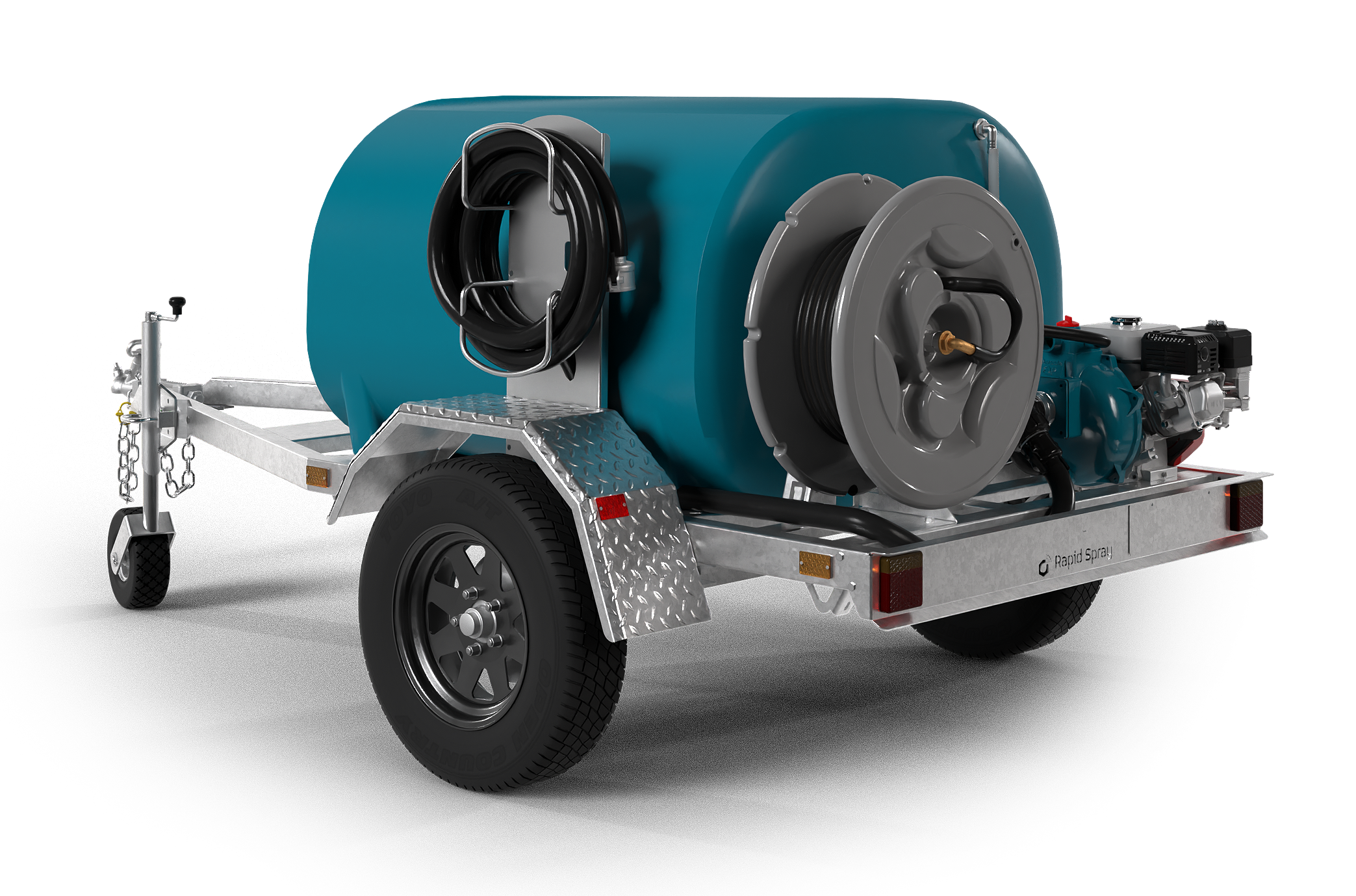
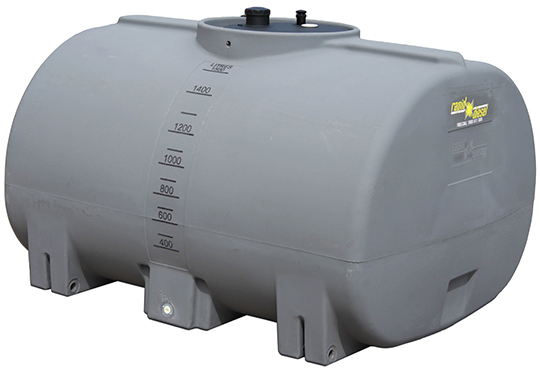
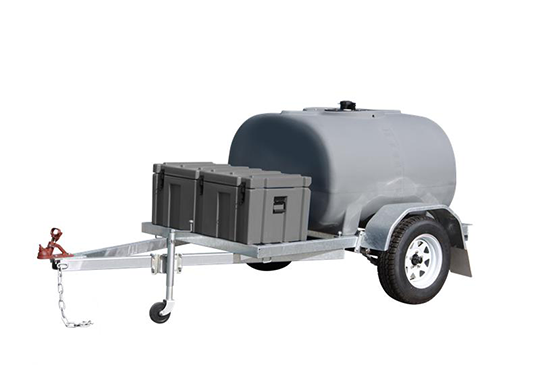
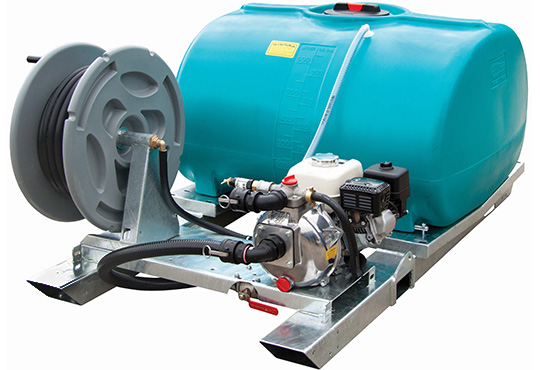
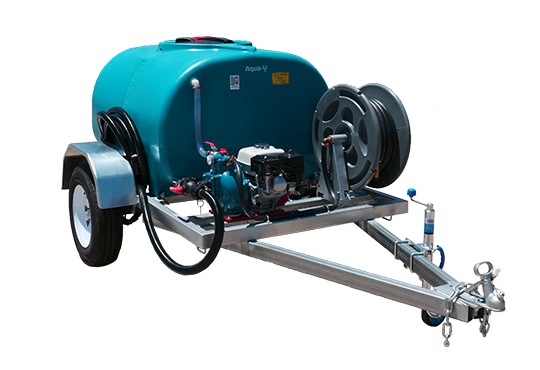
1. Portable Fire Fighting Units (Skid or Trailer)
Best for: Acreage, farms, rural homes, machinery sheds, paddocks
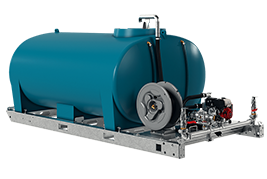
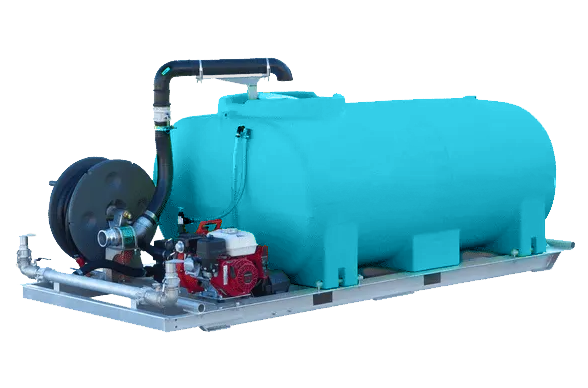
These fire trailer units combine a water tank, pump and hose into one powerful portable system.
How can bush fire fighting equipment help with ember attack:
-
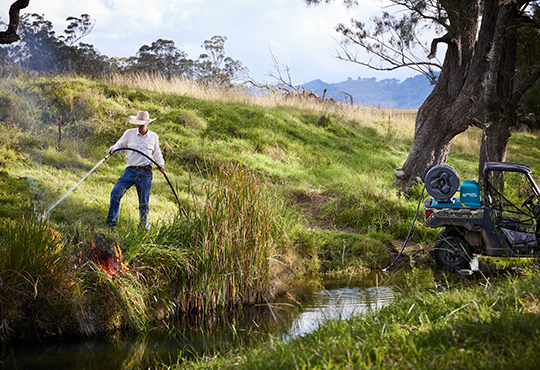
Allow you to rapidly extinguish spot fires ignited by embers
-
Provide high-pressure water delivery for distance and accuracy
-
Can be moved around the property, ideal for fence lines and sheds
-
Offer independence if mains water fails
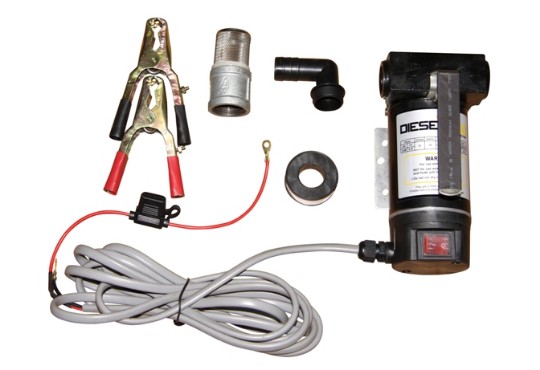
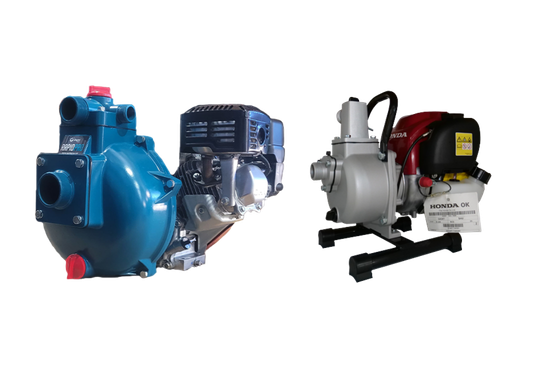
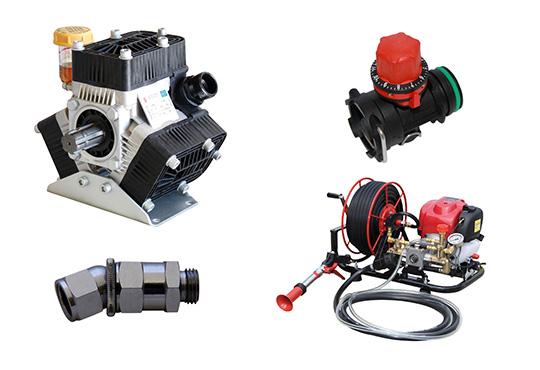
2. High-Pressure Fire Pumps
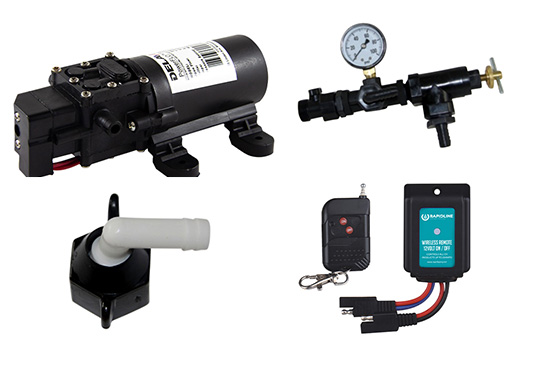
Embers often start small fires in hard-to-reach areas. A high-pressure pump helps deliver powerful water streams exactly where needed.
Why they’re essential:
-
Provide strong water throw onto roofs, gutters, or high points
-
Work with tanks, dams or rivers when mains water is unavailable
-
Allow multiple hoses to run if required
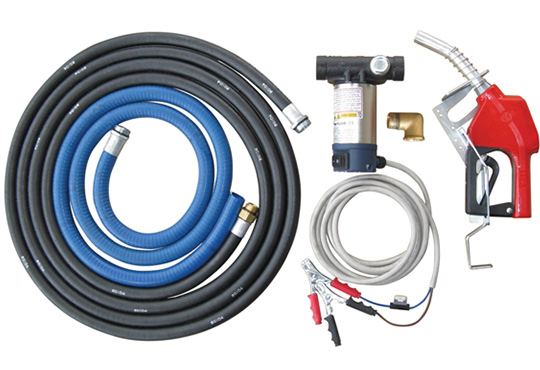
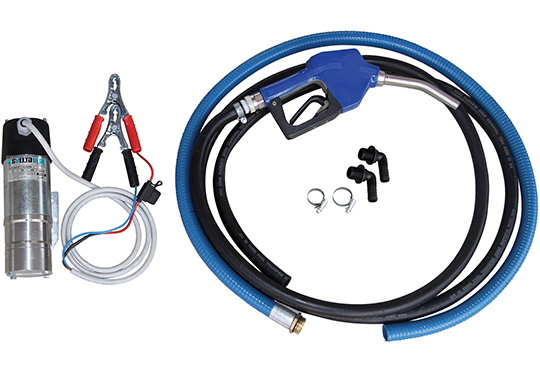
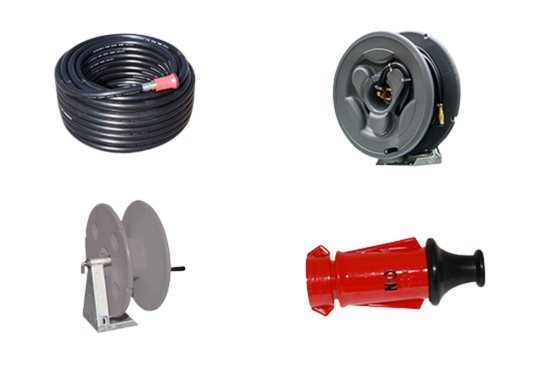
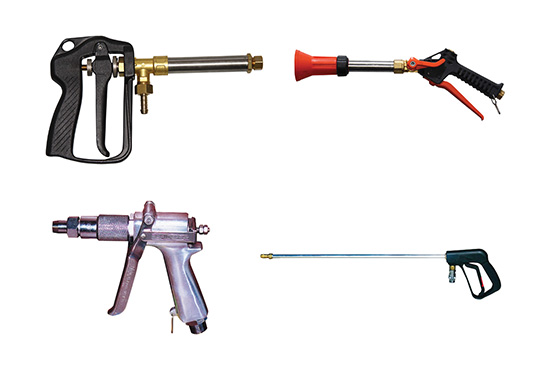
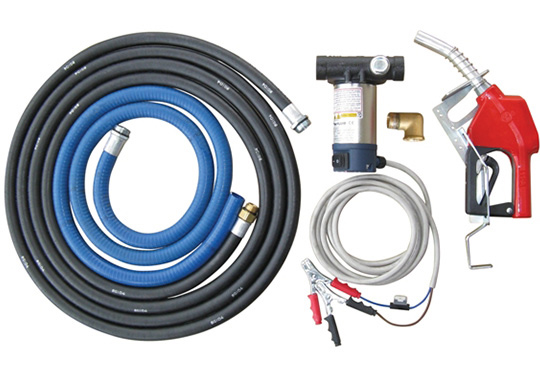
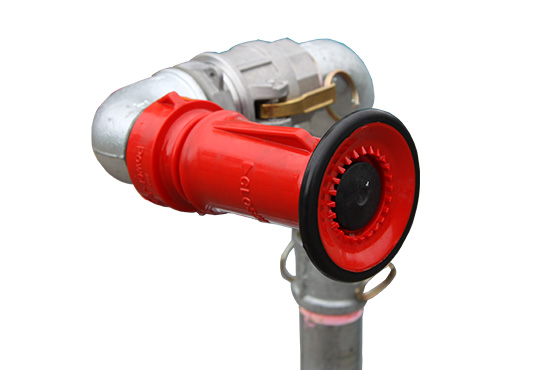
3. Firefighting Hose Kits + Nozzles
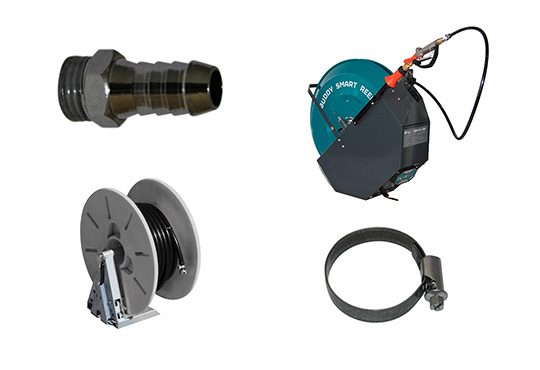
High-quality hoses and adjustable nozzles give you control in ember conditions.
Benefits:
-
Switch between spray (cooling) and jet (penetration)
-
Durable and reliable under pressure
-
Portable for fast movement around property
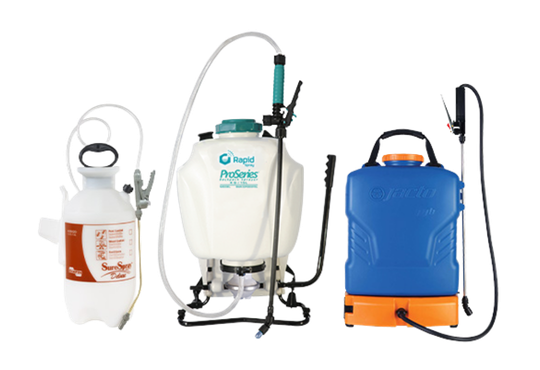
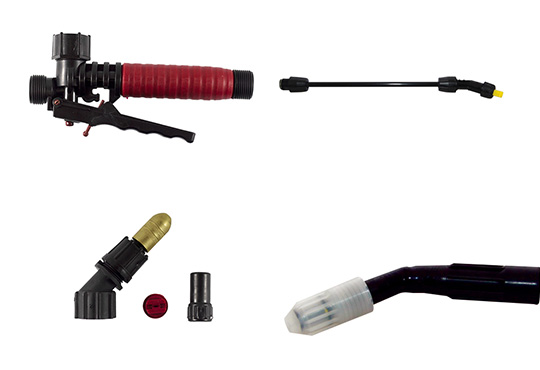
4. Knapsack Sprayers for Spot Fires
Spot fires from embers can appear dozens of metres from your home.
Why knapsacks matter:
-
Knapsack Sprayers are Perfect for extinguishing embers quickly
-
Ideal for roof edges, decks, fence lines and sheds
-
Lightweight and easy for any family member to use
Step 6 – Prepare an Ember Attack Response Plan
A plan helps you stay calm and organised when embers start falling.
Your plan should include:Before the fire arrives
-
Wet down decks, gutters and surrounding areas
-
Move firefighting equipment into accessible areas
-
Wear protective clothing
-
Monitor fire updates
When embers fall
-
Walk the property with a knapsack or hose
-
Check roof edges, corners and guttering
-
Inspect sheds, outdoor furniture, garden beds and decks
-
Extinguish any smouldering items immediately
After the ember storm
-
Keep patrolling, embers can ignite minutes or hours later
-
Refill tanks and knapsacks
-
Stay alert to shifting winds
Final Thoughts
Ember attack is the silent threat that destroys most homes during bushfires. But the good news is that homeowners can dramatically improve their chances of protecting their property through early preparation, ember-proofing, fuel reduction and having appropriate firefighting equipment on hand.
By combining preventative actions with Rapid Spray’s portable fire units, pump systems, hoses and knapsack sprayers, you create a powerful defence strategy that works even when the fire is still kilometres away. Preparation is your greatest tool and now is the time to start.