


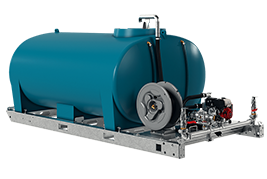
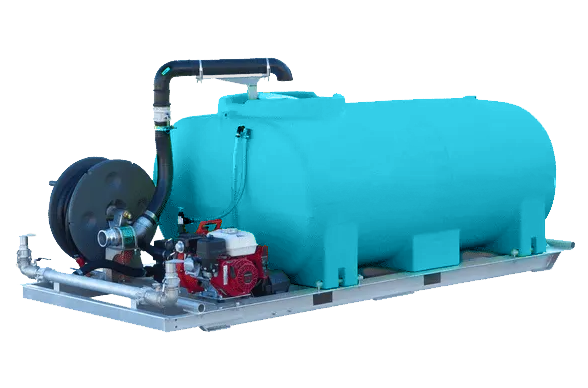
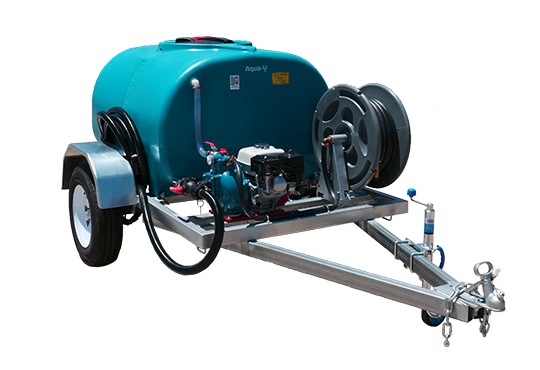


1000L Marshal Off-Road Fire Fighting Trailer – On-Farm

SRFX1000LZ

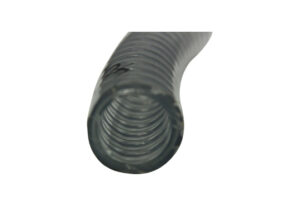
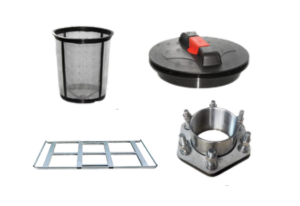
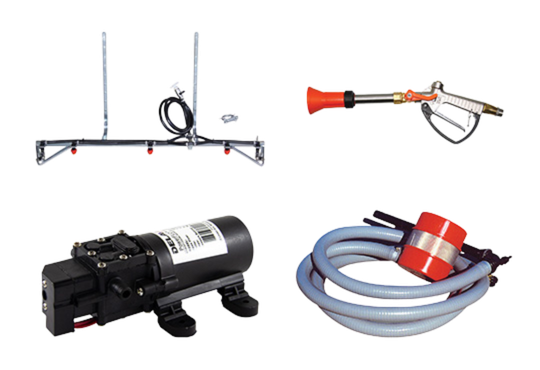
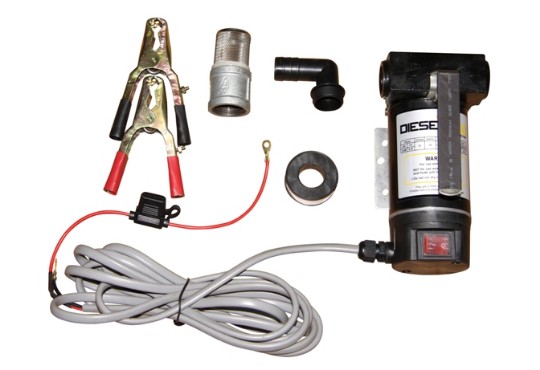
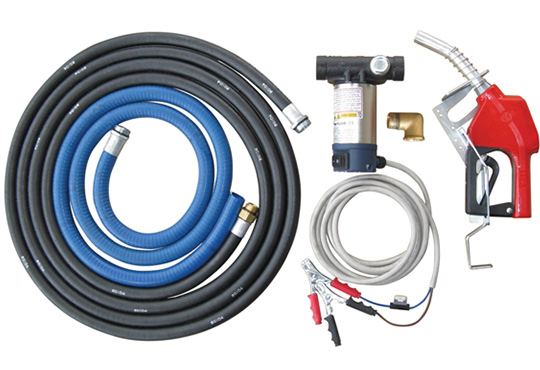
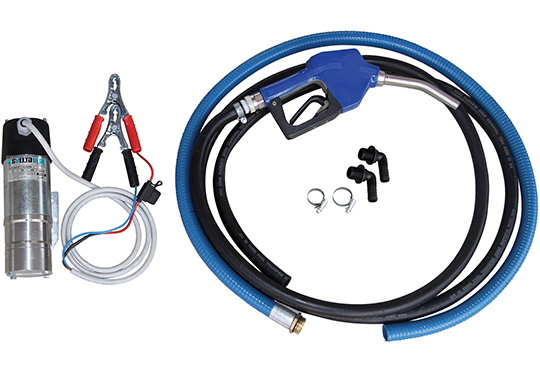
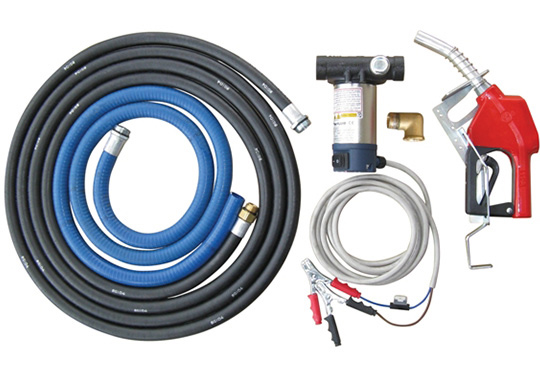
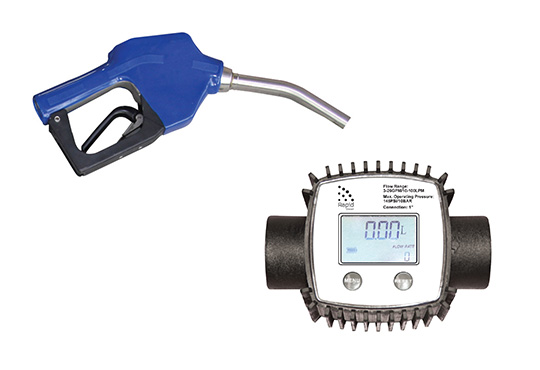
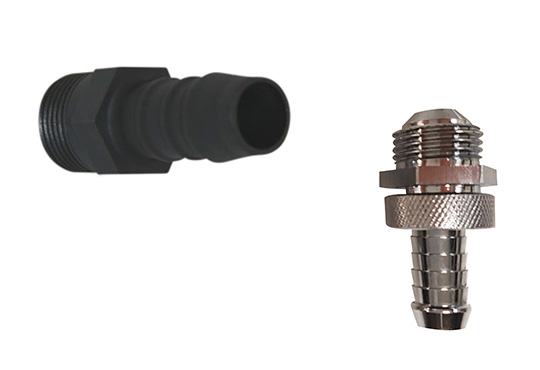
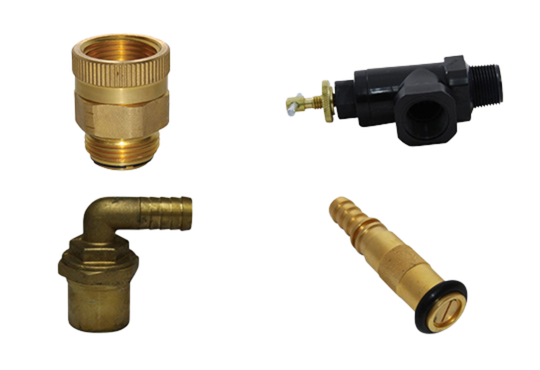
*FREE BOTTOM FULL KIT – 1st Dec – 28th Feb*


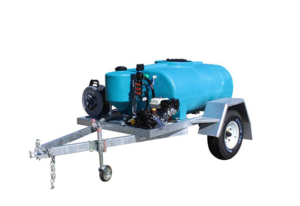
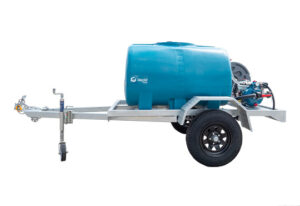
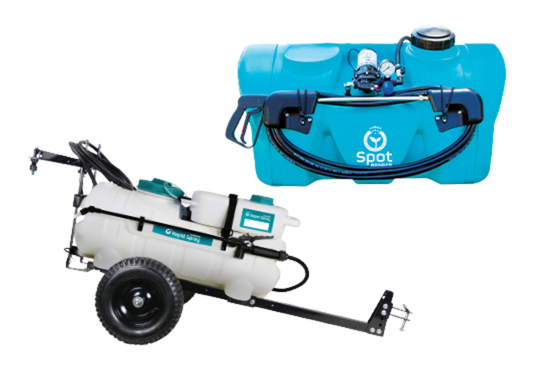
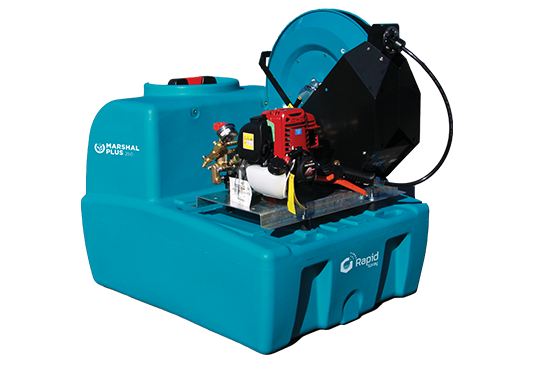
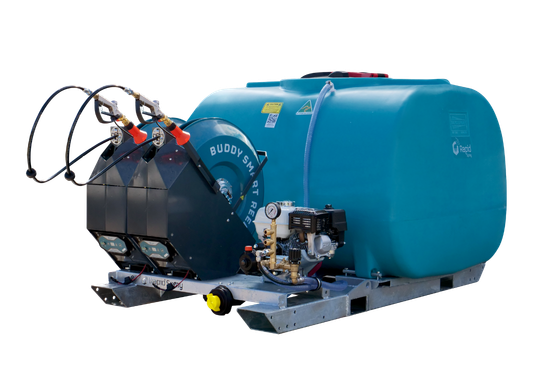
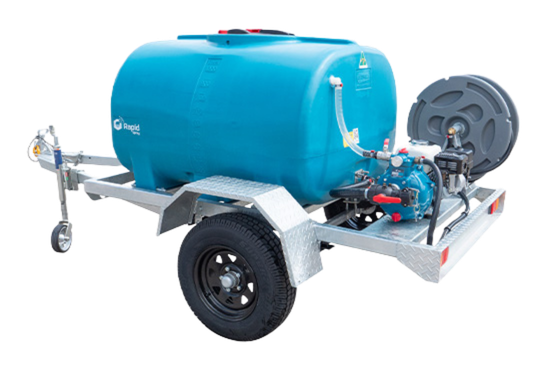
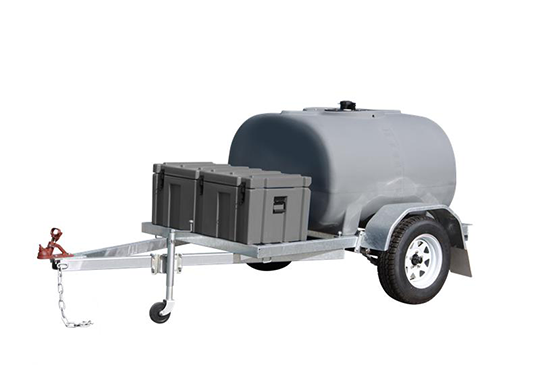
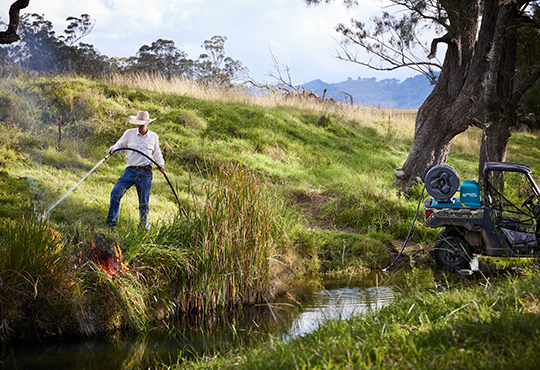
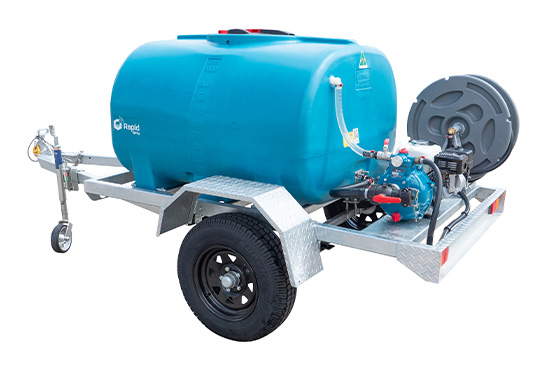
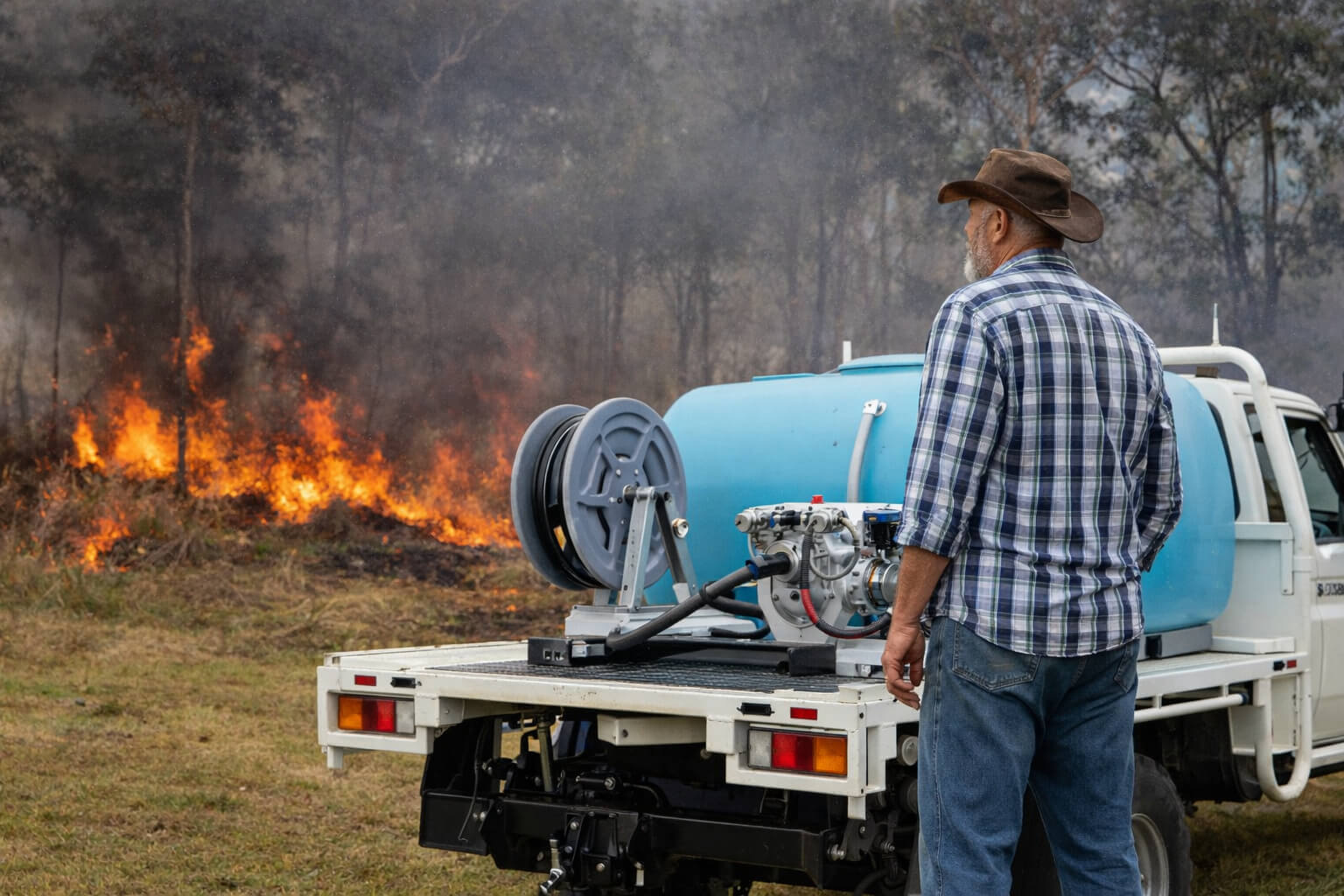
Protect your farm or rural property with confidence. The Fire Marshal trailer gives you a reliable, mobile water supply, ready to respond quickly in emergencies. Durable, easy to tow, and built to last, it helps you stay prepared when fire risk is high.

  • Quick to deploy when fires threaten your property
  • Reliable water supply for peace of mind
  • Tough and built to last for years of use
  • Easy to tow across uneven terrain


To confirm lead time please contact us or visit your local dealer.

From Original price was: $10,870.00.Current price is: $10,870.00.

Add to Cart

This product is available for pickup only. More info

Rapid Spray supports local businesses by operating a network of distributors throughout Australia and overseas. This product is available for purchase via Dealer Pick Up through the local distributor of your choice. Your product will be shipped to the local distributor who will then contact you for collection when it arrives. Freight cost to your local dealer will be calculated at checkout.

Supporting your local distributor ensures they can provide you the best possible service and support over the life of your purchase.

Less info

No dealer selected

Change
OR
Request An Official Quote

Showing overall specifications

Item
Description
Details
Weight
kg
450 kg
Dimensions
Length / Width / Height
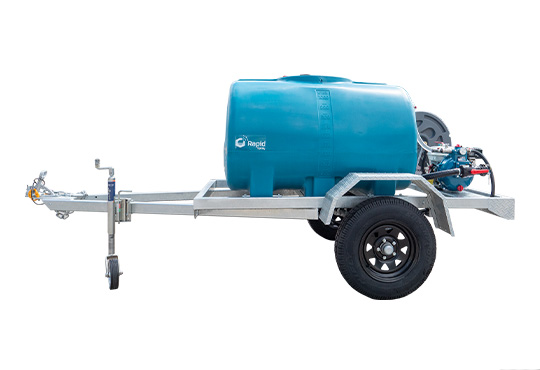
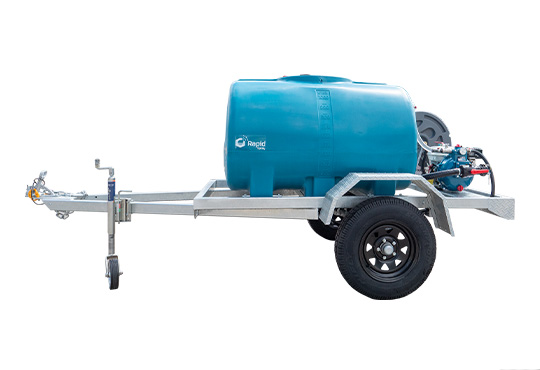
3480 × 1770 × 1375 mm
Tank
1000L
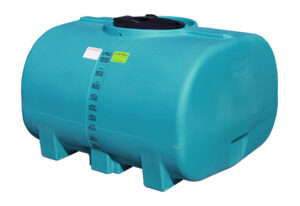
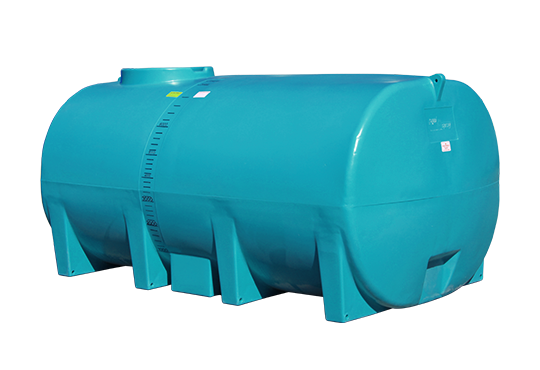
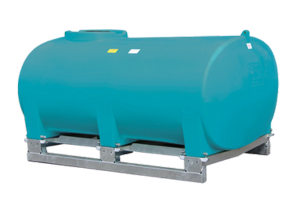
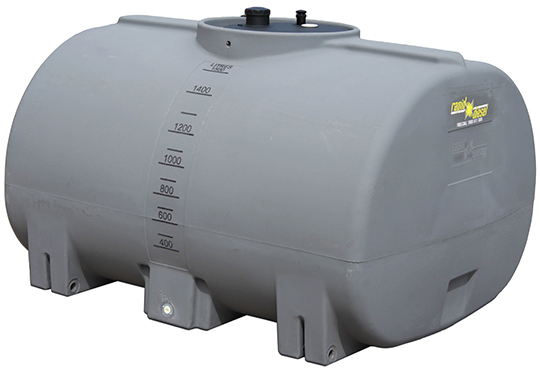
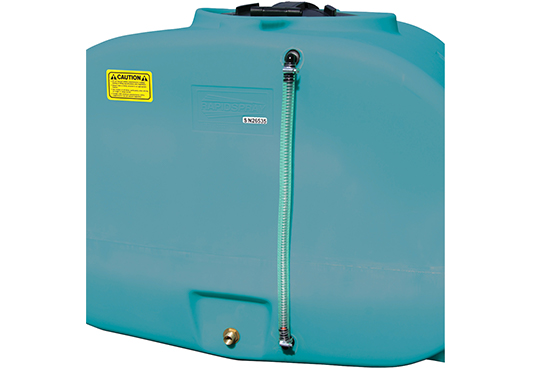
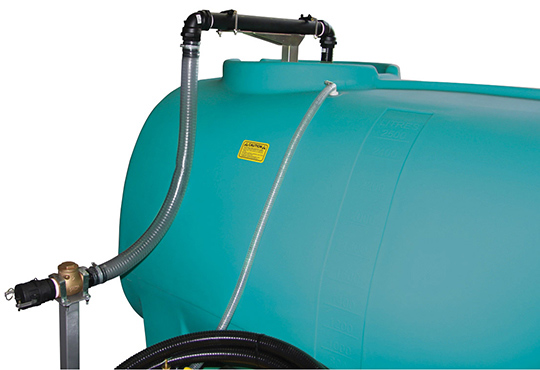
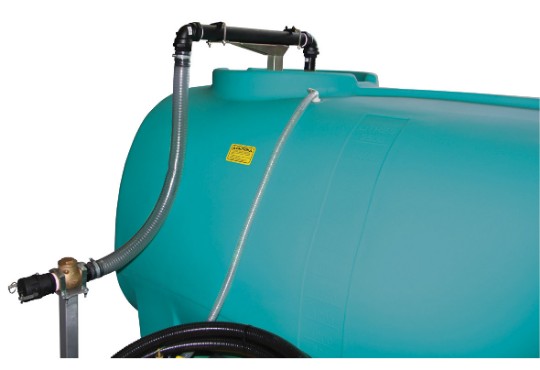
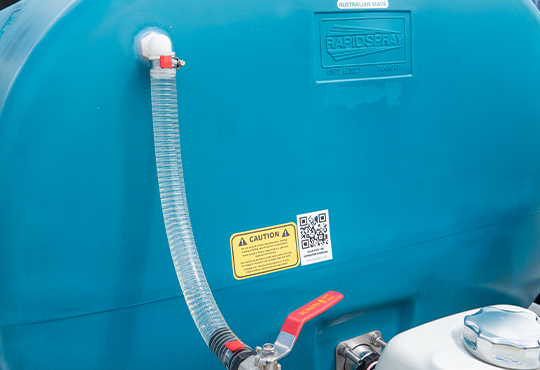
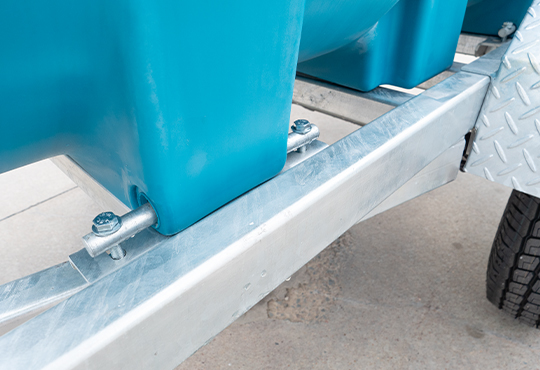
Australian Made UV-stabilised chemical resistant polyethylene tank for easy cleaning and fully draining of contents.
Trailer
Rolling Chassis
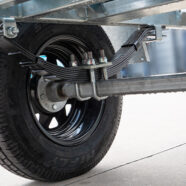
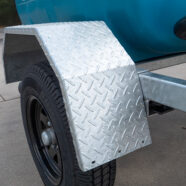
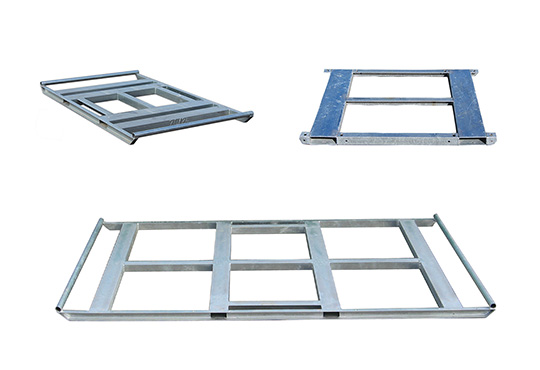
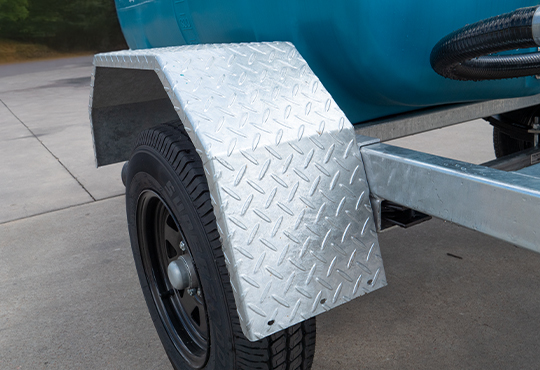
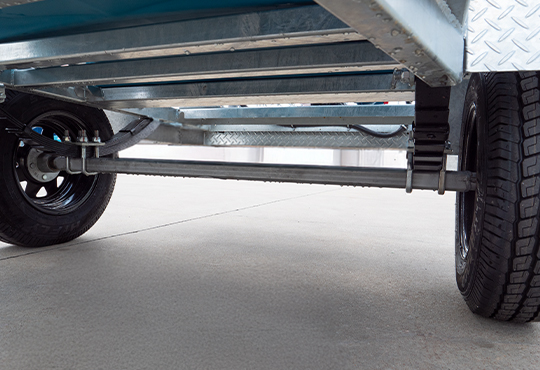
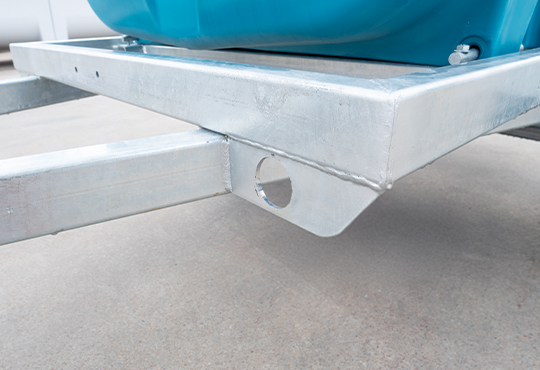
Galvanised steel Australian Made frame with 45mm square straight axle and chequer plate mud guards.
Wheels
2
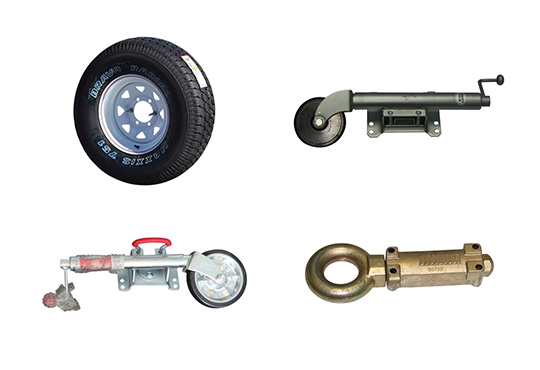
14x6" wheels with 5 stud Ford hubs and 185R 14C all terrain light trucj 5ply radial tyres.
Jockey & Hitch
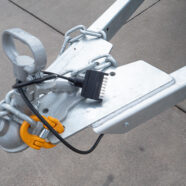
Swing-away jocket wheel with 50mm tow hitch ball coupling.
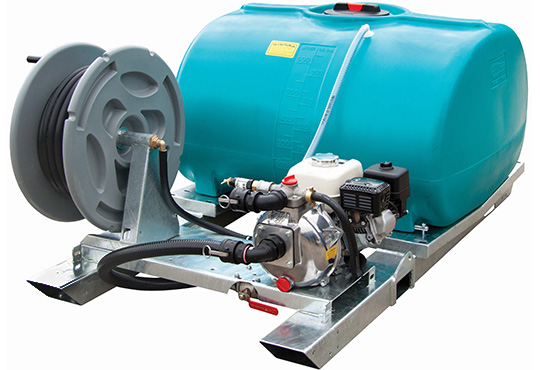
Pump
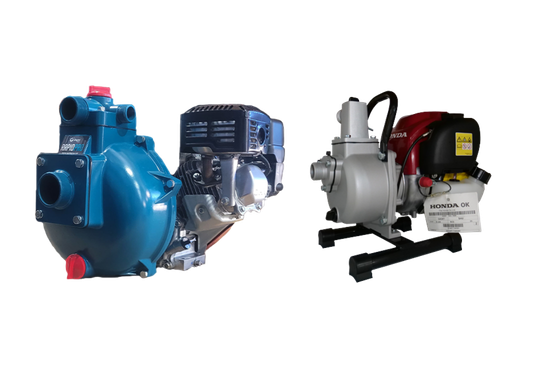
2" - 450L/min
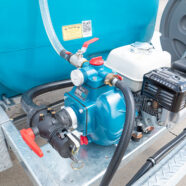
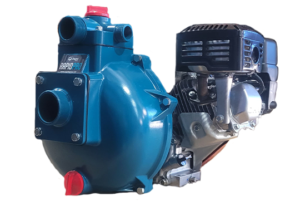
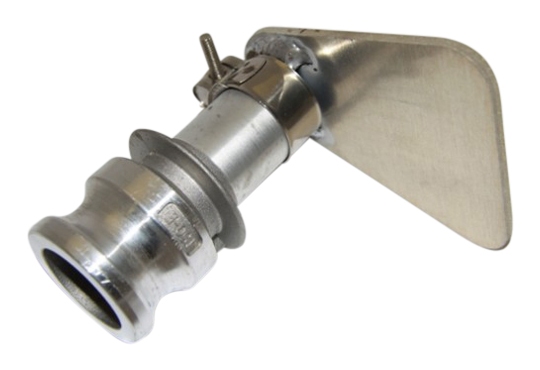
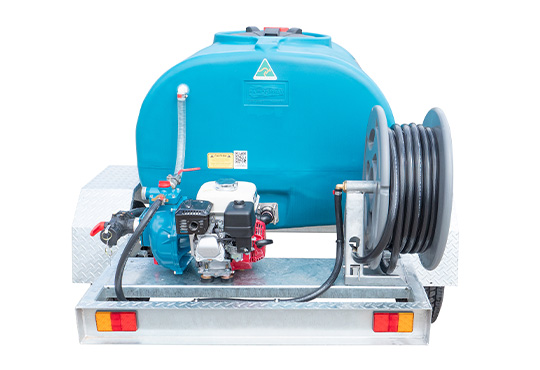
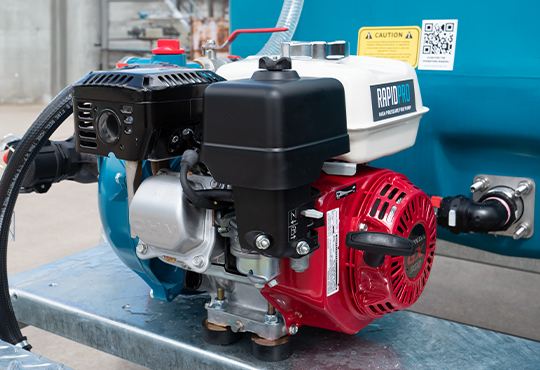
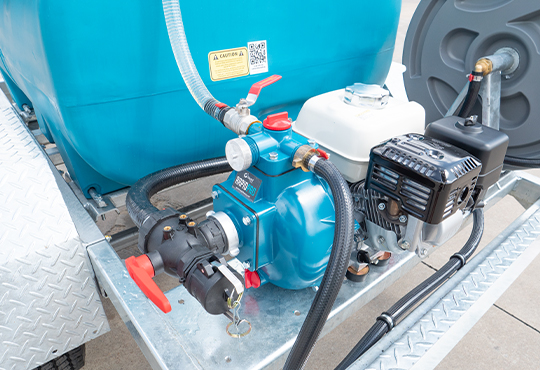
RapidPro high pressure single impeller fire pump with max flow 450L/min, and max head of 75m! With 3-way outlet, 2" inlet and 1.5" reducer. Suck from dams with bottom fill kit (sold separately) directly.
Engine
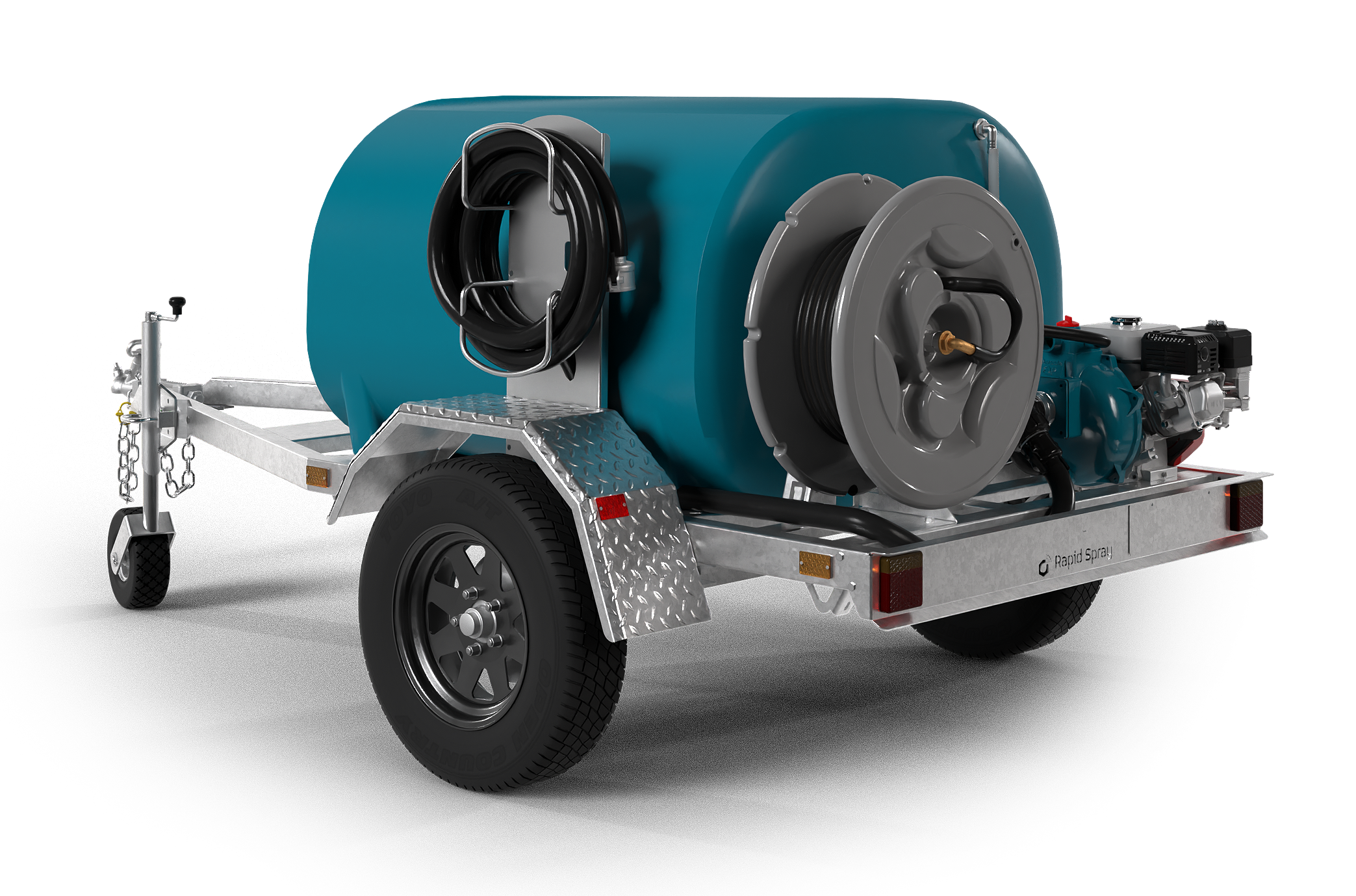
Honda GX200 6.5HP
Delivers reliable power to the pump - performance when you most need it.
Mount
Front-mounted pump for quick deployment and easy access. Designed for faster response, improved trailer stability, and simplified drafting from dams, tanks or creeks.
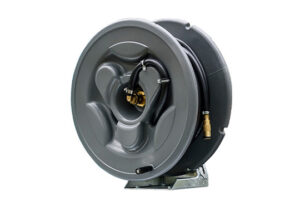
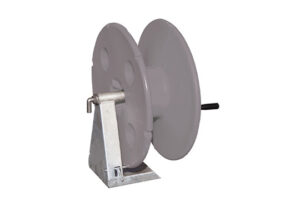
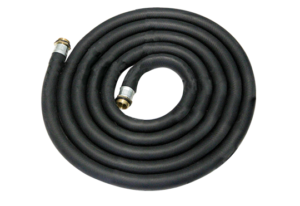
Hose Reel
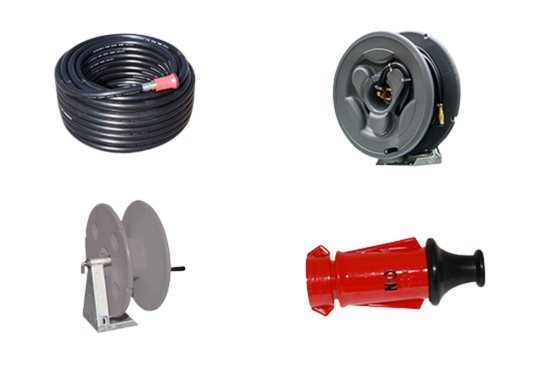
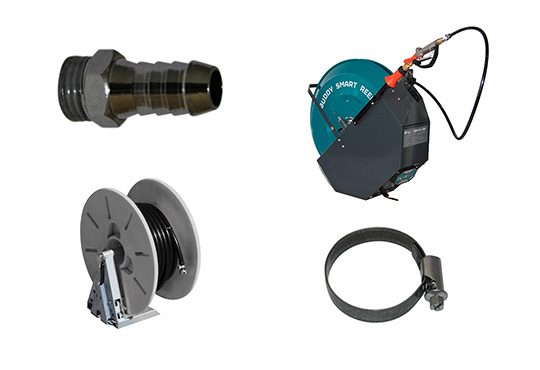
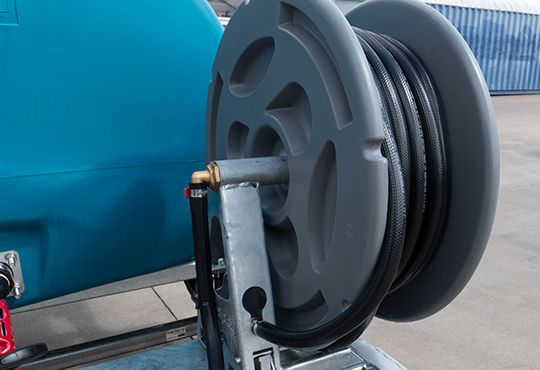
36m x 19mm
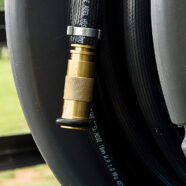
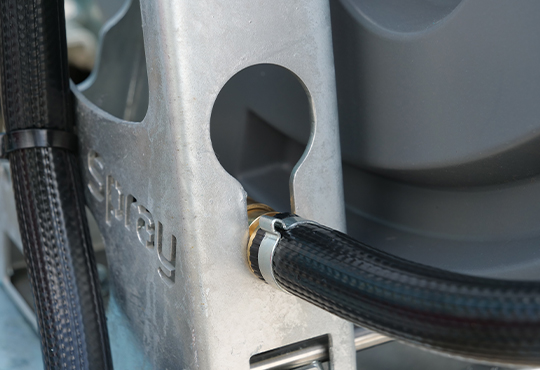
Features a base-mounted steel frame, rotating handle and 36m of 19mm AS1221 rated hose with adjustable nozzle for effective fire fighting.
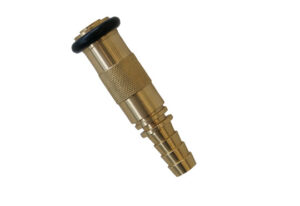
Fire Nozzle
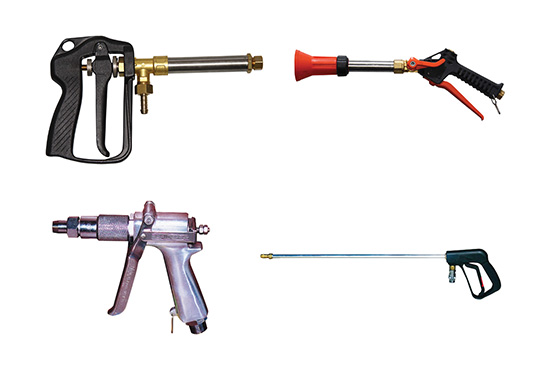
Adjustable
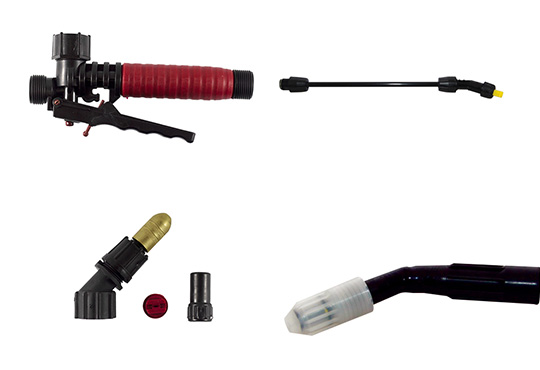
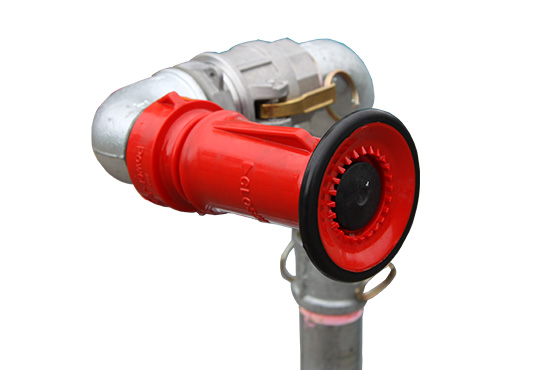
Switch between a long-distance jet and wide spray for precise, efficient fire suppression and versatile water use on farms, rural properties, or emergency situations.
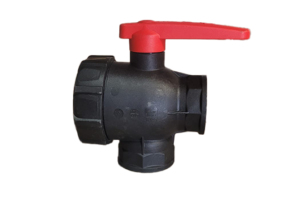
Fittings
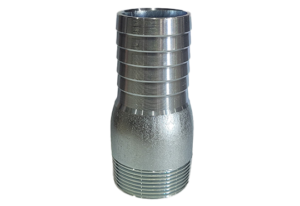
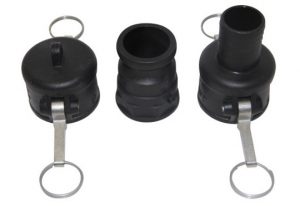
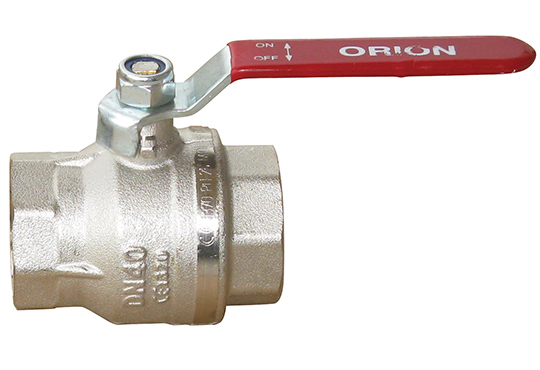
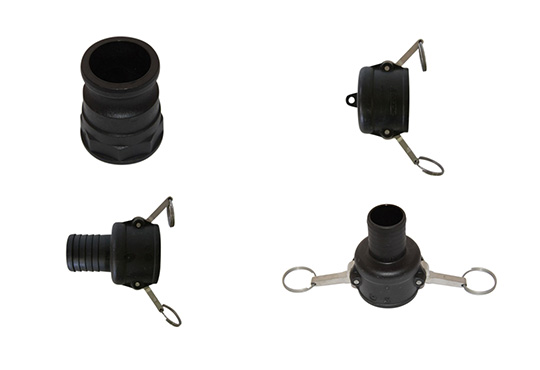
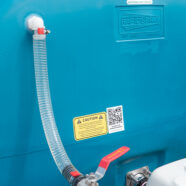
Quality quick connect camlock fittings, and ball valves for fast operation.
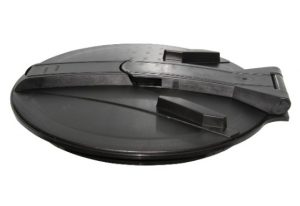
Poly Hinge Lid
455mm
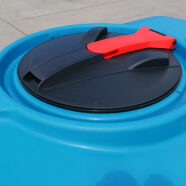
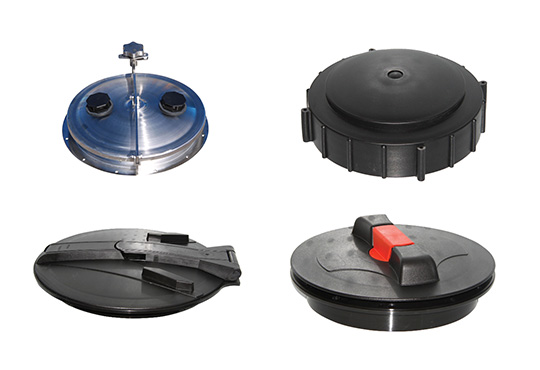
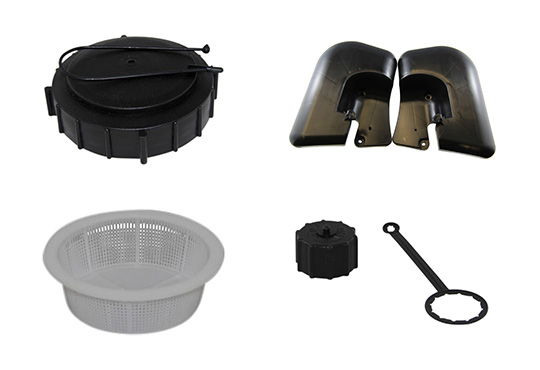
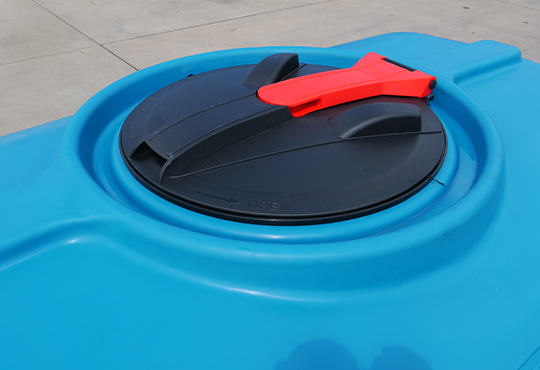
Easy access for filling, cleaning and maintenance with anti-spill lip around the lid.
Warranty
Tank - 25 years
Hose Reel - 15 years Poly / 3 years frame
Pump - 5 years
Engine - 3 years
Frame - 5 years
Product Handbook
Marshal Fire Fighting Trailer Spec Sheet
Product Handbook
Marshal Fire Fighting Trailer Operators Handbook
What is a fire fighting trailer and how does it work?

A fire fighting trailer is a mobile fire suppression unit mounted on a towable trailer, equipped with a water tank, pump, hose reel and nozzle. It connects to a vehicle and can be towed to areas where water access is limited. Once in position, the pump draws water from the onboard tank or an external source (like a dam), delivering pressurised water through the hose to help contain and extinguish fires.

Are off‑road fire fighting trailers suitable for bushfire protection?

Yes. Off‑road fire fighting trailers are designed for rugged terrain and remote environments, making them ideal for bushfire preparedness and rural fire suppression. With features like high ground clearance, sturdy chassis and durable tyres, they can navigate uneven tracks and access areas larger vehicles can’t.

Always be safe, and leave / evacuate dangerous fire conditions when told. This unit is designed to help prepare for bushfire, not fight full scale emergencies.

What tank size should I choose for my property?

The right tank size depends on your land area, water access and fire risk. Smaller trailers (e.g., 1000L) can be excellent for small farms, sheds or quick response around buildings, while larger trailers (e.g., 2000–3000L) provide more water for extended operations and larger properties. If you’re unsure, consider how long you need to operate before refilling and what water sources are available.

Can I refill my fire fighting trailer from a dam or creek?

Yes. The on-road fire fighting trailers come with a suction hose and camlock fittings to draft water directly from natural sources such as dams, creeks or tanks. This allows you to quickly refill in the field during an emergency, keeping you operational longer without needing a mains connection.

Do these trailers require special vehicle towing capacity?

Fire fighting trailers are towed like standard trailers but are heavier when loaded with water. Always check your vehicle’s towing capacity and ensure it can safely manage the trailer’s fully‑loaded weight. It’s also a good idea to use a suitable hitch and brake system for larger trailers.

Can I use my fire fighting trailer for other purposes?

Absolutely. Many owners use their trailers for multiple tasks beyond fire suppression, such as dust control, watering livestock or irrigation, wash‑down tasks and general water cartage on farms or worksites.

Do off‑road fire fighting trailers require maintenance?

Regular maintenance ensures your trailer performs when needed. Key checks include pump servicing, hose and fitting inspections, tyre pressure, chassis integrity and making sure all connections are clean and operational.

What safety considerations should I keep in mind when using a fire trailer?

When using a fire fighting trailer, always ensure you’re familiar with the pump and hose operation, keep a safe distance from active flames, maintain stable footing when deploying hose lines, and have a fire plan in place. Using protective gear and understanding local fire risk alerts can also improve safety for you and others.