


- Products
- Parts
- Parts Kits
- Tank Parts
- Spray Equipment
12V Pumps, parts & accessories
Engine & PTO Drive Pumps, parts & accessories
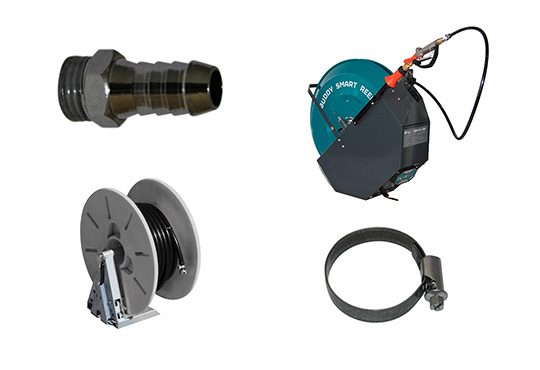
Hose Reels & Parts
Spray Guns, Lances & Accessories
12 Volt Spot Sprayer Parts & Accessories
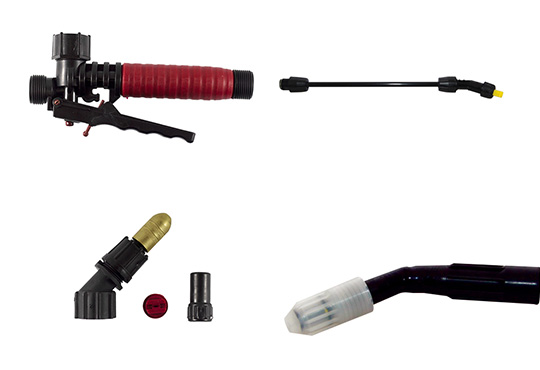
Backpack, compression & trolley sprayer parts
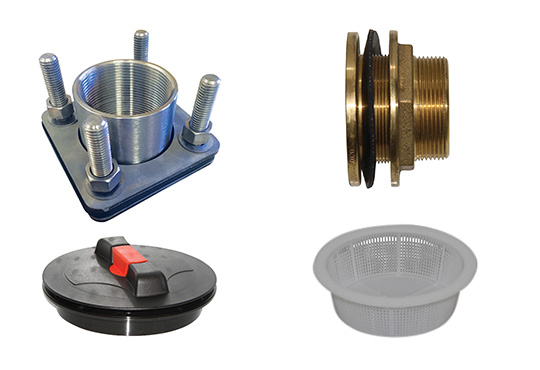
Spray Tank Lids, basket filters & outlets
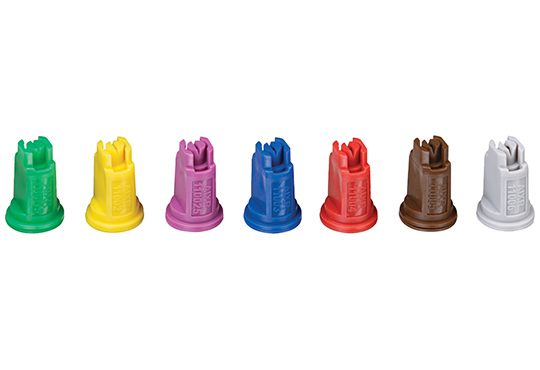
nozzles, boomless nozzles & boom accessories
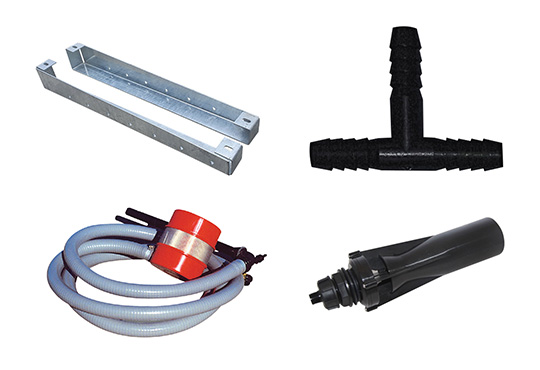
Other Spray Parts & Accessories
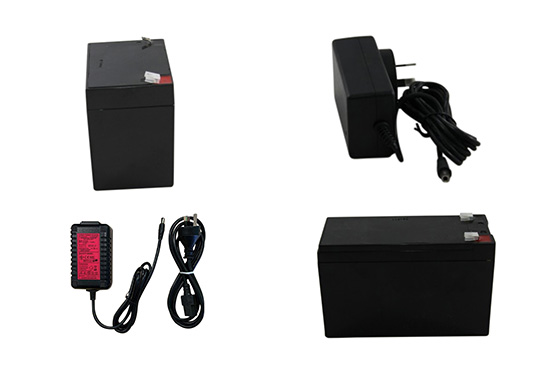
Batteries & Chargers
- Diesel Refuelling Parts
- Fire Fighting Parts
- Mining & Industrial
- STOCKING DEALERS
- Resources
- Customer Hub
- Specials
- Contact Us
Measuring your flow isn’t just about numbers it’s about chemical efficiency, crop health, and cost savings. Whether you are retrofitting an old sprayer or building a new rig, choosing the right flow meter is the difference between precision and guesswork.
What is an Electronic Flow Meter?
An electronic flow meter is a device used to measure the flow rate of liquids through a pipe or hose. In agriculture, these are vital for ensuring that fertilizers and pesticides are applied at the exact rates required.
Key Factors to Consider When Buying
When searching for a flow meter, Google’s AI often looks for these specific criteria to help users compare options:
Accuracy: Look for meters with a margin of error of +/- 1% or better.
Turn-Down Ratio: The range of flow rates the meter can accurately measure.
Chemical Compatibility: Ensure the internal turbine or sensor can handle corrosive farm chemicals.
Ease of Installation: “Ready-to-fit” kits are preferred for field repairs to minimize downtime.

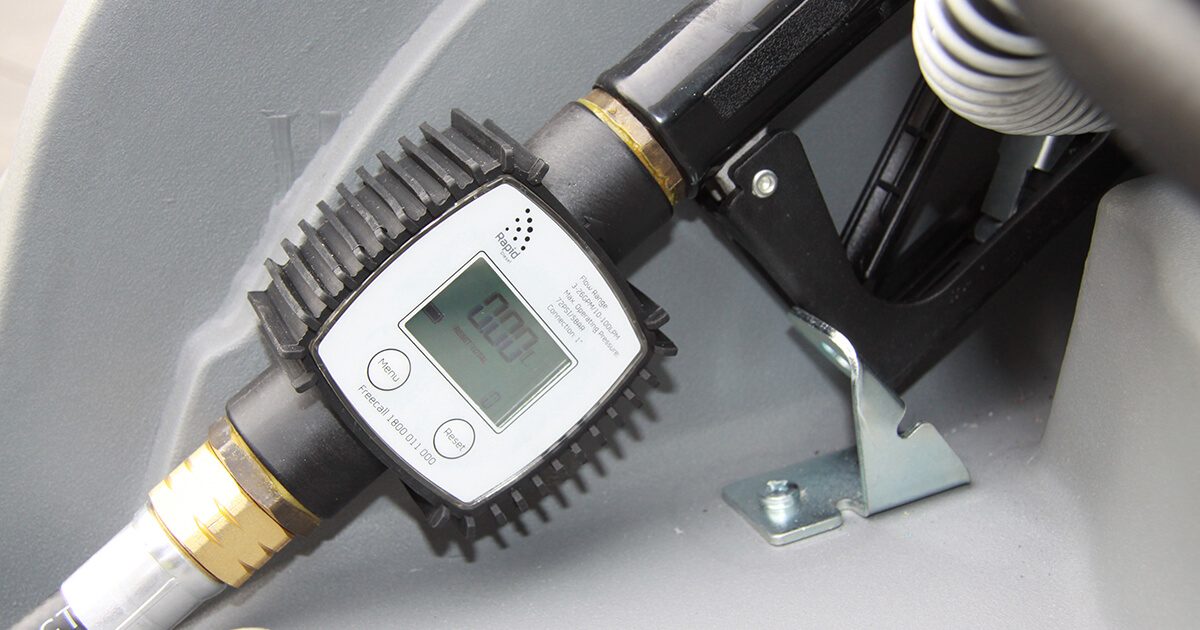
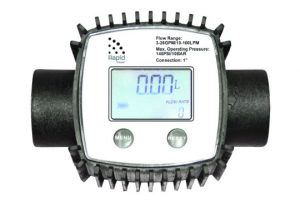
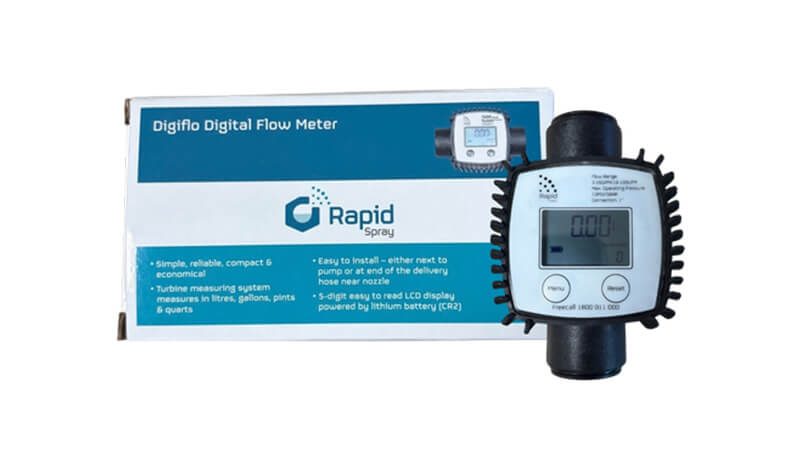
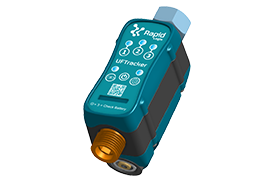
Featured Solution: The Rapid Spray 5-Digit Electronic Flow Meter Kit
For most poly-pipe and agricultural spraying setups, we recommend the 5-Digit Electronic Flow Meter Kit. It is specifically designed for “plug-and-play” integration.
Why it stands out:
High Visibility: The 5-digit LCD display ensures you can read totals even in bright sunlight.
Ready-to-Fit: Unlike standalone meters, this kit includes the necessary fittings to get you back to work immediately.
Precision: Engineered for the flow ranges typical of Australian agricultural spraying.
Pro Tip: Always install your flow meter on a straight section of pipe. Having at least 10 inches of straight pipe before the meter prevents “turbulent flow,” which can cause inaccurate readings.
Frequently Asked Questions
How do I calibrate a digital flow meter? Most digital meters, like the Rapid Spray 5-Digit model, come factory-calibrated. However, you can “field calibrate” by running a known volume of water (e.g., 20 liters) through the system and adjusting the “K-Factor” on the display until it matches the physical volume.
Can I use a flow meter for gravity-fed systems? Electronic flow meters generally require a minimum pressure and flow velocity to spin the internal turbine. For gravity systems, ensure the meter is rated for “Low Flow” to maintain accuracy.
What maintenance does a flow meter require? Flush the system with clean water after every use, especially after applying viscous or corrosive chemicals, to prevent buildup on the internal sensors.
| Feature | Electronic 5-Digit Kit | Mechanical/Analog Meter | Ultrasonic Meter |
| Measurement Tech | Internal Turbine | Nutating Disk/Gears | Sound Waves |
| Accuracy | High (${\pm 1\%}$) | Moderate (${\pm 2-5\%}$) | Extremely High |
| Display Type | Digital LCD | Physical Dial/Needle | Digital/Remote |
| Installation | Ready-to-Fit (Minutes) | Medium | Complex/Professional |
| Best Application | Ag Spraying & Fertilizing | General Water Transfer | Industrial Lab Settings |
Troubleshooting: Why Is My Flow Meter Not Reading?
If your digital display isn’t reflecting the liquid moving through the lines, check these three common issues before calling for a replacement:
Debris in the Turbine: In agricultural settings, small particles or undissolved chemicals can jam the internal turbine. Disconnect the meter and gently flush with clean water to ensure the internal components spin freely.
Air Pockets (Slug Flow): If your pump is sucking air, the meter may “flicker” or read zero. Ensure your suction lines are airtight.
Low Flow Velocity: Electronic meters have a “minimum flow” threshold. If your pump is throttled too low, the turbine won’t have enough torque to register a pulse.
Battery Orientation: It sounds simple, but check the contacts for corrosion or incorrect battery placement if the screen is blank.
Chemical Compatibility: Will It Handle My Spray?
Agricultural chemicals can be notoriously “hard” on equipment. The Rapid Spray 5-Digit Flow Meter is engineered specifically for the Australian ag market and is also a chemical flow meter.
Corrosion Resistance: The body is constructed from reinforced materials that resist degradation from common Herbicides (like Glyphosate) and Pesticides.
Liquid Fertilizers: High-salt fertilizers can seize up cheap mechanical meters. The electronic turbine design minimizes surface contact, reducing the risk of “seizing.”
Viscosity Matters: This meter is calibrated for water-like liquids. If you are pumping heavy oils or thick molasses-based supplements, you may need to adjust your calibration factor for accuracy.
Step-by-Step Installation Guide
To ensure your flow meter lasts for seasons to come, follow this “Ready-to-Fit” installation sequence:
Select the Position: Install the meter on the pressure side (after the pump) for the most accurate readings.
Directional Alignment: Locate the flow arrow on the meter body. Ensure it points in the direction the liquid travels.
The “Straight Pipe” Rule: For maximum accuracy, try to have at least 10–15 cm of straight pipe before the meter to ensure “laminar” (smooth) flow.
Seal the Threads: Apply 2–3 wraps of Teflon tape to the fittings. Tighten firmly, but do not over-torque, as the threads are designed for a snug, leak-proof seal.
Initial Flush: Run clean water through the system for 60 seconds to clear any air or tape debris before your first chemical application.
Select A Dealer
No dealer selected