- Products
- Parts
- Parts Kits
- Tank Parts
- Spray Equipment
12V Pumps, parts & accessories
Engine & PTO Drive Pumps, parts & accessories
Hose Reels & Parts
Spray Guns, Lances & Accessories
12 Volt Spot Sprayer Parts & Accessories
Backpack, compression & trolley sprayer parts
Spray Tank Lids, basket filters & outlets
nozzles, boomless nozzles & boom accessories
Other Spray Parts & Accessories
Batteries & Chargers
- Diesel Refuelling Parts
- Fire Fighting Parts
- Mining & Industrial
- STOCKING DEALERS
- Resources
- Customer Hub
- Specials
- Contact Us
When protecting an Australian rural property or farm from bushfires, having reliable firefighting equipment ready to go can make a major difference. Two popular options are ute-mounted slip-on fire units and towable firefighting trailers.
But which one is right for your property?
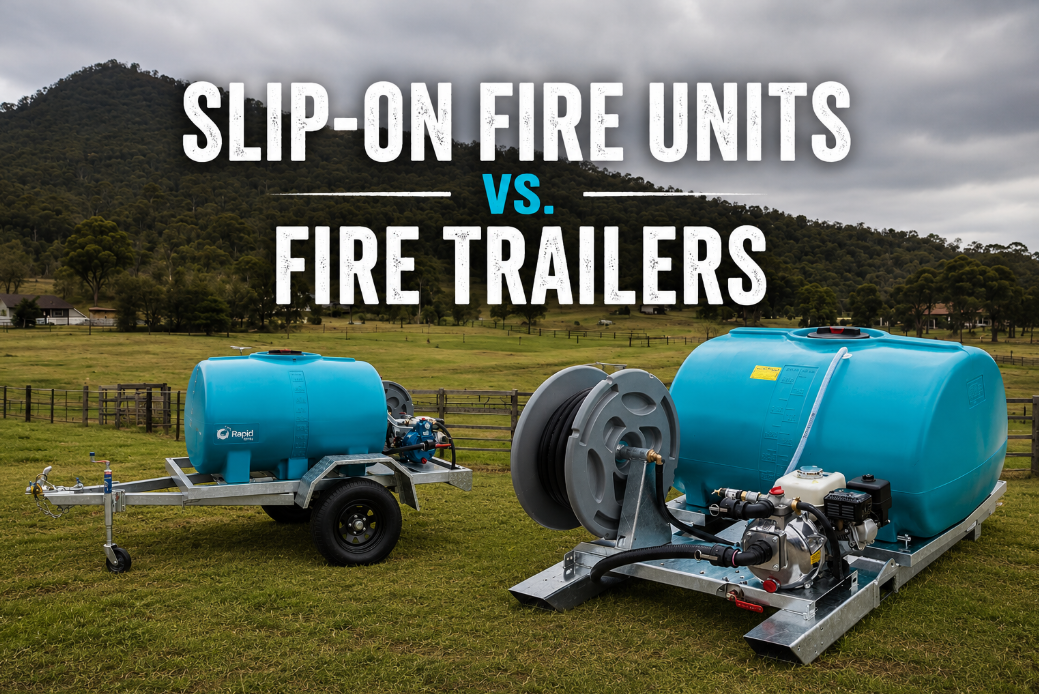
The best choice depends on your terrain, available vehicles, required water capacity and how you plan to use the unit. Ute slip-on units are generally better suited to steep, narrow or difficult terrain, while firefighting trailers are ideal when higher water capacity and longer operating times are the priority.
In this guide, we compare the two options to help you decide which firefighting setup best suits your farm.
Quick Comparison: Slip-On Units vs. Fire Trailers
Ute Slip-On Fire Units
- Ute Slip-On Fire Units
- Approximately 250L to 800L
- Excellent for steep, narrow and rough terrain
- Requires a suitable ute, UTV or tray
- Lower water capacity but highly mobile
- Mounted on the vehicle when in use
- Â Best for fast response and difficult terrain
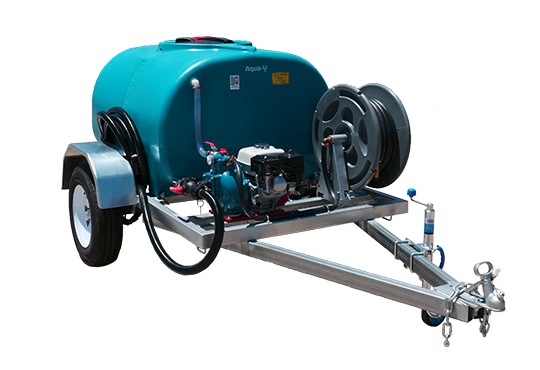
Towable Firefighting Trailers
- Approximately 1,000L to 2,000L+
- Best suited to open paddocks and accessible tracks
- Requires a suitable tow vehicle
- Higher water capacity for longer operating times
- Can remain stored and ready to tow
- Best for larger properties and extended firefighting
Option 1: Ute Slip-On Fire Units


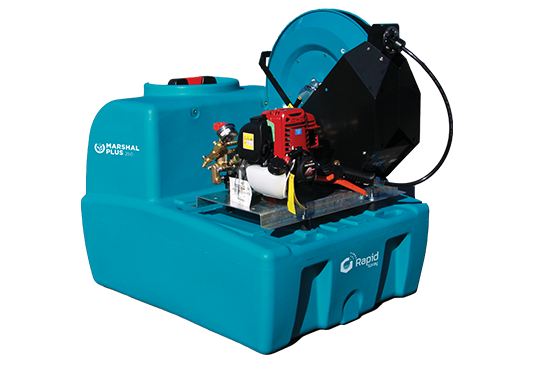
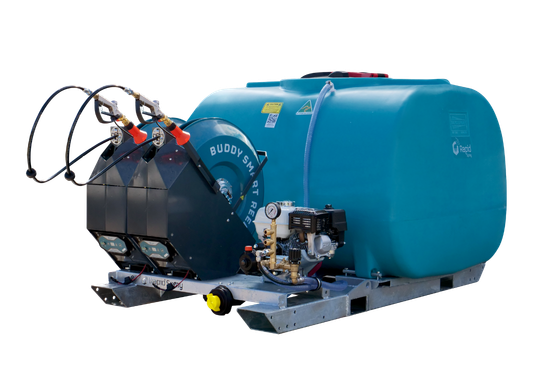
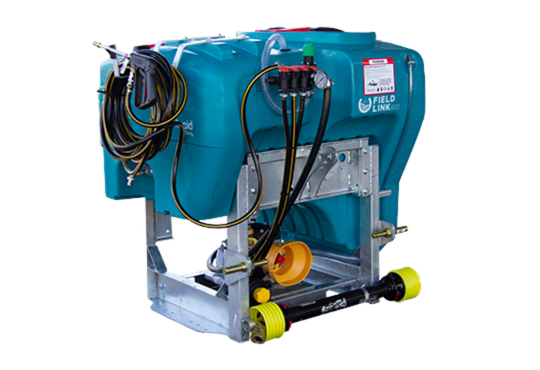
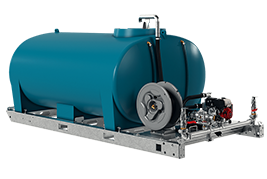
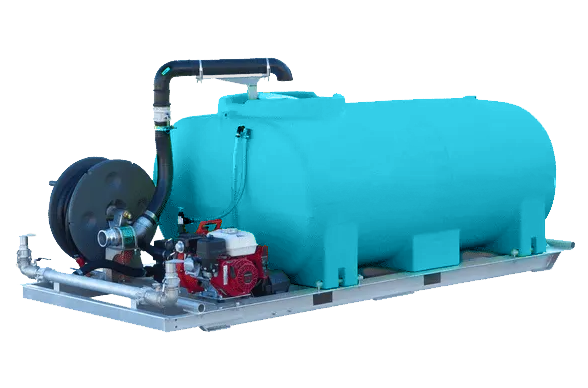
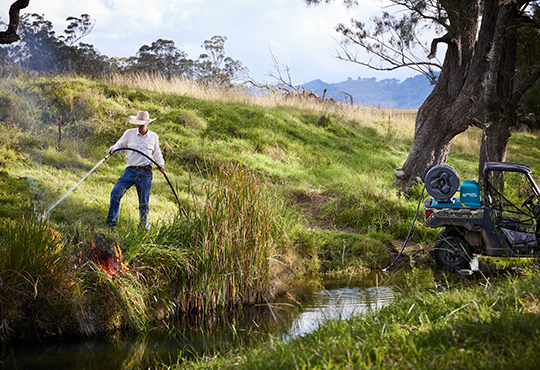
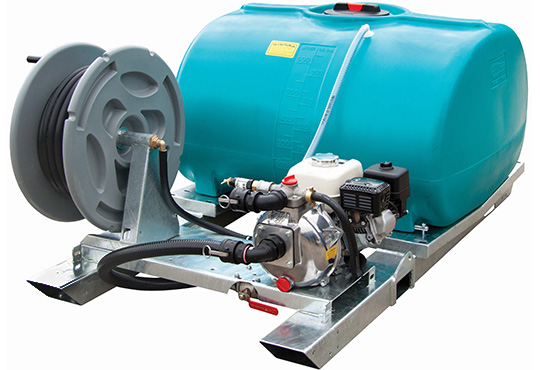
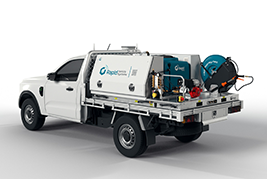
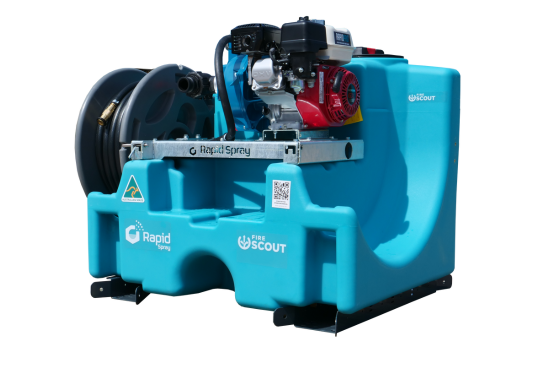
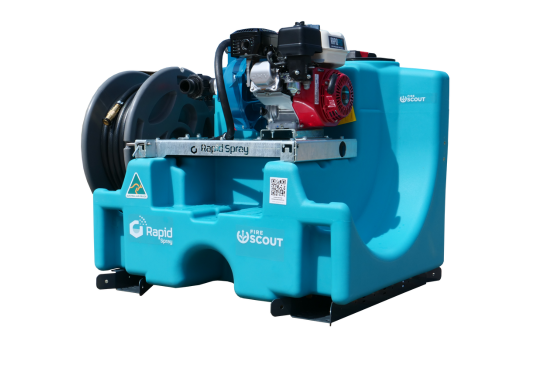
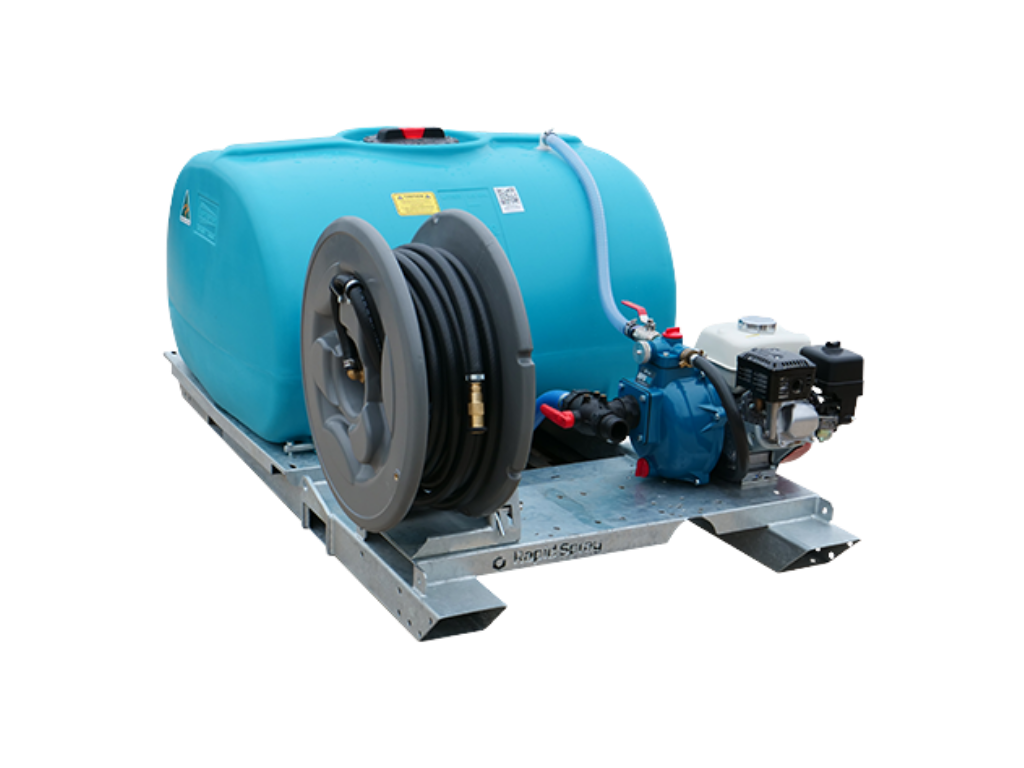
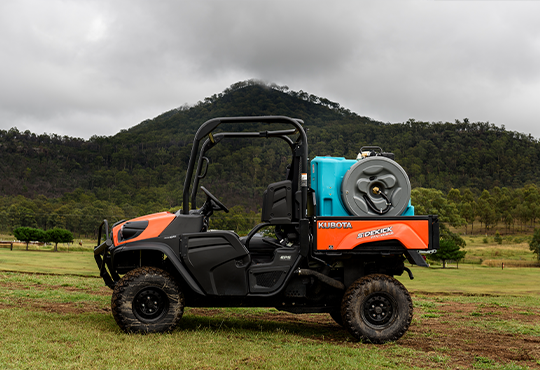
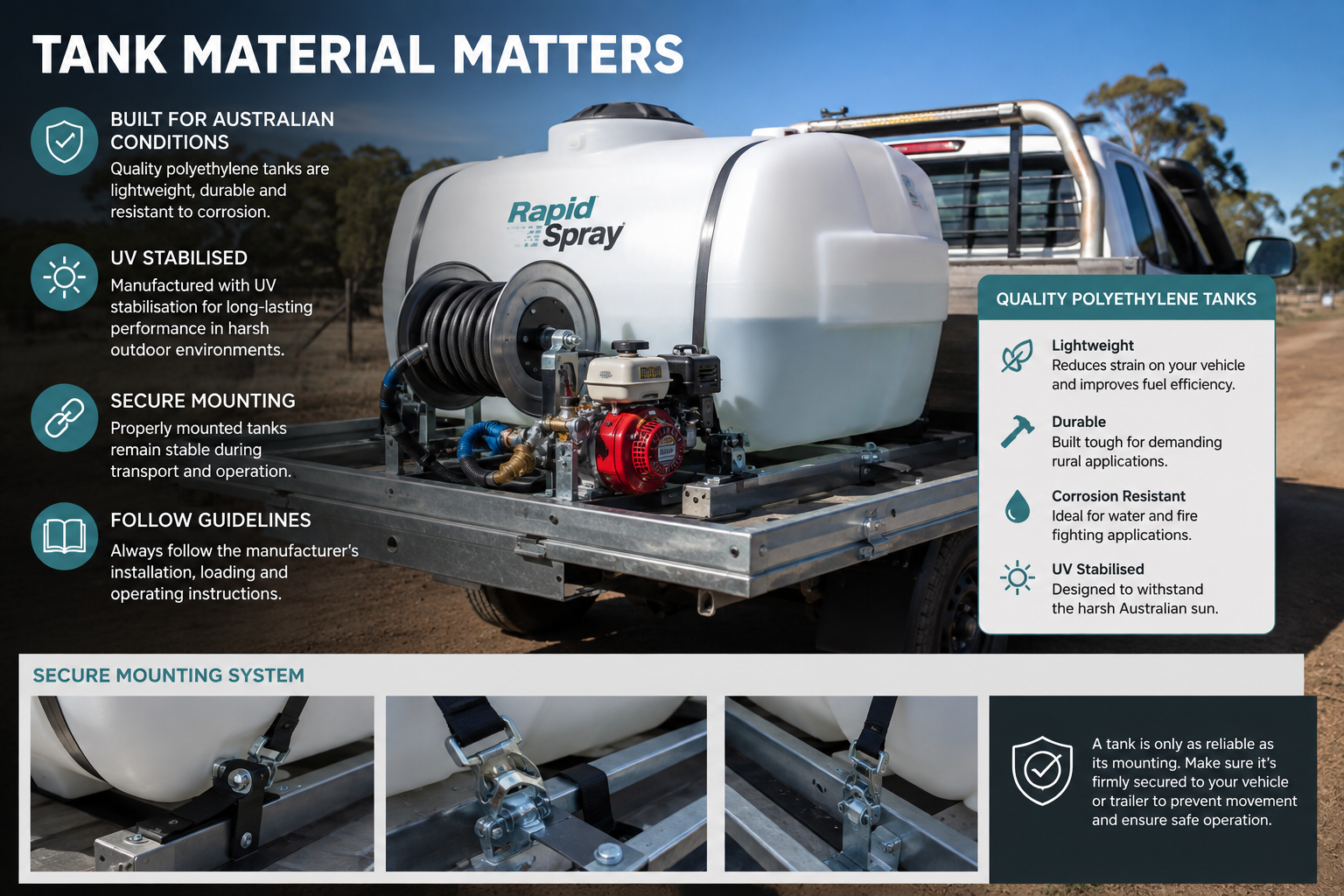
Ute slip-on firefighting units, sometimes called skid-mounted units, are designed to sit directly on the tray of a ute, UTV or suitable trailer.
One of their biggest advantages is mobility. Because the tank and firefighting equipment are carried directly by the vehicle, there is no trailer following behind. This can make it easier to navigate narrow fire trails, steep sections of property and areas with limited turning space.
For farms with challenging terrain, this can be particularly useful. A mobile firefighting unit can be driven closer to areas that may be difficult to access with a larger trailer.
This type of mobility is also useful for a range of agricultural applications where equipment needs to move around different areas of a property. You can learn more about different agricultural spraying setups in our guide to Agricultural Spraying Equipment.
Compact and easy to deploy
Smaller units can be suitable for UTVs and compact farm vehicles, while larger slip-on systems provide additional water capacity for larger utes.
For example, the Rapid Spray Fire Marshal range provides compact firefighting options for vehicles where space and manoeuvrability are important.
A slip-on unit can also be ready to use as soon as the vehicle is started and driven into position. There is no need to connect a trailer before responding to an incident.
What are the disadvantages?
The biggest limitation of a slip-on unit is the amount of water the vehicle can safely carry.
Water is heavy, with one litre weighing approximately one kilogram. As tank capacity increases, the combined weight of the tank, water, pump and equipment can quickly approach the vehicle’s payload limits.
For this reason, it is important to check your vehicle’s payload capacity, GVM and the manufacturer’s recommendations before selecting a tank size.
A permanently mounted unit also occupies the ute tray, which may reduce the vehicle’s usefulness for everyday farm work.
Option 2: Towable Firefighting Trailers


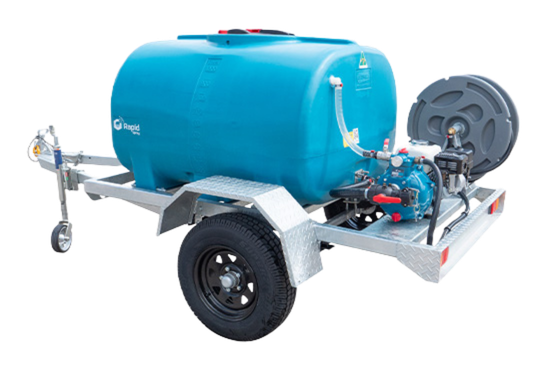
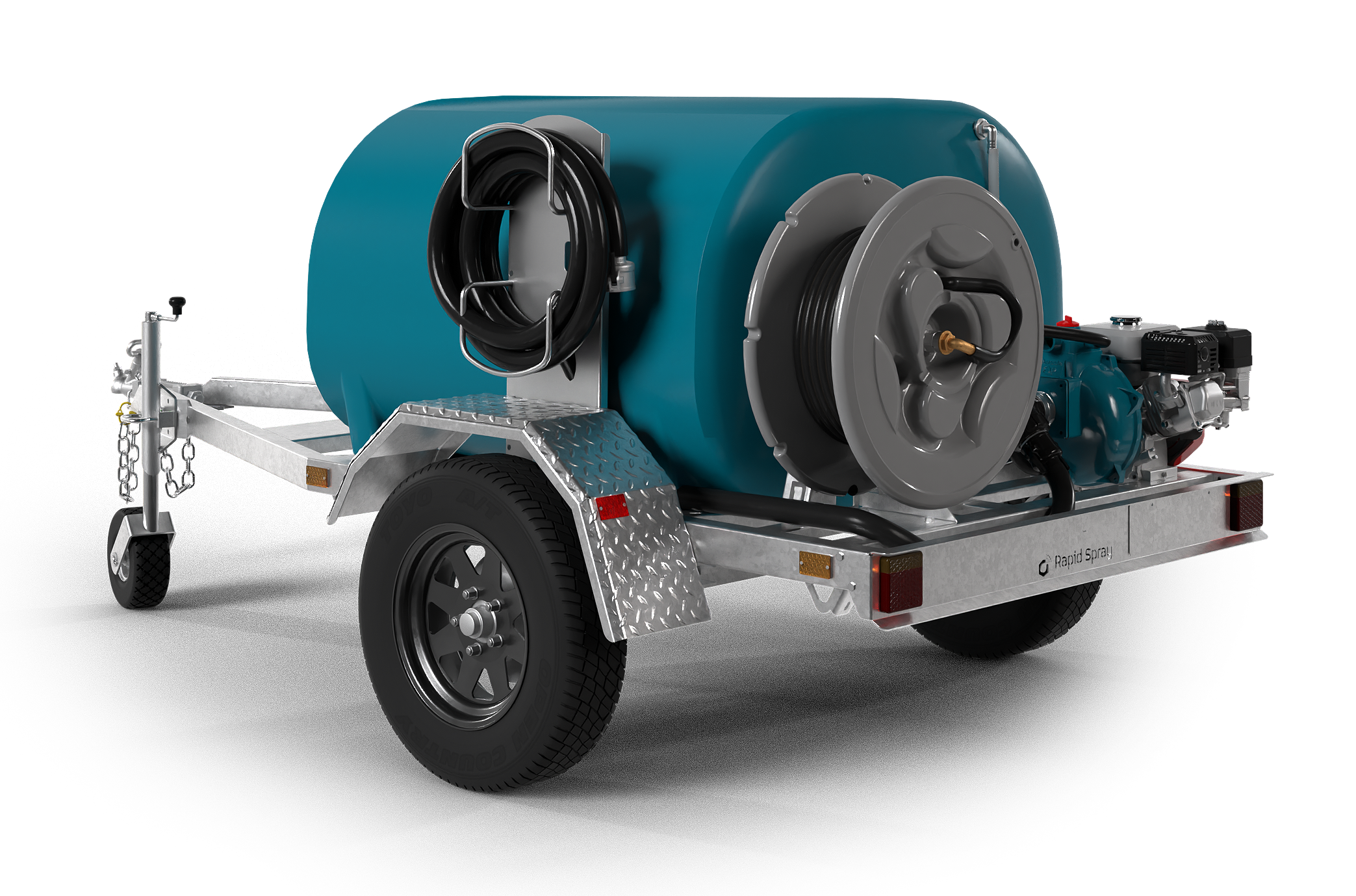
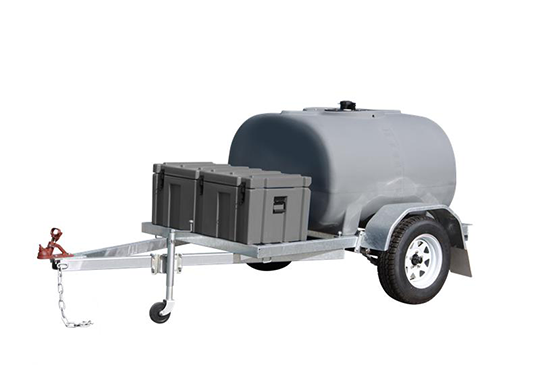
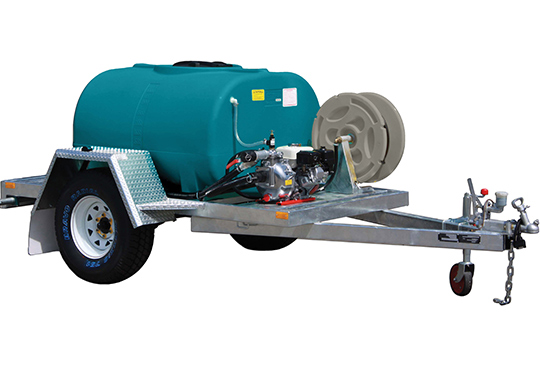
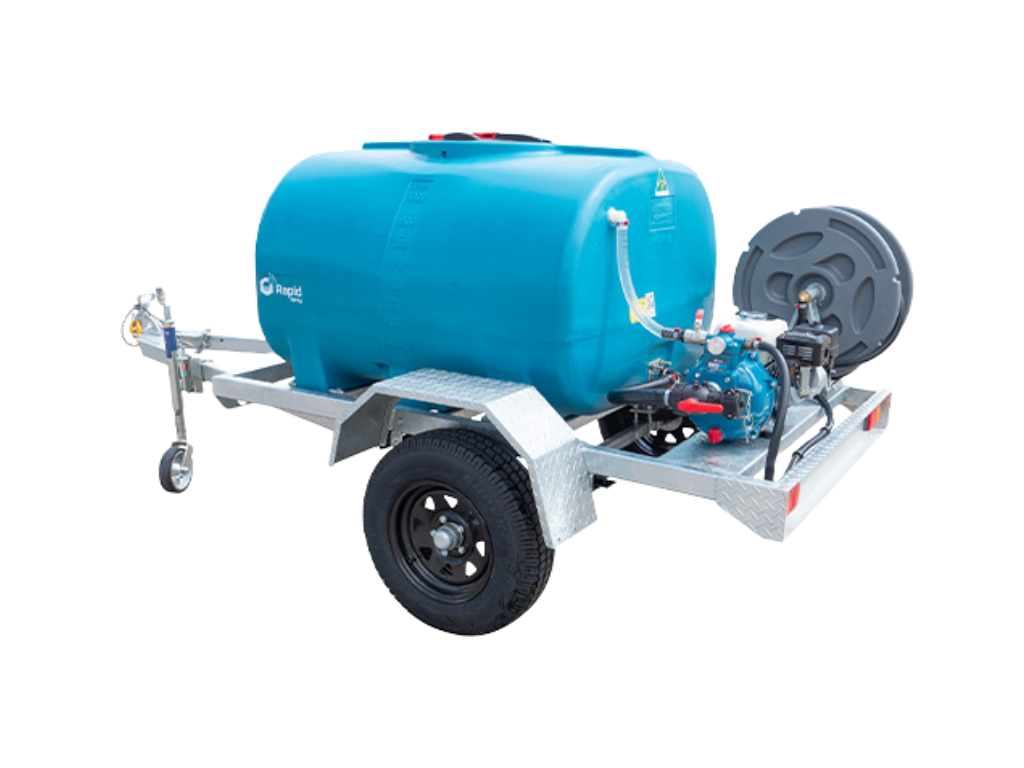
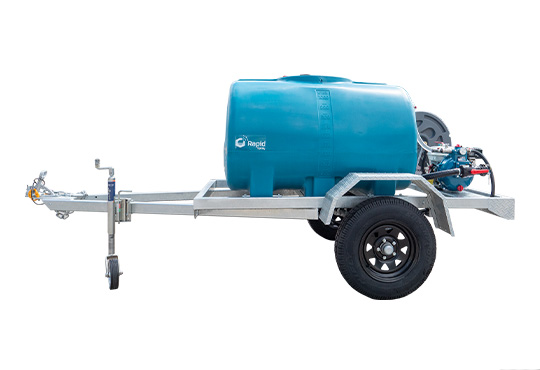
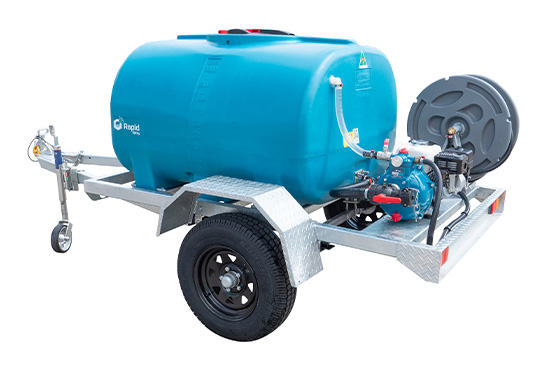
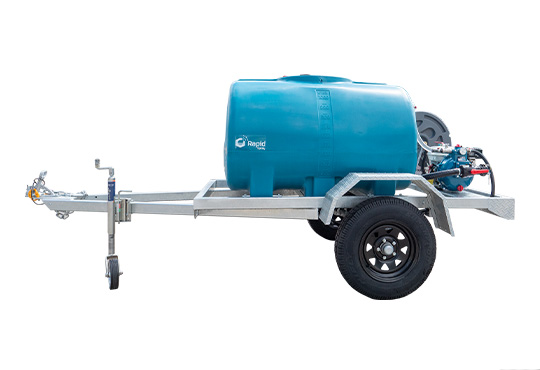
Firefighting trailers provide another practical solution for rural properties, particularly where a larger water supply is required.
Unlike a slip-on unit, the firefighting equipment is carried on its own trailer. This allows the trailer to carry a larger volume of water without placing all of the weight on the ute itself.
For larger farms and properties with long fence lines, paddocks or multiple buildings to protect, the additional water capacity can provide longer operating times before the tank needs to be refilled.
More water for longer operating times
A major advantage of a firefighting trailer is its capacity.
Larger tanks can provide a substantial water reserve, which can be particularly useful when the nearest dam, tank or other water source is a long distance from the area being protected.
A trailer can also be stored in a shed or designated area while remaining prepared for use during periods of high fire risk. When required, it can be connected to a suitable tow vehicle and transported to the required location.
This also means your ute tray remains available for other farm equipment, tools or supplies.
What are the disadvantages?
The main disadvantage of a firefighting trailer is manoeuvrability.
Towing a large tank of water can make navigating steep slopes, tight tracks and rough terrain more difficult. A trailer also requires additional space to turn and manoeuvre.
For properties with narrow tracks or difficult terrain, a ute-mounted unit may therefore be more practical.
Before towing any firefighting trailer, always make sure the vehicle, trailer and hitch are suitable for the load and comply with relevant Australian road and towing requirements.
Choosing the Right Pump and Firefighting Equipment
Whether you choose a slip-on unit or a firefighting trailer, the tank is only one part of the system.
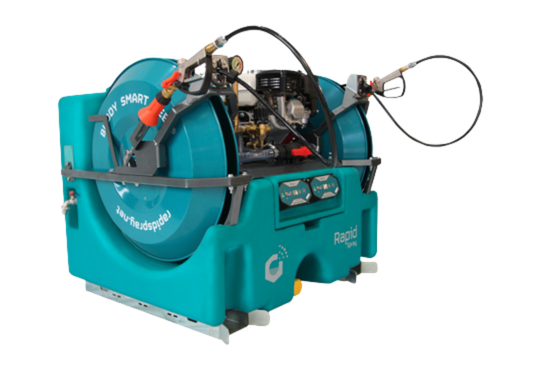
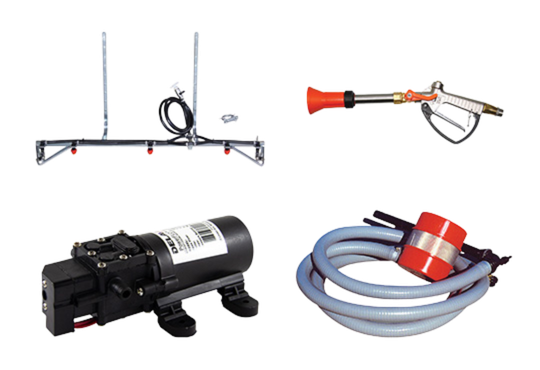
The pump, engine, hose, nozzle and firefighting equipment all contribute to how effectively the unit can deliver water.
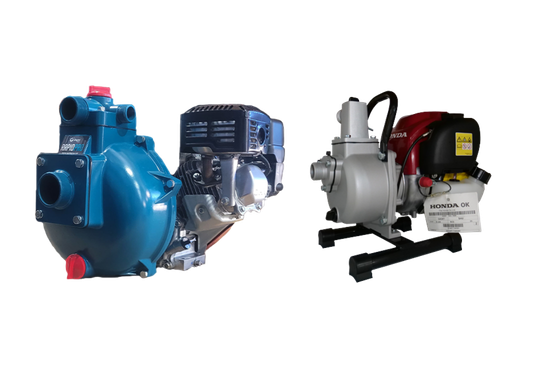
A reliable petrol engine and appropriately sized pump are particularly important when fast water delivery is required.
High-flow firefighting pumps can move significant volumes of water, helping operators deliver water over greater distances and cover larger areas.
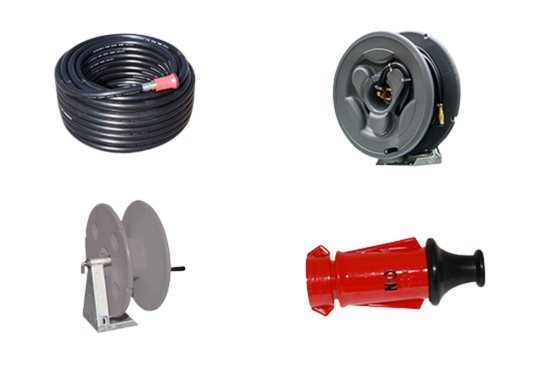
The hose reel and hose configuration are also important. A suitable hose setup allows the operator to position themselves safely while directing water towards the area that needs protection.
This same principle applies across many agricultural spraying systems, where pump performance, pressure and application equipment all need to work together. Our guide to Boom Sprayers provides more information on how spraying equipment is configured for agricultural applications.

Which Firefighting Unit Should You Choose?
There isn’t one firefighting unit that is best for every farm.
The right choice depends on your property, vehicle and firefighting requirements.
Choose a Ute Slip-On Fire Unit If:
A ute slip-on unit is generally the better choice if your property has steep hills, narrow fire trails, dense vegetation or difficult terrain.
It is also a strong option if you need a firefighting unit that can respond quickly and move easily around the property.
If you already have a suitable ute or UTV that can remain equipped during periods of high fire risk, a slip-on system can provide a convenient mobile firefighting solution.
Choose a Firefighting Trailer If:
A firefighting trailer is generally the better option if your property has open paddocks, accessible tracks and a greater need for water capacity.
The additional tank capacity can provide longer operating times and reduce the number of trips required to refill the tank.
A trailer is also useful when you want to keep your ute available for other farm duties while maintaining a dedicated firefighting asset.
Slip-On or Trailer: The Final Decision
For mobility and difficult terrain, a ute-mounted slip-on firefighting unit is often the better choice.
For larger water capacity and longer operating times, a towable firefighting trailer may be the better solution.
Before choosing a unit, consider your property’s terrain, the distance to your nearest water source, your vehicle’s payload or towing capacity, and how quickly you need to deploy the equipment.
The most important thing is to have a suitable firefighting system prepared before it is needed.
Ready to Protect Your Property?
Explore Rapid Spray’s firefighting equipment to find mobile firefighting solutions designed for Australian agricultural and rural applications.
Whether you need a compact ute-mounted unit or a higher-capacity firefighting trailer, choosing the right equipment can help you prepare your property for the challenges of bushfire season.
Select A Dealer
No dealer selected