


Home > Weed Control & Spraying Systems > How to Spray Blackberries Effectively with the Right Weed Sprayer

How to Spray Blackberries Effectively with the Right Weed Sprayer

Blackberries are one of Australia’s most aggressive invasive weeds, spreading rapidly across paddocks, fence lines, and waterways. Left untreated, dense infestations can restrict access, reduce pasture productivity, and harbour pests.

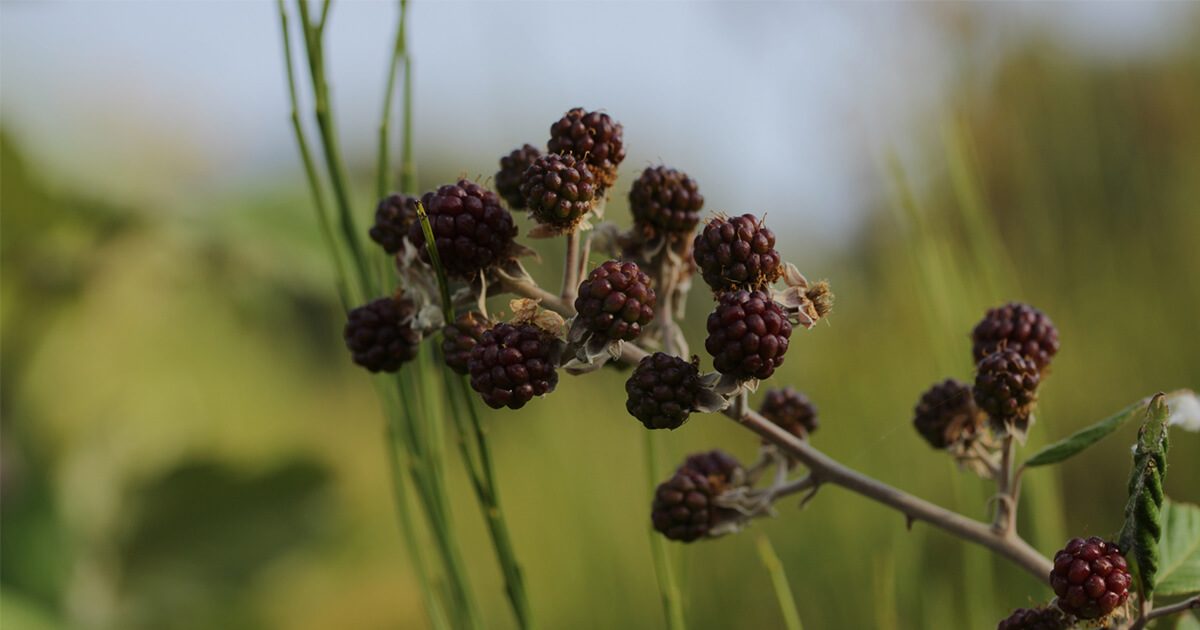
Dense blackberry weed infestation showing thorny bramble growth spreading across paddock and fence line, highlighting invasive blackberry control problem in Australia.

Blackberry infestations are more than an eyesore — they’re a multi-million dollar threat to Australian agriculture. From the Victorian Highlands to the hills of Western Australia, Rubus fruticosus (European Blackberry) is listed as a Weed of National Significance for good reason. Once these thorny thickets take hold, they choke out native vegetation, shelter feral pests like rabbits and foxes, and render valuable grazing land useless.

The good news? With the right strategy and the right gear, you can reclaim your land. This guide covers everything you need to know about how to spray blackberries effectively — from understanding the plant’s biology to selecting the best weed sprayer for your property.

Why Blackberries Are So Hard to Kill

Many landowners spray once, watch the leaves turn brown, and assume the job is done. It isn’t. Blackberry is a perennial woody weed with a large underground energy reserve, and understanding how it survives is key to controlling it.
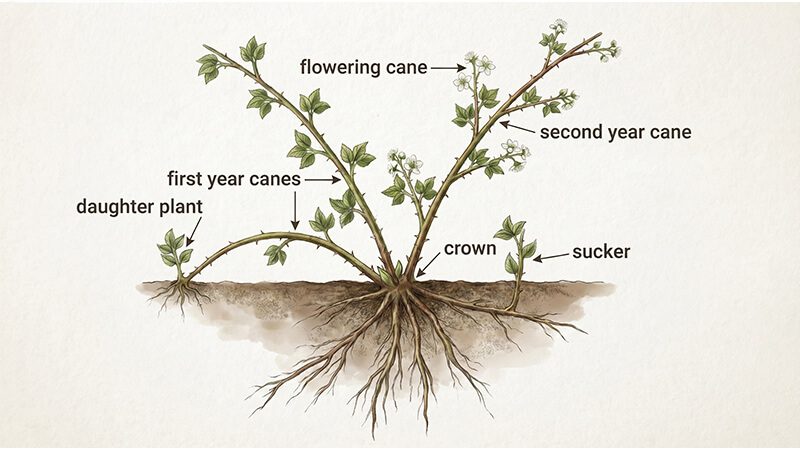
The Crown: The underground crown is the heart of the plant. If your herbicide doesn’t reach it, the plant will simply re-sprout. This is why surface misting is never enough — you need a high-pressure application that saturates the entire plant right down through the canes.

Tip-Rooting: Blackberry canes can grow several metres long. When the tip touches soil, it develops a new root system — creating a “walking” effect that spreads infestations across your paddock without any help from seeds.

The Seed Bank: Birds love blackberry fruit and spread seeds along fence lines and beneath trees, meaning new seedlings can emerge years after you’ve cleared the main patch. A once-off spray won’t address this; you need a long-term management plan.

blackberry weed plant parts diagram

The Best Time to Spray Blackberries in Australia

Timing is the single most important factor in herbicide efficacy. To maximise kill rates, you want to spray when the plant is actively moving nutrients downward toward its roots — not upward to grow new leaves.
SeasonPlant ActivitySpraying Effectiveness
SpringPushing energy upward for new leaf growthPoor — results in top-kill only; roots survive
Summer to Early Autumn (Jan–Mar)Storing energy downward for winterExcellent — systemic herbicides travel to the root crown
Late Autumn / WinterDormant; leaves yellowing or droppingPoor — plant stops absorbing; chemical is wasted

January to March is the golden window for blackberry control in Australia. The plant has finished flowering, is actively storing energy for winter, and is most susceptible to systemic herbicides.

Expert tip: Never spray blackberries covered in dust (common on roadside tracks) or stressed by extreme heat. The plant closes its leaf pores to conserve water, which prevents herbicide from entering. Wait for a mild, overcast day with no rain forecast for at least 4–6 hours.

Choosing the Right Weed Sprayer for Blackberries

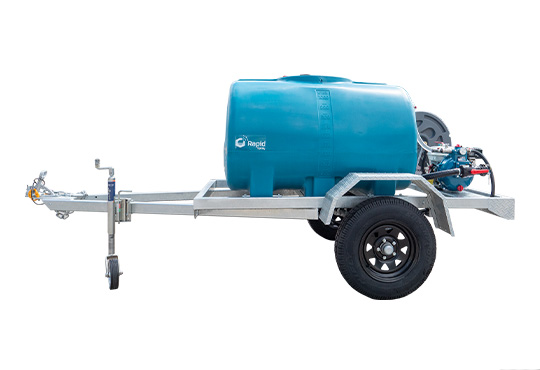
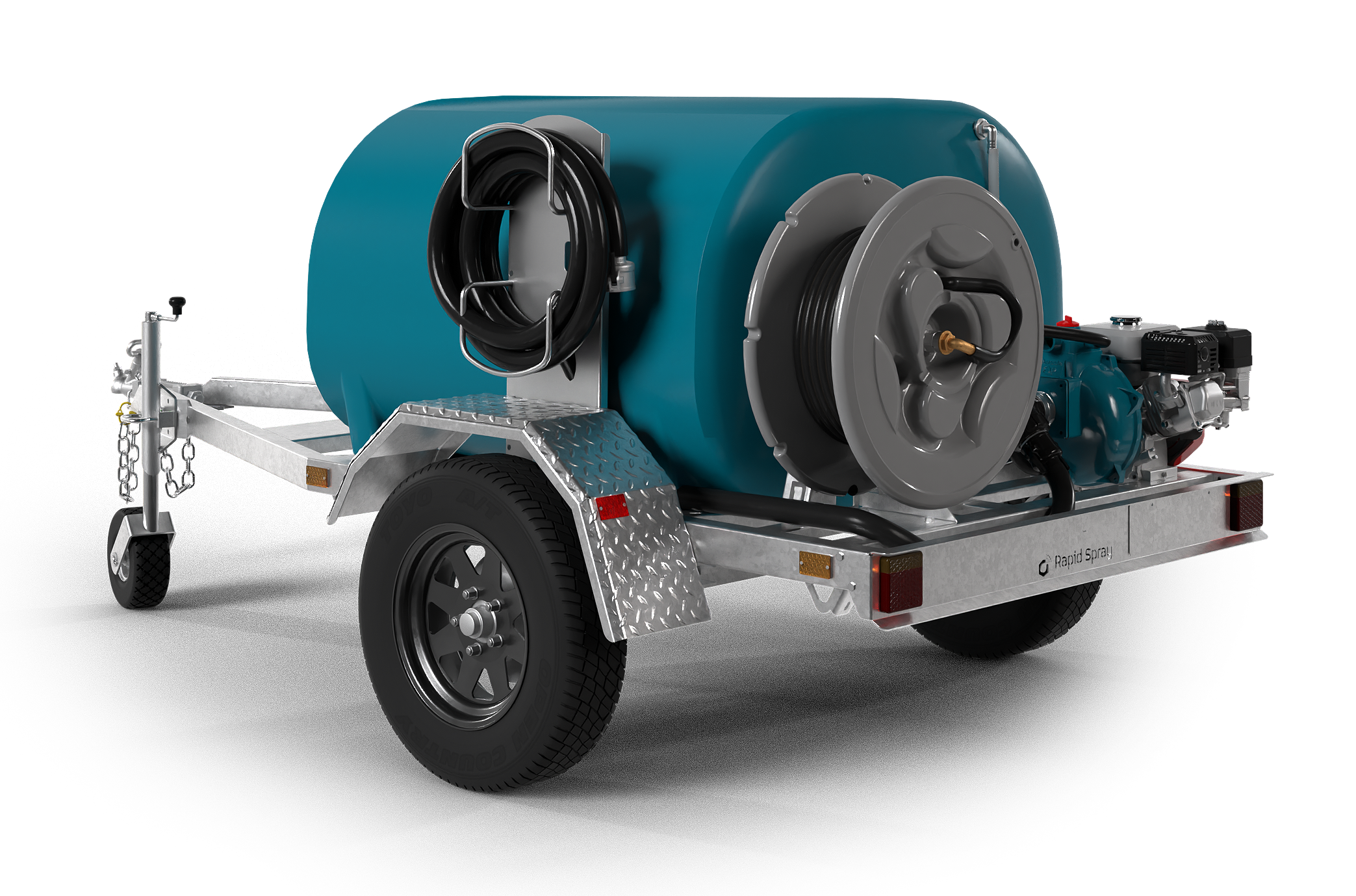
Not all sprayers are up to the task. To kill blackberries effectively, you need pressure to penetrate dense thickets and volume to drench canes thoroughly. Here’s how to match your Rapid Spray unit to your property.

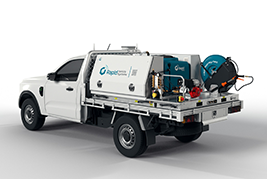
Option 1: The SprayScout

Best for Professional Producers
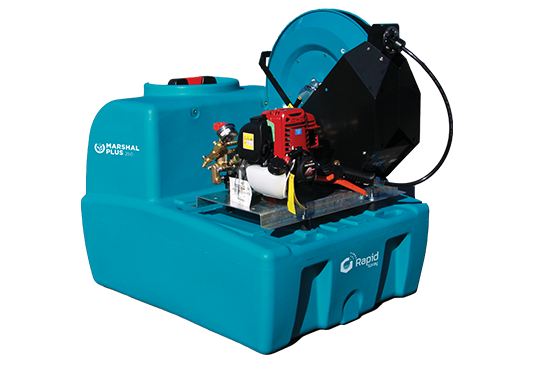
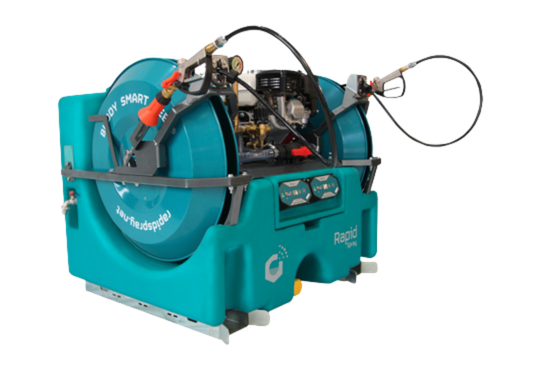
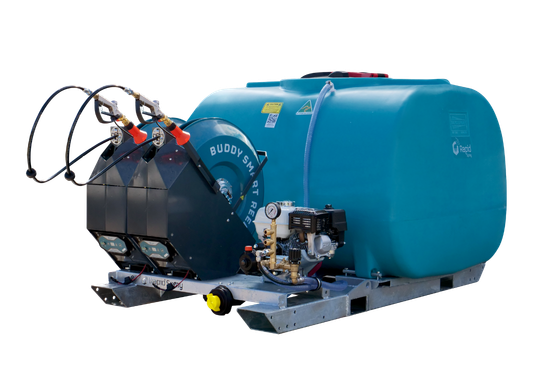
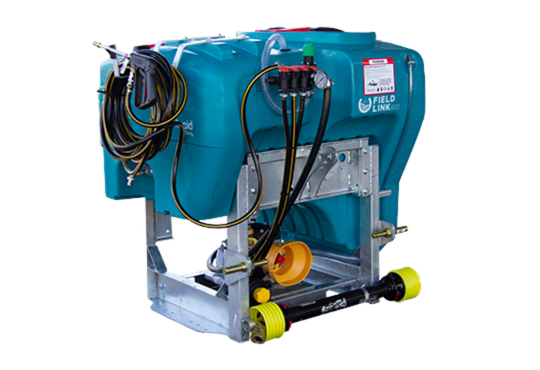
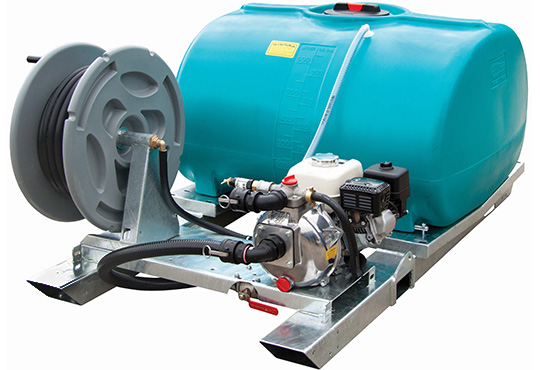
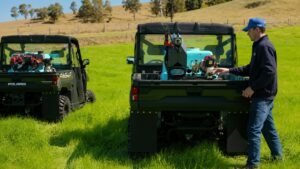
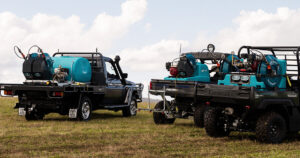
The SprayScout Ute and UTV Sprayer is the gold standard for serious blackberry control on farms and large rural properties.

  • Designed for hilly terrain: Mounts to the tray of a 1-tonne ute or UTV, keeping your centre of gravity low on steep country — exactly where blackberries love to grow.
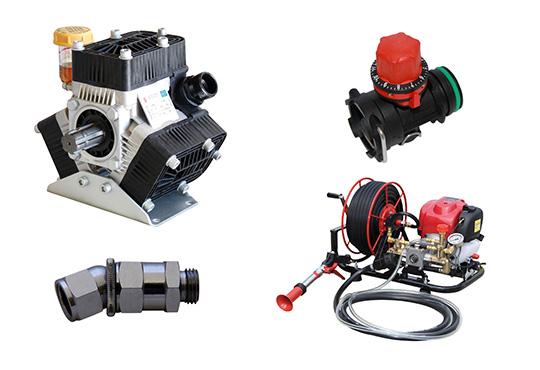
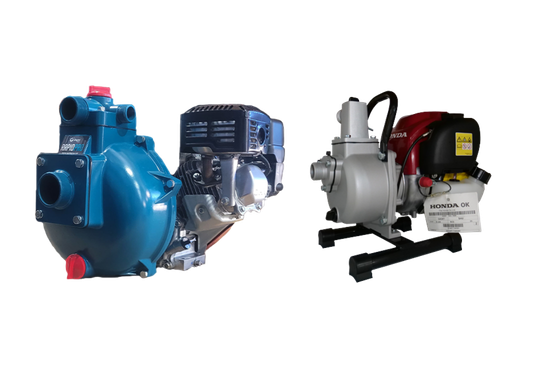
  • High-pressure Maruyama pumps: Delivers the punch needed to drive chemical into the centre of a 2-metre-high thicket. Light-duty pumps simply won’t cut it.
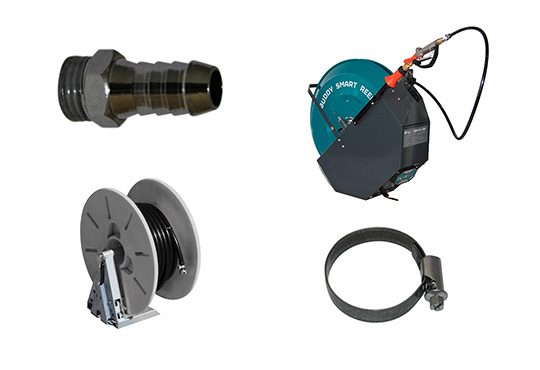
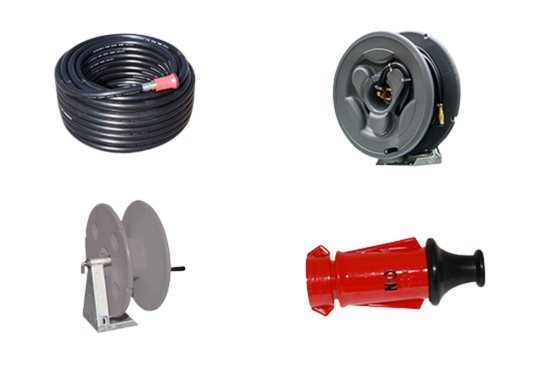
  • Buddy Smart Reel: Dragging 50 metres of heavy hose through thorns is exhausting and time-consuming. The Smart Reel’s remote-controlled power rewind lets you focus on the weeds, not the hose. Less fatigue means more ground covered per day.
  • Best for: Farm producers, large infestations, rough and hilly terrain.
 

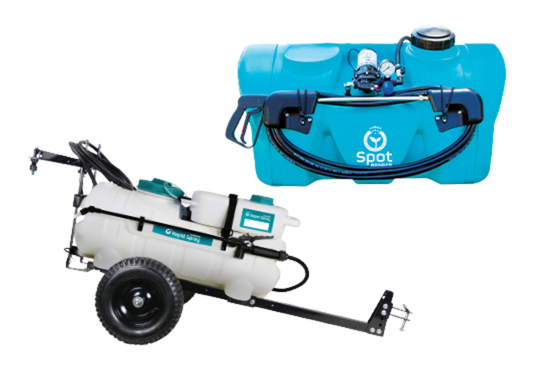
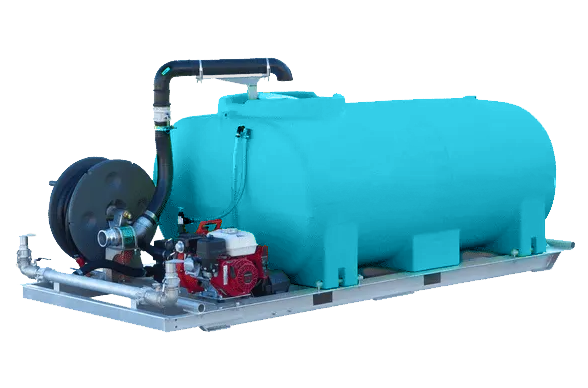
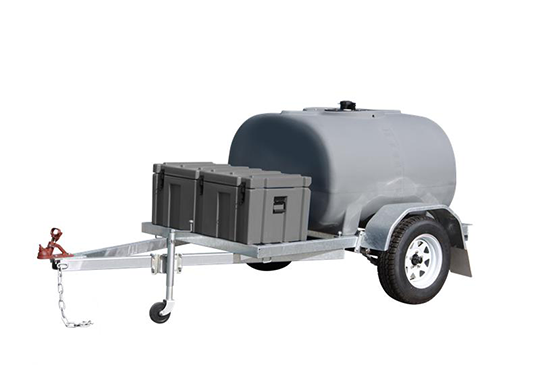
Option 2: UTV Trailers 

Best for Large-Scale, Scattered Infestations
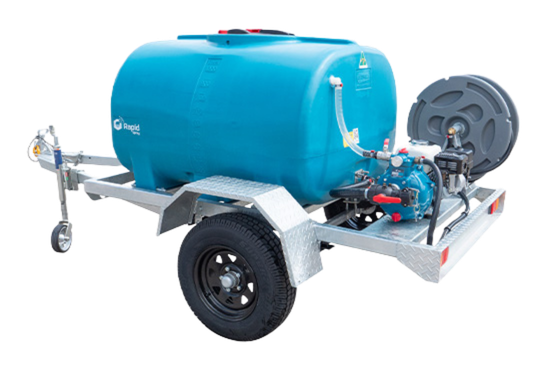
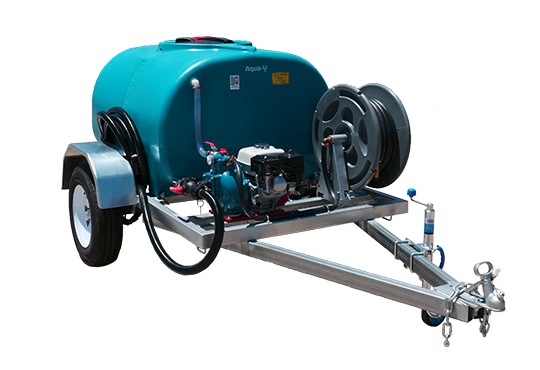
When blackberries are spread across hectares of open country, you need the capacity to keep spraying without constant trips back to the tank.

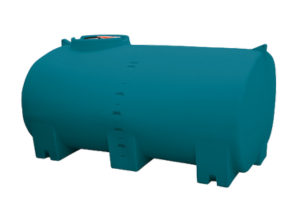
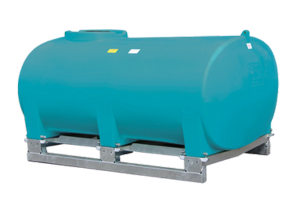
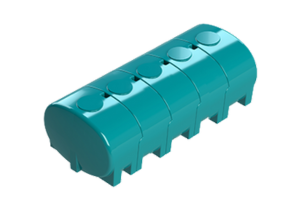
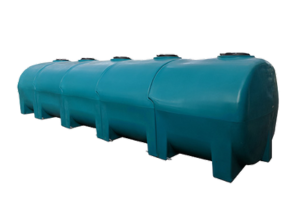
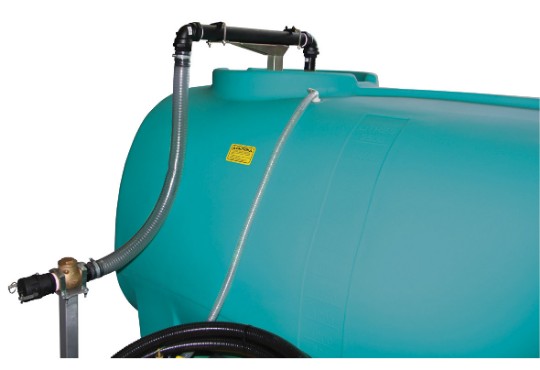
  • Up to 1,000L tank capacity: Minimises downtime and maximises the area you cover per run.
  • Built Australian tough: UV-stabilised, impact-resistant tanks with a 15-year warranty — engineered to handle our harsh sun, rocky ground, and rough tracks.
  • Best for: Large properties, broad-acre infestations, terrain accessible by tractor or UTV.
 

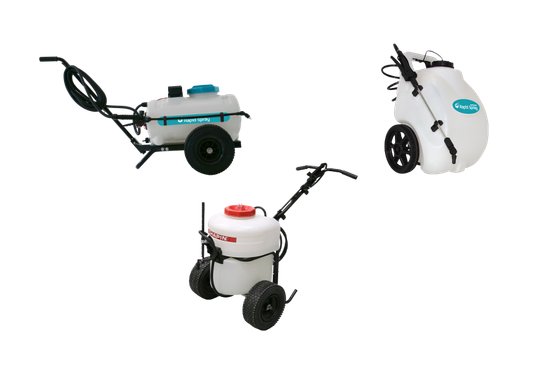
Option 3: Spot Ranger / RapidLine 12V Sprayers

Best for Spot Work and Lifestyle Blocks
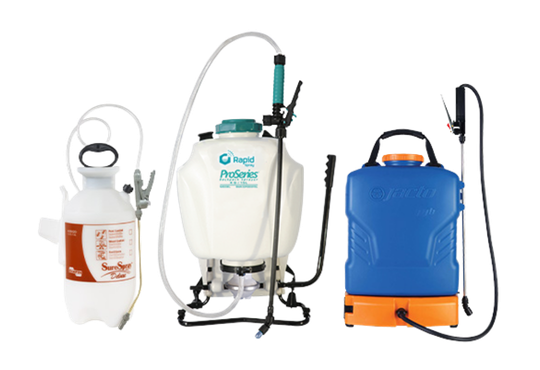
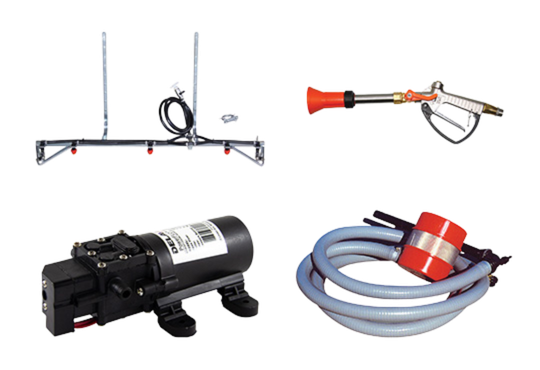
For fence lines, lifestyle blocks, or early-stage infestations where precision matters more than volume, a quality 12V spot sprayer is the right tool.

  • Targeted, controlled application: Ideal for “search and destroy” missions where you want to treat specific patches without drenching surrounding areas.
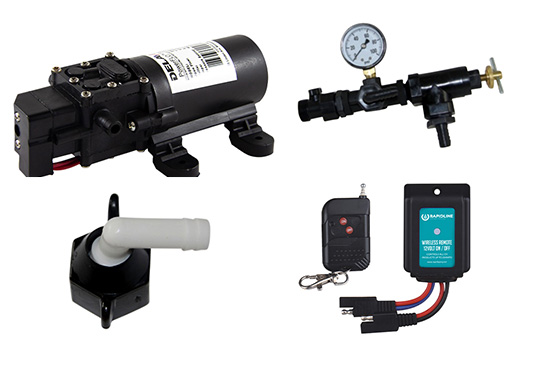
  • Built for continuous chemical use: Unlike cheap hardware-store sprayers, Rapid Spray 12V pumps are engineered for sustained use with agricultural herbicides, delivering a consistent flow rate that ensures every leaf gets a proper dose.
  • Best for: Lifestyle blocks, fence lines, spot treatment, early infestations.

Best Herbicides for Blackberry Control

The right sprayer gets the chemical where it needs to go — but choosing the right herbicide is just as important. In Australia, three main actives dominate blackberry control:


1. Triclopyr (e.g., Garlon)
Excellent for woody plants like blackberry. Often mixed with Picloram for a combined knockdown-and-residual effect — the Picloram persists in the soil to tackle regrowth while the Triclopyr delivers immediate leaf damage.


2. Metsulfuron-methyl (e.g., Brush-Off)
A very potent, slow-acting powder that’s cost-effective for large areas. Patience is required — it can take several weeks before you see the plant begin to die back, but the systemic action is thorough when applied at the right time.


3. Always add a surfactant — it’s non-negotiable
Blackberry leaves have a thick, waxy coating designed to shed water. Without a quality penetrant or wetting agent in your mix, your herbicide will bead off the leaf and hit the ground. A good surfactant dramatically improves uptake and can be the difference between a partial kill and full root death.

Water safety: If your blackberry is growing on a creek bank or near waterways, use a herbicide approved for aquatic environments (such as specific Glyphosate formulations registered for near-water use). Always check the label and your state’s chemical use regulations.

6 Expert Tips for Successful Eradication

Follow these field-tested tips to get the best results from your Rapid Spray equipment:

1. Don’t slash before spraying
It’s tempting to brush-cut a thicket to “open it up” before spraying. Resist the urge. You need the leaves intact to absorb the chemical. If slashing is necessary for access, wait for the plant to regrow to at least 1 metre before you spray.

2. Spray from the top down
Start at the top of the bush and work your way down. Don’t neglect the canes (stems) — they can also absorb herbicide and help transport it toward the crown.

3. Check the brown-out
After spraying, the plant should begin to brown off within 2 to 6 weeks. Don’t disturb or slash the plant for at least 6 months — this gives the chemical time to travel all the way to the root tips.

4. Plan for a follow-up
Expect 10–20% regrowth the following year from dormant seeds or partially treated crowns. Mark treated areas on your phone or GPS mapping app and return the following summer for a targeted touch-up spray.

5. Watch for dust and heat stress
As noted above, spraying plants covered in dust or under heat stress is a waste of chemical. The plant closes its pores and stops absorbing. Spray during mild conditions for maximum uptake.

6. Never skip personal protection
Blackberry spraying involves aggressive chemicals and thorns that can cause serious injury. Always wear long sleeves, chemical-resistant gloves, and eye protection. Check the herbicide label for full PPE requirements before mixing.

Why Australian Landowners Choose Rapid Spray

At Rapid Spray, we don’t just build tanks, we build solutions engineered for the Australian landscape. Every product in our range is:

  • Australian made: Designed specifically for our heat, our weeds, and our terrain — not adapted from overseas designs that weren’t built for outback conditions.
  • Operator focused: Features like easy-drain tanks, non-spill lids, and power-rewind hose reels exist because we understand what it’s actually like to be out in the paddock.
  • Backed by unmatched support: Our nationwide dealer network means parts and expert advice are always close to home.
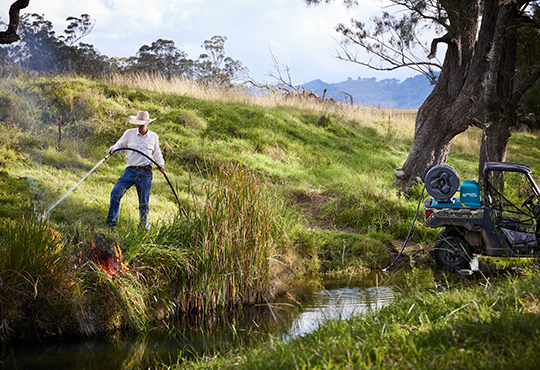
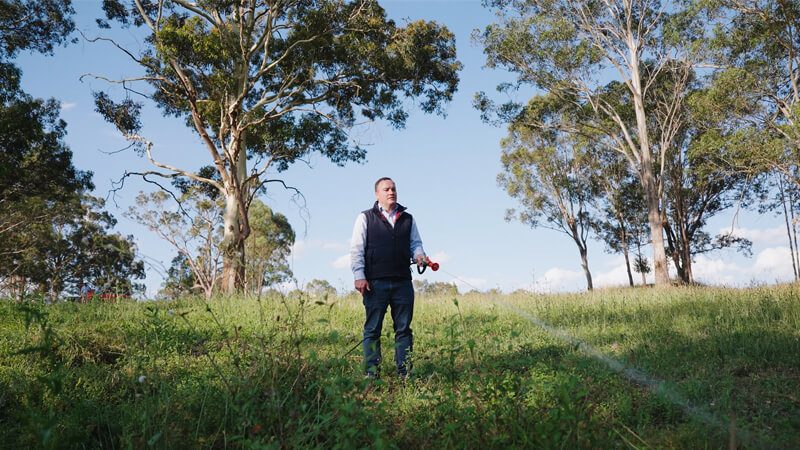
Man spraying weeds using a Rapid Spray poison sprayer, vehicle-mounted spray unit on a ute, demonstrating efficient spot spraying for weed control in rural or agricultural property.

Ready to Take Back Your Land?

Blackberry doesn’t have to be a permanent fixture on your property. With a proactive management plan and the right Rapid Spray unit, you can clear your paddocks, protect your native vegetation, and increase your land value.

Explore the SprayScout Range →
View 12V Spot Sprayers →
Browse All Weed Sprayers →

Frequently Asked Questions

What is the best time of year to spray blackberries in Australia?

Late summer to early autumn — January to March — is the most effective window. The plant is actively moving sugars and nutrients downward toward its root crown, which means systemic herbicides travel further into the plant and achieve a more complete kill.

What herbicide kills blackberries?

Triclopyr-based herbicides (such as Garlon) are highly effective on woody weeds like blackberry. Metsulfuron-methyl (Brush-Off) is a cost-effective alternative. Always add a quality surfactant to improve penetration through the waxy leaf coating.

What type of sprayer do I need for blackberries?

You need a high-pressure weed sprayer with enough volume to saturate the plant thoroughly. For large properties, the Rapid Spray SprayScout is purpose-built for this job. For smaller blocks or spot spraying, a 12V spot sprayer is a practical and reliable choice.

How many times do I need to spray to kill blackberries?

Most infestations require at least two spray rounds — one in the primary season and a follow-up the next year to address regrowth from dormant seeds or partially treated crowns. Consistent, well-timed applications over 2–3 seasons are typically needed for full eradication.

Can you spray blackberries near waterways?

Yes, but you must use a herbicide that is registered for near-water use in your state. Always read the product label, follow buffer zone requirements, and check your local state government guidelines before spraying near creeks or dams.

PROUDLY AUSTRALIAN MADE!
*Made from Australian and Imported Componentry