- Products
- Parts
- Parts Kits
- Tank Parts
- Spray Equipment
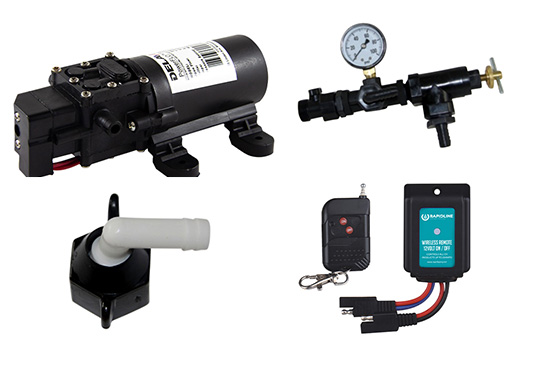
12V Pumps, parts & accessories
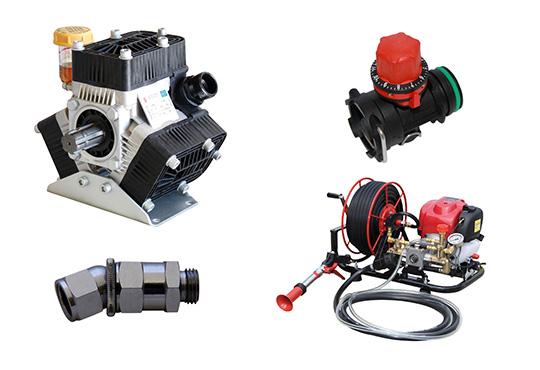
Engine & PTO Drive Pumps, parts & accessories
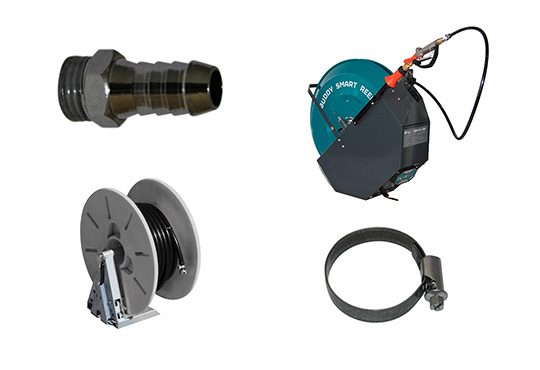
Hose Reels & Parts
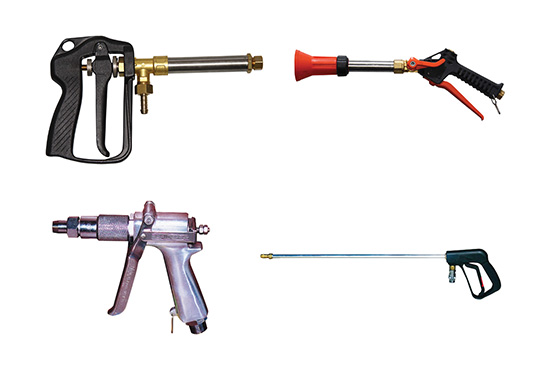
Spray Guns, Lances & Accessories
12 Volt Spot Sprayer Parts & Accessories
Backpack, compression & trolley sprayer parts
Spray Tank Lids, basket filters & outlets
nozzles, boomless nozzles & boom accessories
Other Spray Parts & Accessories
Batteries & Chargers
- Diesel Refuelling Parts
- Fire Fighting Parts
- Mining & Industrial
- STOCKING DEALERS
- Resources
- Customer Hub
- Specials
- Contact Us
Weed Spray Unit & Weed Control Systems: The Complete Guide for Australian Properties
Weeds cost Australian farmers and landholders billions of dollars every year. They compete with pastures, choke waterways, spread across fence lines, and in many cases are nearly impossible to get rid of once they take hold.Â
The right weed spray unit can make the difference between staying on top of the problem and watching it spiral out of control. This guide covers everything you need to know about weed control and spraying systems in Australia, from choosing the right unit for your property to getting the most out of it in the paddock. Whether you are managing a few acres or running a large broadacre operation, there is a spraying system suited to your situation.
Table of Contents
- Why Weed Control Matters in Australia
- Types of Weed Spray Units
- Choosing the Right Weed Sprayer for Your Property
- Key Components of a Quality Weed Spray Unit
- Common Weeds Across Australian Properties
- Best Practices for Effective Weed Spraying
- Sprayer Maintenance and Care
- Weed Control for Councils and Contractors
- Frequently Asked Questions
Why Weed Control Matters in Australia
Australia has some of the most diverse and aggressive weed species in the world. Many of them were introduced from overseas and, without natural predators, they spread rapidly across farmland, roadsides, national parks, and waterways. Left unchecked, invasive weeds can completely overtake a paddock in a single season.
The economic impact is significant. Beyond lost pasture productivity, there are costs associated with reduced crop yields, increased inputs, and in some cases, compliance obligations under state noxious weed legislation. Land managers who fail to address declared noxious weeds can face penalties, so staying on top of your weed control program is not just good practice, it is often a legal requirement.
A well-matched weed spray unit is your most effective tool for keeping weeds under control across any property size or terrain type. When you pair good equipment with the right herbicide and a sound management strategy, you can dramatically reduce weed pressure over time.
For a broader look at the scale of this challenge, read our post on Australia’s Toughest Invasive Weeds: How to Identify & Fight Them and Noxious Weed Control in Australia: How Rapid Spray Can Help.
Types of Weed Spray Units
Not all sprayers are built for the same job. Here is a rundown of the main categories of weed spray units available in Australia and what each one is best suited to.
Knapsack and Backpack Sprayers
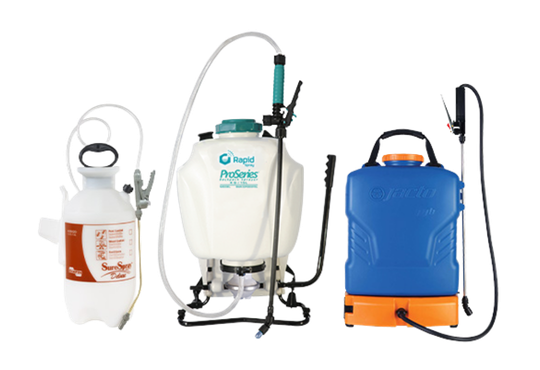
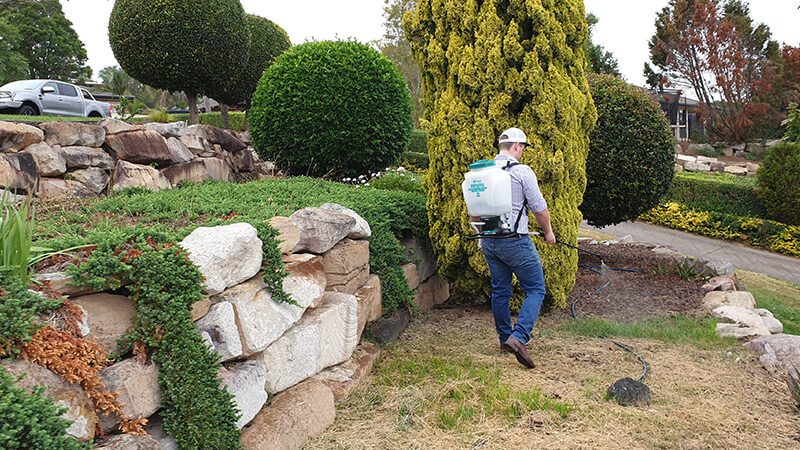
Knapsack sprayers are carried on the back and operate via a hand pump or battery-powered motor. They are ideal for small, targeted applications around the home, garden, or where precision matters more than volume.
They are a common starting point for hobby farmers and lifestyle block owners who need to spot spray individual weeds without treating large areas. Battery-powered models have become increasingly popular because they remove the need for manual pumping and allow a more consistent spray pressure.
Read more: Knapsack Sprayers: The Ultimate Guide to Choosing the Right One | Battery-Powered Backpack Sprayers: 5 Things to Look for Before You Buy | Backpack Sprayers: Key Benefits & What to Look for in Australia
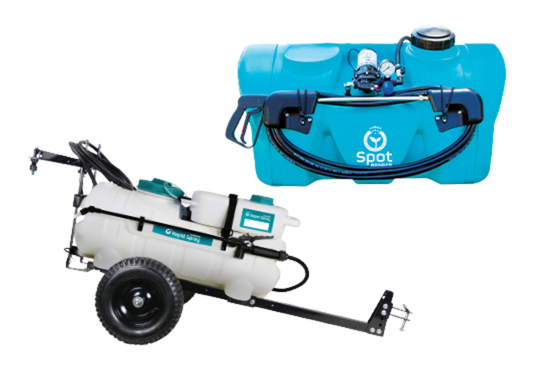
12V Spot Sprayers
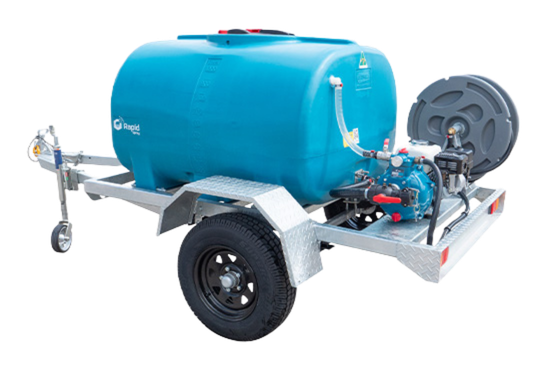
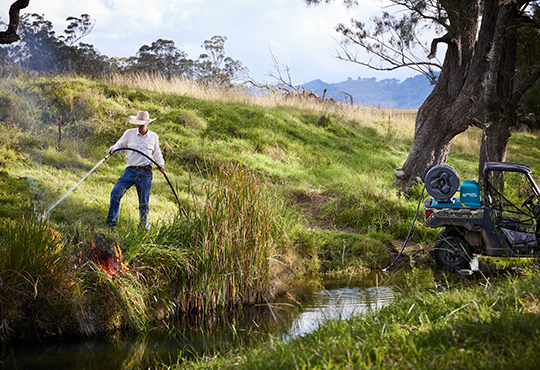
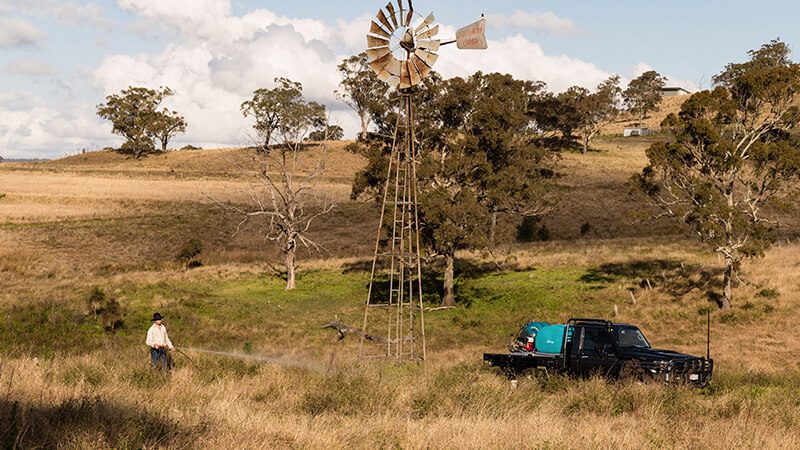
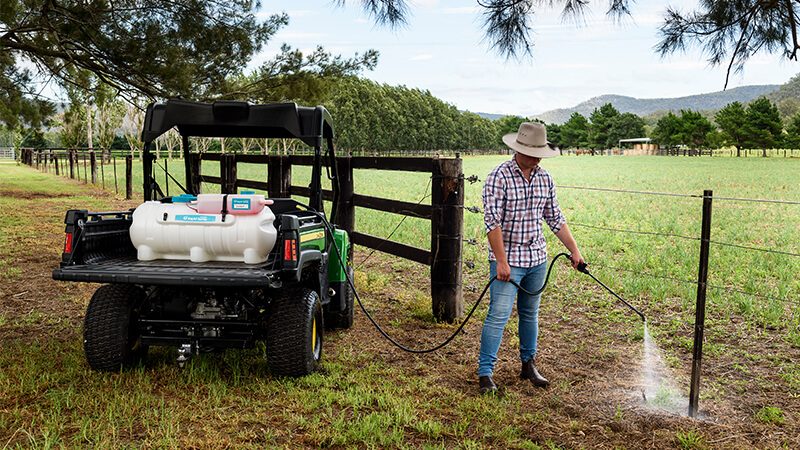
A 12-volt weed spray unit is one of the most popular choices for Australian farmers and rural property owners. Powered by a vehicle’s battery, these units mount on ATVs, UTVs, utes, and trailers and are well suited to spot spraying individual weeds or treating fence lines, yards, and smaller paddocks.
Tank sizes typically range from around 55 litres up to 400 litres. The smaller end of the range suits hobby farms and residential blocks, while the larger tanks are better for semi-professional and farming applications.
Key things to look for include pump quality, pressure regulation, hose reel options, and whether the unit includes an auto-shutoff function to protect the pump during idle periods.
Read more: 12 Volt Sprayers: 5 Things to Look for Before You Buy
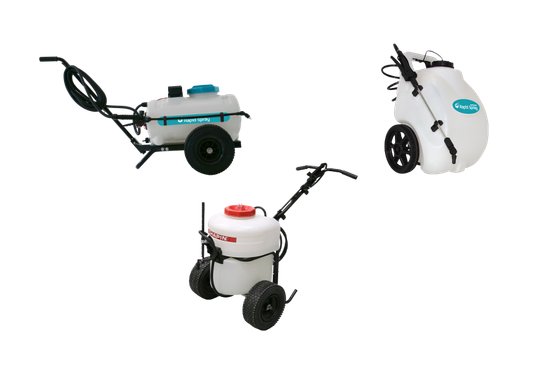
Trolley Sprayers
Trolley sprayers are portable ground-level units mounted on wheels. They do not require a vehicle to operate, which makes them a practical choice for situations where you need to get into tight spots that machinery cannot reach. Orchards, nurseries, stables, and council grounds are all common use cases.
Read more: Trolley Sprayers: Rapid Spray’s Portable Spraying Range Explained
Ride-On Mower Sprayers
Ride-on mower sprayers attach to your existing ride-on and allow you to spray while mowing. They are a cost-effective option for residential and semi-rural properties where you are already using a ride-on regularly and want to combine tasks without investing in a dedicated sprayer vehicle.
Read more: Ride-On Mower Sprayers: The Ultimate Australian Buying Guide
UTV Sprayers
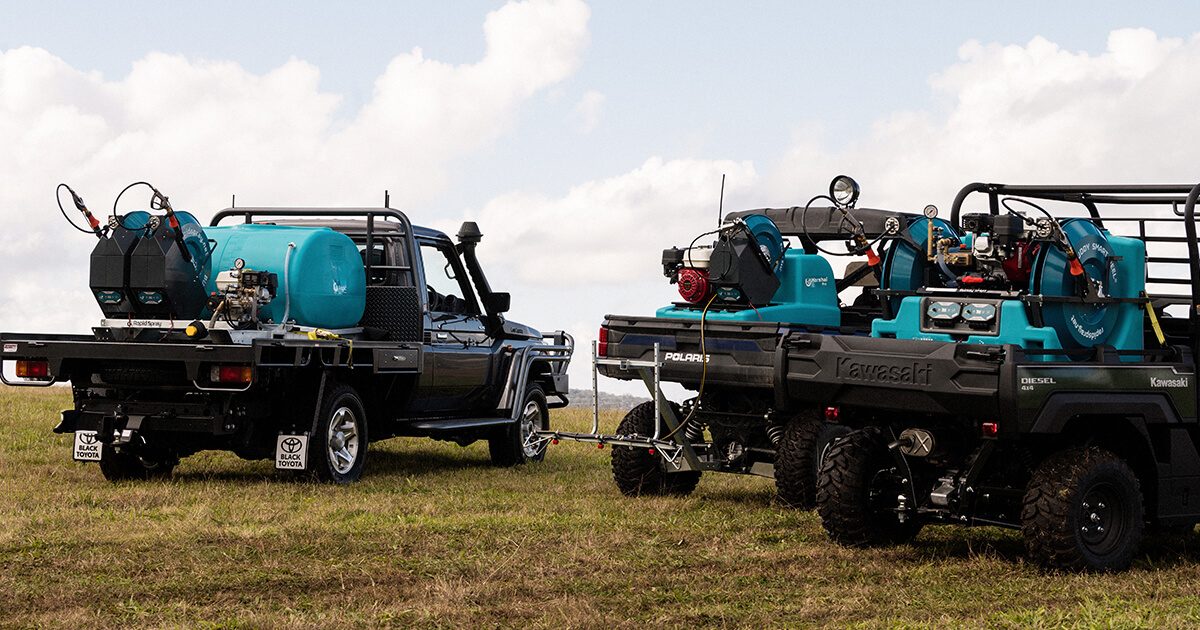
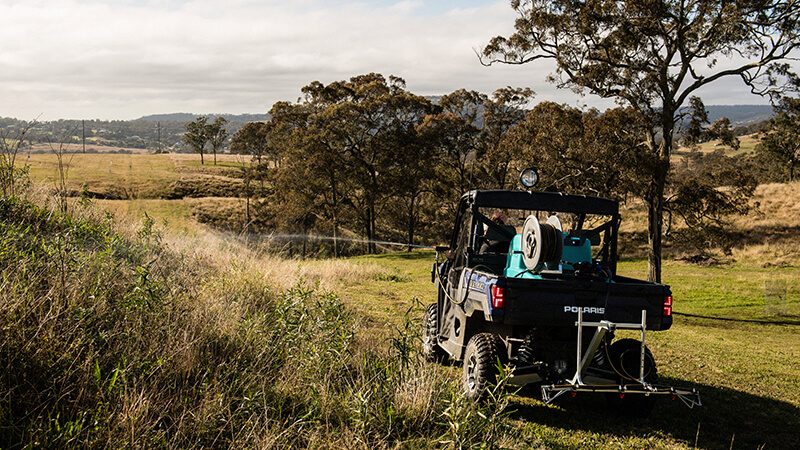
UTV sprayers are designed specifically for the cargo beds of side-by-side utility vehicles. The tanks are sized to stay within vehicle payload limits while still offering meaningful capacity, typically between 150 and 300 litres. They are a great option for rugged terrain where a standard ute mount is not practical.
Read more: UTV Sprayers: 6 Things to Look for Before You Buy | UTV Field Boss Sprayer: The Ultimate Channel & Fence-Line Spraying Unit
Ute-Mount Field Sprayers
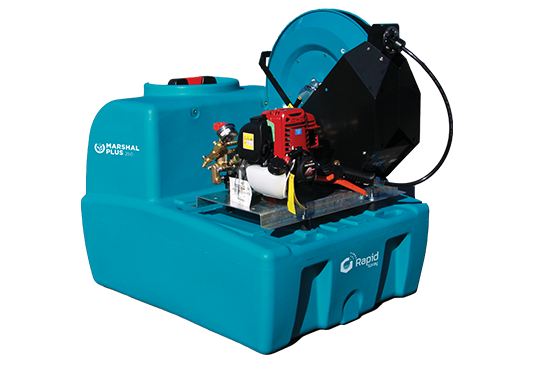
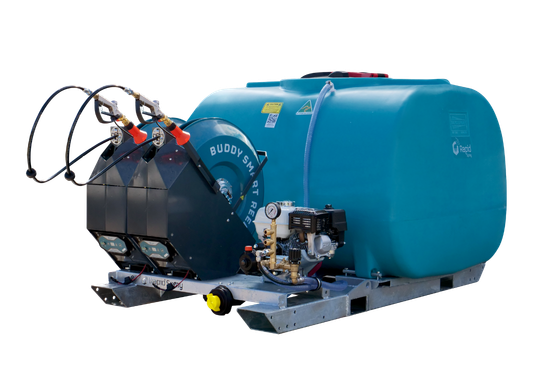
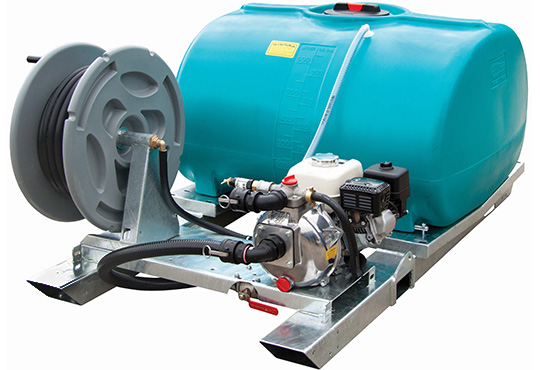
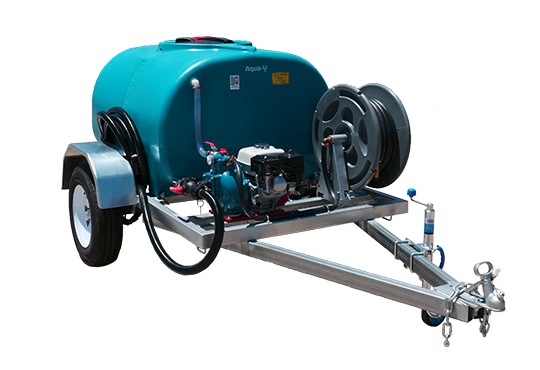
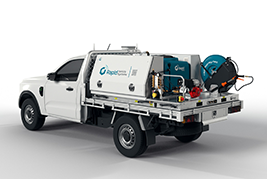
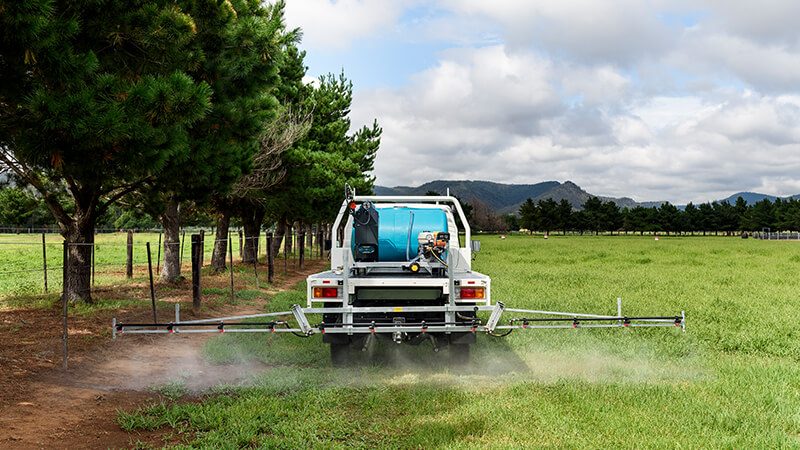
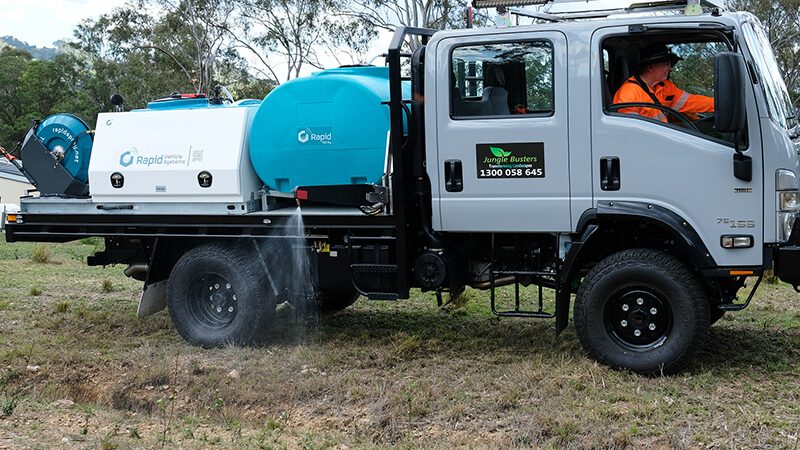
Ute-mounted sprayers are among the most versatile weed spray units available. They sit in the tray of a ute or on a trailer and combine large tank capacity with professional-grade pumps, hose reels, and often boom options. These are the go-to choice for farmers, rural contractors, and large property owners.
Rapid Spray’s flagship units in this category include the Rapid Spray Ultimate Field Sprayer: Australia’s Best Auto Reel Ute-Mount Sprayer and the Rapid Spray Ultimate Field Sprayer: Complete Guide & Features.
Boom Sprayers
Boom sprayers mount a horizontal boom that delivers herbicide across a wide swath in a single pass. They are best suited to paddock-scale applications where coverage efficiency matters more than precision. Booms can be fitted to utes, trailers, or tractors depending on the scale of your operation.
Read more: Boom Sprayers: How They Work & What to Look for in Australia
3-Point Linkage (3PL) Sprayers
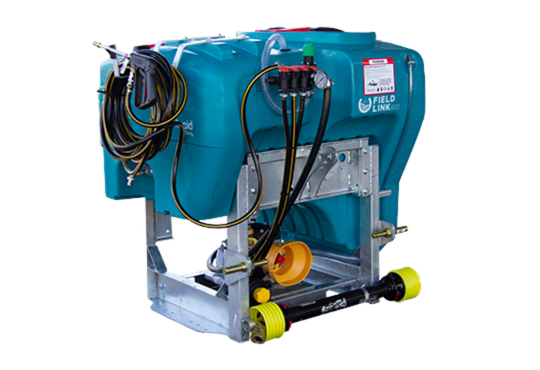
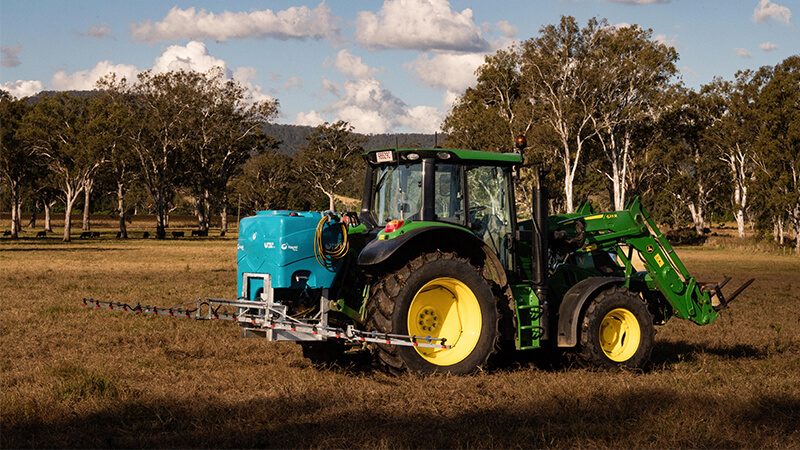
3-point linkage sprayers attach to the rear of a tractor via the standard three-point hitch. They are the preferred setup for farmers who already run tractors and want a stable, high-capacity weed spray unit that integrates with their existing machinery.
Read more: FieldLink 3-Point Linkage Sprayer: Complete Guide & Features
For an overview of how all these categories fit together, read our post: 6 Types of Agricultural Sprayers and Their Uses in Australia.
Choosing the Right Weed Sprayer for Your Property
Property Size
Smaller properties of less than 10 hectares are generally well served by knapsack sprayers, ride-on attachments, or compact 12V spot sprayers. Once you get past 20 to 30 hectares, a ute-mounted or trailer unit becomes a much better use of your time. Broadacre operations above 100 hectares typically benefit from boom sprayers or 3PL setups that allow you to cover ground quickly.
Terrain and Access
If your paddocks are flat and accessible, a larger trailered unit or boom sprayer makes sense. Steep, rocky, or heavily vegetated ground may call for something more nimble, like a UTV sprayer or a knapsack for the areas that vehicles simply cannot reach.
Weed Type and Treatment Method
Spot spraying individual plants requires a different setup to blanket treating an entire paddock. Dense woody weeds like blackberries or rubber vine often need high-pressure applications to achieve penetration, while broadleaf weeds in pastures can be treated efficiently with a boom and low-drift nozzles.
Read more: How to Spray Blackberries Effectively with the Right Weed Sprayer
Budget and Frequency of Use
If you are spraying a couple of times a year on a hobby block, a basic 12V unit will do the job without overcapitalising. If you are managing weeds professionally or across hundreds of hectares every year, investing in a purpose-built, durable field sprayer will save you money in the long run.
Key Components of a Quality Weed Spray Unit
Understanding what makes up a good weed spray unit helps you compare products and identify where quality matters most.
The Pump
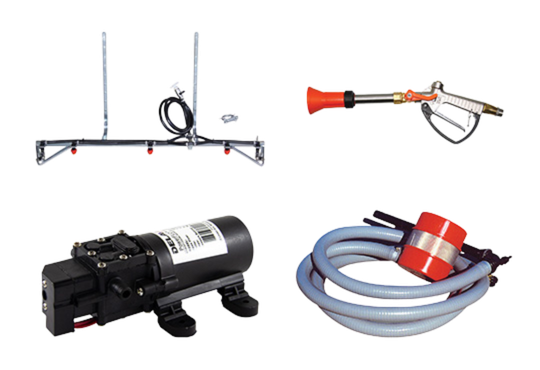
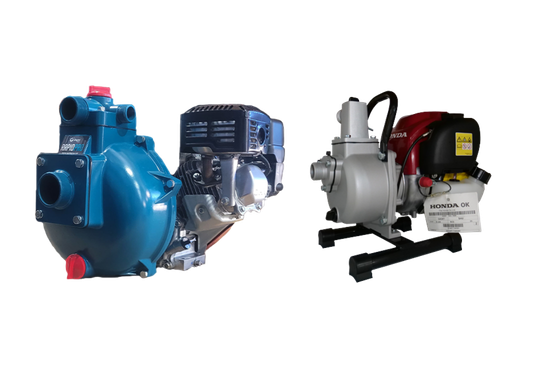
The pump is the heart of any sprayer. 12V diaphragm and centrifugal pumps are the two most common types found in weed spraying equipment. Diaphragm pumps handle chemical exposure well and maintain pressure even at lower flow rates, making them a solid choice for spot spraying with a hand gun. Centrifugal pumps are better suited to high-volume boom applications.
Look for a pump with a built-in pressure switch or demand function, which automatically shuts the pump off when the gun or boom is closed. This prevents pump cycling damage and extends service life.
Read more: How to Choose the Right 12V Pump for Your Agricultural Sprayer
The Tank
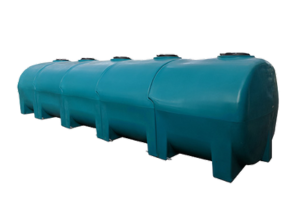
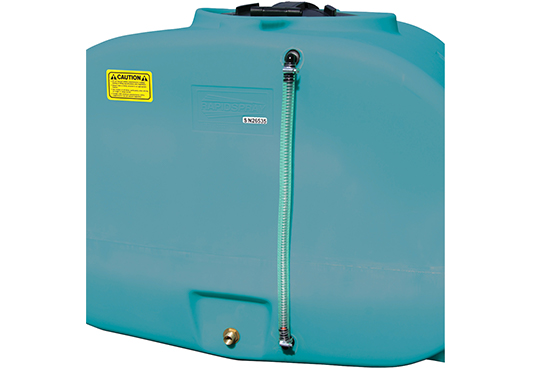
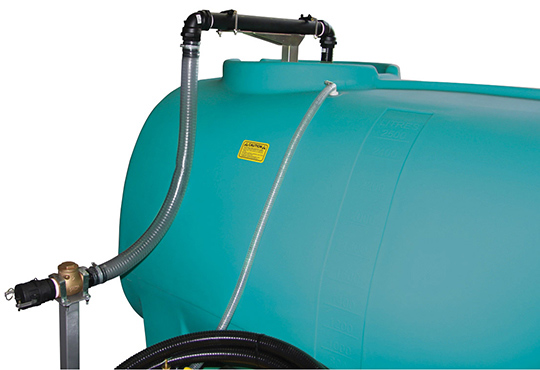
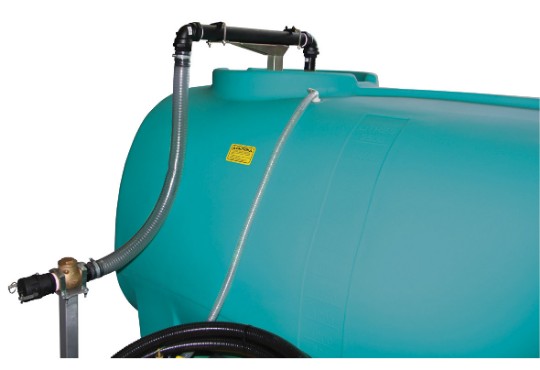
Quality tanks are manufactured from UV-stabilised polyethylene, which resists degradation from sun exposure and chemical contact. In Australian conditions, this matters. A tank that is not UV-stabilised will become brittle over time and is likely to crack or leak.
Tank capacity should match your typical job size. Going too small means constant refilling; going too large adds unnecessary weight to your vehicle.
The Hose Reel
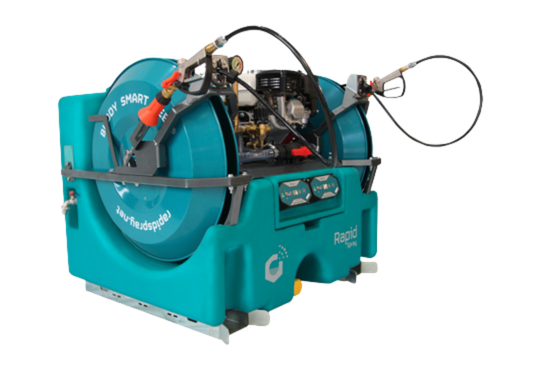
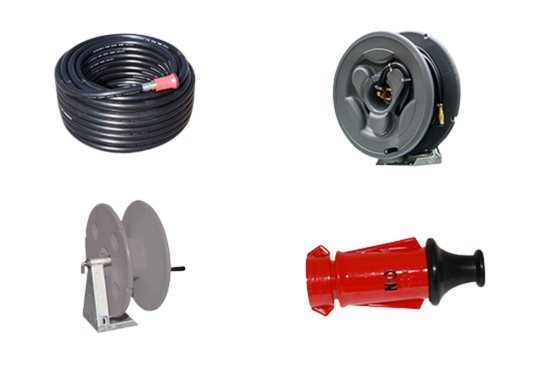
A good hose reel keeps your spray hose tidy and reduces the wear caused by dragging hose across rough terrain. Auto-rewind reels are a significant time saver and reduce operator fatigue during long spray runs. Rapid Spray’s auto reel systems are engineered specifically for the demands of Australian paddock work.
Read more: Rapid Spray Buddy Auto Reel: Now Available Australia-Wide | Introducing the Buddy Q: Rapid Spray’s Future of Spray Technology
Nozzles
Nozzle selection has a bigger impact on spray performance than most people realise. The wrong nozzle can cause excessive drift, poor coverage, or chemical waste. Flat fan nozzles are common for boom applications, while adjustable cone nozzles suit hand gun spot spraying.
Droplet size, spray angle, and flow rate all vary between nozzle types. Matching these characteristics to your target weed and conditions makes your chemical budget go further.
Read more: Spray Nozzles: Why Choosing the Right Nozzle Is Critical
Pressure Regulator
A properly adjusted pressure regulator keeps your spray pressure consistent throughout the job. Inconsistent pressure leads to uneven coverage and can cause pump cycling, which damages the pump over time.
Read more: How to Adjust Your Sprayer Pressure Regulator to Prevent Pump Cycling
Common Weeds Across Australian Properties
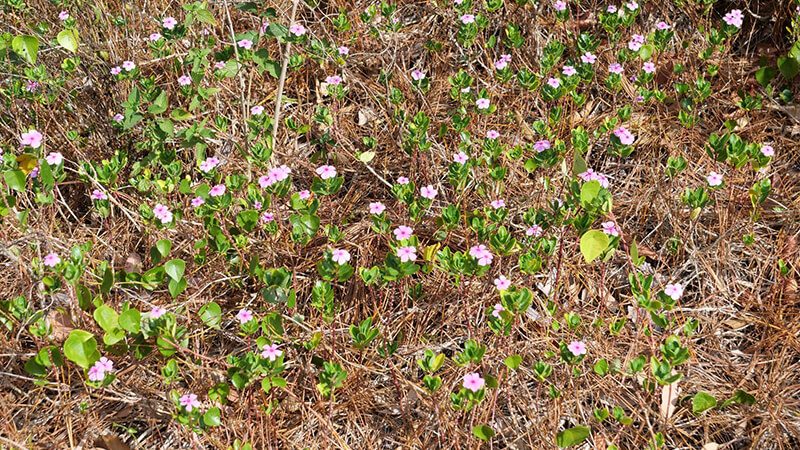
Knowing your target weed is the first step to controlling it effectively. Below is an overview of the most problematic species across Australia, with links to dedicated management guides.
Woody and Invasive Shrubs
Blackberry, lantana, rubber vine, gorse, and rosewood are among the toughest to eradicate once established. They spread quickly, can be toxic to livestock, and require consistent follow-up treatment after initial knockdown. Detailed guides: Blackberry Weed Control | Lantana Control in Australia | Rubber Vine Control | Gorse Weed in Australia | Rosewood Weed Control | Is Lantana Destroying Your Farm’s Profitability?
Grass Weeds
Feathertop Rhodes grass, summer grass, couch grass, and Chilean needle grass are widespread across Australian farming regions. They compete aggressively with pastures and crops and can be difficult to control without a targeted herbicide program. Detailed guides: Feathertop Rhodes Grass | Summer Grass Control | Couch Grass Control | Chilean Needle Grass
Broadleaf Weeds
Fleabane, pigweed, sow thistle, white clover, alkali sida, and broad-leaved dock are common broadleaf problem plants. They can dramatically reduce pasture productivity and are often difficult to control with standard grass herbicides. Detailed guides: Fleabane Weed Control | Pigweed Control | Sow Thistle Control | White Clover Control | Alkali Sida Control | Broad-Leaved Dock Control
Bulb and Tuber Weeds
Nutgrass, onion weed, and African weed orchid are notoriously persistent. They regenerate from bulbs and tubers left in the soil after treatment, making chemical control only one part of a broader management approach. Detailed guides: Nutgrass Control | Onion Weed Control | African Weed Orchid
Other Problematic Species
Buffalo burr, caltrop, kochia, fireweed, great mullein, and velvet mesquite are also common in parts of Australia. Detailed guides: Buffalo Burr Weed Control | Caltrop Weed Control | Kochia Weed Control | Fireweed Control | Great Mullein Weed Control | Velvet Mesquite
For a comprehensive overview, start with our Weed Identification Guide for Australian Properties and our Weed Management Solutions for Australian Properties: Complete Guide.
Best Practices for Effective Weed Spraying
Getting the equipment right is only half the equation. How you use your weed spray unit determines whether you get a good kill, a partial knockdown, or a wasted drum of chemical.
Spray at the Right Growth Stage
Most herbicides work best when applied to actively growing weeds. Young, fast-growing plants take up chemical more efficiently than stressed or dormant ones. Knowing the life cycle of your target weed lets you time your applications for maximum impact.
Calibrate Your Sprayer
Calibration is one of the most commonly skipped steps, and one of the most important. A sprayer that delivers the wrong volume per hectare can either under-dose (leaving weeds alive) or over-dose (wasting chemical and risking off-target damage). Calibrate every time you change nozzles or tank mix rate.
Read more: How to Calibrate Your Agricultural Sprayer Quickly & Accurately
Control Spray Drift
Herbicide drift is a significant risk, particularly near crops, waterways, or neighbours’ properties. Reducing travel speed, lowering boom height, using larger droplet nozzles, and avoiding spraying in windy conditions are all practical ways to keep drift under control.
Read more: Reducing Spray Drift: How to Achieve More Effective Weed Control
Consider Conditions
Drought, flooding, and extreme heat all affect weed behaviour and herbicide performance. Stressed weeds often do not translocate herbicide effectively, which means poor results even when you spray correctly.
Read more: Why Weeds Keep Growing During Drought (and How to Control Them) | How Drought Contributes to Weed Infestations on Australian Farms | How Floods Spread Weeds: Managing Weed Outbreaks After Flooding
Choose the Right Herbicide
Pairing your weed spray unit with the right chemical makes a big difference. Systemic herbicides like glyphosate work by moving through the plant and killing the root system, while contact herbicides only kill what they touch. Selective herbicides target specific plant types without damaging surrounding species, which is important in pasture situations.
Always read the product label and follow the directions for rate, timing, and personal protective equipment.
Read more: Grazon Extra Herbicide Guide: Controlling Broadleaf & Woody Weeds
Safety Comes First
Spraying involves handling chemicals that can pose risks to operators, bystanders, and the environment. Wearing appropriate PPE, following label requirements, and understanding common spraying hazards is non-negotiable.
Read more: 5 Everyday Spraying Risks and How to Eliminate Them Safely

Sprayer Maintenance and Care
A well-maintained weed spray unit lasts significantly longer and performs more reliably than one that gets neglected between seasons. It does not take much effort to keep your equipment in good condition, and the return on that effort is well worth it.
Clean Your Equipment After Every Use
Herbicide residue left inside tanks, hoses, and pumps can corrode components, block nozzles, and contaminate your next batch of chemical. Rinse thoroughly with clean water after every use, and do a triple rinse if you are switching between chemicals with different targets.
Read more: How to Clean Your Spray Equipment: A Step-by-Step Guide
Check Nozzles and Filters Regularly
Blocked or worn nozzles change your spray pattern and delivery rate. Check nozzles before each use and replace them when they show signs of wear. Clean in-line filters regularly to keep flow consistent.
Inspect Hoses and Fittings
Hoses degrade over time from UV exposure and chemical contact. Look for cracking, swelling, or abrasion, and replace hoses that show any of these signs before they fail in the paddock.
Store Correctly
Drain your tank and hoses before storing the unit, especially over winter. UV exposure during long storage periods accelerates tank degradation, so keep equipment undercover where possible.
Read more: How to Extend the Life of Your Agricultural Sprayer | Sprayer Maintenance: How to Extend the Life of Your Equipment
Know When to Replace
There comes a point where repairing aging equipment costs more than replacing it. Pump failures, cracked tanks, and corroded fittings are all signs your weed spray unit may be coming to the end of its useful life.
Read more: When Should You Replace Your Agricultural Sprayer? Key Signs to Watch
Weed Control for Councils and Contractors
Weed management is not just a challenge for individual landholders. Local councils, road authorities, and land management contractors face some of the biggest weed control workloads in Australia, particularly during spring when growth accelerates rapidly.
Professional-grade weed spray units designed for high-frequency use, long hours, and demanding terrain are essential in these applications. Units need to be durable, easy to service in the field, and capable of covering significant ground efficiently.
Read more: Spring Weed Control for Councils: Saving Time & Money with Rapid Spray | Why Weed Management Is Critical for Winning Government Tenders
Biosecurity obligations are also a consideration for farmers and contractors who move between properties. Contaminated equipment is one of the most common pathways for weed seeds and pest insects to spread.
Read more: On-Site Biosecurity Solutions: Rapid Spray Equipment for Farm Safety | Red Fire Ants in Australia: How to Identify & Protect Your Property
Frequently Asked Questions
What size weed spray unit do I need for my property?
For properties under 10 hectares, a 12V spot sprayer with a 100 to 200-litre tank is usually sufficient. Properties from 10 to 50 hectares benefit from a ute-mounted field sprayer in the 200 to 400-litre range. Larger broadacre operations typically need trailer or tractor-mounted units with 600 litres or more.
Can I use a weed spray unit for fertiliser or pesticide applications?
Yes. Most quality weed sprayers are compatible with a range of liquid agricultural chemicals including herbicides, pesticides, fungicides, and liquid fertilisers. Always check the chemical compatibility of your tank and hose materials before switching products, and clean the unit thoroughly between different chemical types.
How often should I calibrate my sprayer?
Calibrate before the start of each season, any time you change nozzles, and whenever you switch to a new spray program or chemical product. It takes about 15 to 20 minutes and can save you a significant amount in wasted chemical.
What is the best herbicide to use with my weed spray unit?
That depends on your target weed and the surrounding vegetation. Glyphosate is a broad-spectrum non-selective option suitable for many situations. Products like Grazon Extra are better suited to broadleaf and woody weed control in pastures where you want to protect grasses. Always read the product label and seek advice from an agronomist or chemical supplier if you are unsure.
How do I reduce spray drift?
Use low-drift nozzles, spray at lower pressures, keep booms close to the target canopy, avoid spraying in winds above 15 km/h, and spray during cooler parts of the day to minimise temperature inversions. Read our full guide on reducing spray drift for more detail.
Are Rapid Spray units available across Australia?
Yes. Rapid Spray products are Australian-made and available Australia-wide through dealers and direct sales. All units are designed and built to handle the demands of the Australian climate and farming conditions.
Ready to Choose Your Weed Spray Unit?
Rapid Spray builds professional-grade weed spraying equipment right here in Australia, designed for the conditions and challenges that Australian land managers face every day. Whether you need a compact spot sprayer for a lifestyle block or a fully equipped ute-mount field sprayer for a large farming operation, we have a unit to match your requirements.
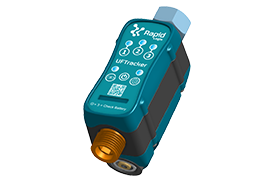
Browse Rapid Spray’s full range of weed sprayers or get in touch with our team to talk through your specific situation. We are always happy to help you find the right setup for the job.

Select A Dealer
No dealer selected