


Home > Water Cartage & Liquid Transport > Potable Water Tank: Everything You Need to Know Before You Buy

Potable Water Tank: Everything You Need to Know Before You Buy

Access to safe, reliable drinking water is something most people take for granted until the day it is not there. Choosing the right potable water tank from the start means you are never caught short, whether you are running a farm, managing a remote worksite, or carting water through a dry season.

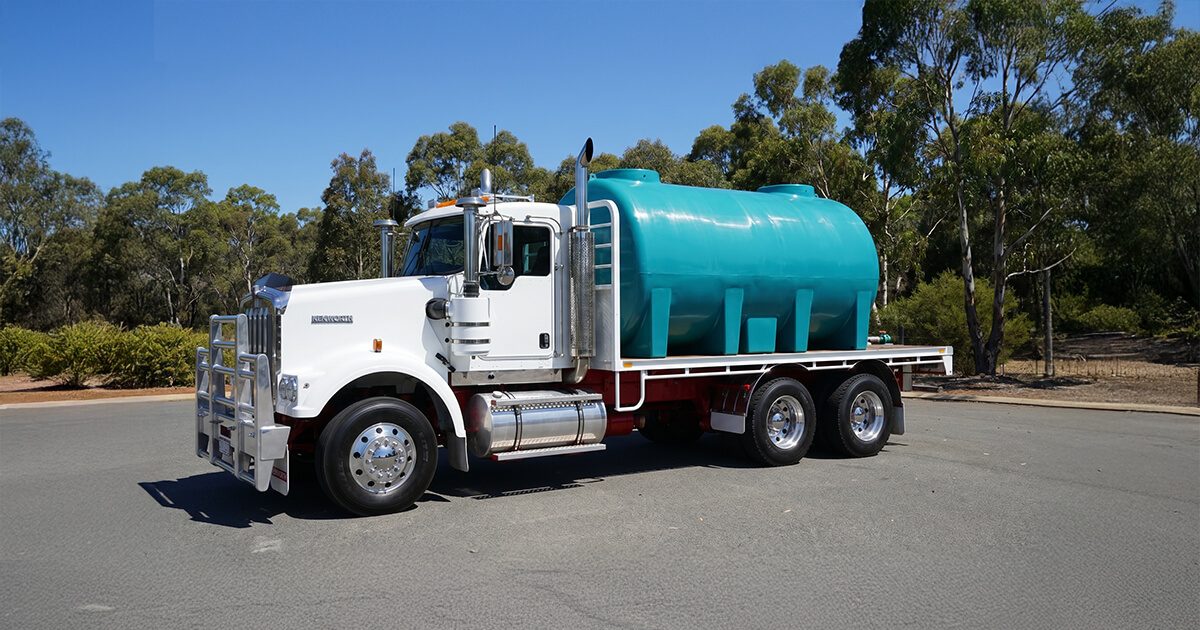
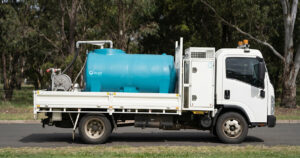
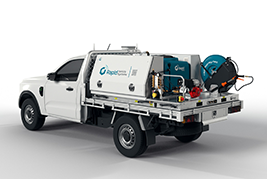
Rapid Spray potable water cartage tank mounted on a white truck for safe and efficient drinking water delivery in Australia

This guide covers everything you need to know about potable water tanks in Australia, from what makes a tank food-grade safe, to the different sizes and styles available, through to the regulations that apply and how to choose the right option for your situation.

What Is a Potable Water Tank?

A potable water tank is a storage vessel specifically designed and approved for holding drinking water. Unlike tanks used for chemicals, fuel, or general liquid transport, a potable water tank must meet strict food-grade standards to ensure the water stored inside stays safe for human consumption.

In Australia, that typically means the tank is manufactured from high-density polyethylene (HDPE) that is certified food-safe, free from harmful additives, and built to withstand UV exposure, temperature fluctuations, and the demands of rural and industrial environments. If a tank is not rated as potable, it should never be used to store drinking water, no matter how clean it looks on the surface.
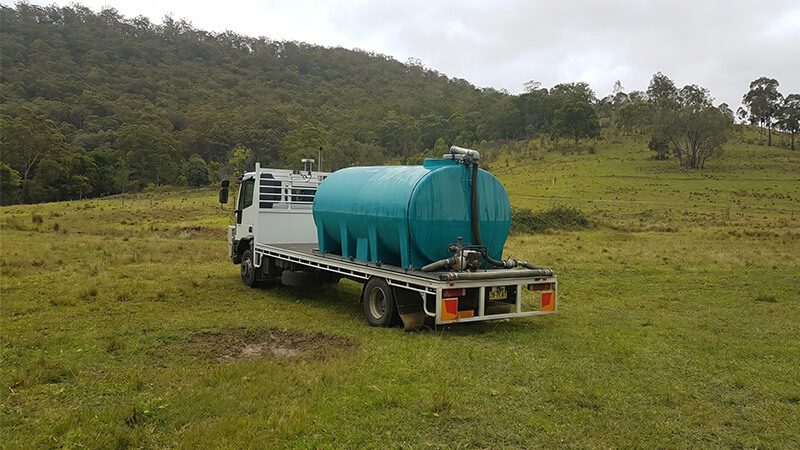
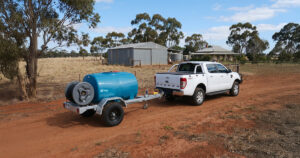
White water delivery truck fitted with a Rapid Spray cartage tank transporting potable water through a rural farm field in Australia.

Who Needs a Potable Water Tank?

Potable water tanks are used across a surprisingly wide range of industries and settings in Australia. Some of the most common include:

Farms and rural properties: Many rural properties rely on rainwater collection or borewater, and a quality potable tank is essential for storing and accessing drinking water for both people and livestock.

Construction and worksites: Remote sites often have no connection to mains water, making portable potable tanks a practical solution for providing safe drinking water to workers.

Councils and government departments: Local councils use potable tanks for water cartage to communities during emergencies, droughts, or infrastructure failures.

Event management: Festivals, outdoor events, and temporary camps in regional areas regularly rely on potable water tanks to supply clean drinking water to attendees.

Emergency and disaster response: After floods, bushfires, or other natural disasters, potable tanks play a critical role in delivering safe water to affected communities.

Key Features to Look For in a Potable Water Tank

Not all poly tanks are created equal. When you are shopping for a potable water tank, there are several features worth paying close attention to.

Food-Grade Certification

This is non-negotiable. The tank must be manufactured from food-grade polyethylene and clearly marked as suitable for potable (drinking) water. At Rapid Spray, all potable-rated tanks are made from virgin, food-grade HDPE with no recycled material that could introduce contaminants.
UV Stabilisation

Australian conditions are tough. A tank that is not properly UV-stabilised will degrade over time, potentially leading to cracking, discolouration, or the leaching of compounds into the water. Look for tanks with built-in UV inhibitors designed for long-term outdoor use.

Seamless, Rotomoulded Construction

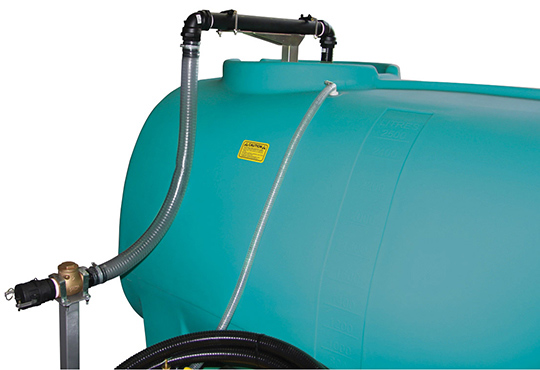
Rotational moulding (rotomoulding) produces a seamless, one-piece tank with no joins or welds that could weaken over time or harbour bacteria. This construction method is widely regarded as the gold standard for poly tanks used in water storage and transport.

Lid and Inlet Design

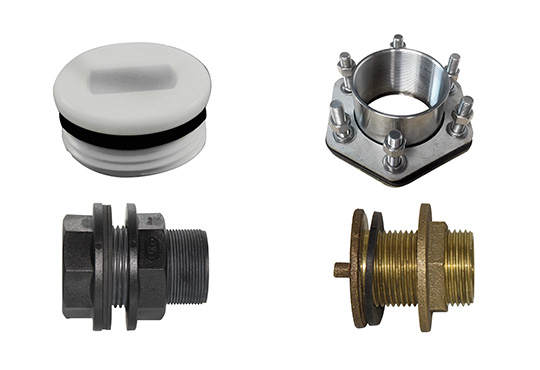
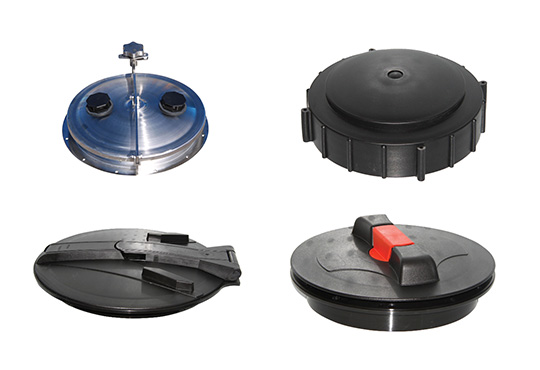
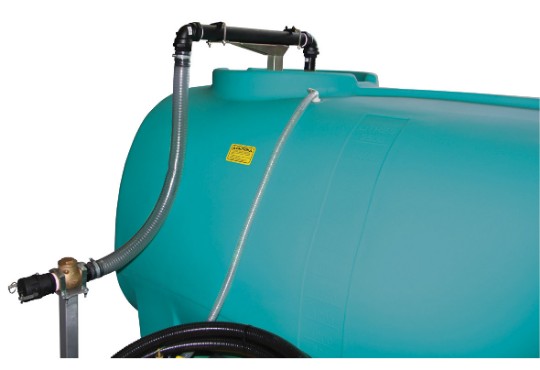
A secure, well-fitting lid prevents contamination from dust, insects, and debris. Inlet and outlet fittings should also be sealed properly and manufactured from food-safe materials.

Warranty

A long manufacturer warranty is a good indicator of build quality and confidence in the product. Rapid Spray backs its poly tanks with an industry-leading 25-year warranty, which reflects the durability of the tanks and the standard of manufacturing behind them.

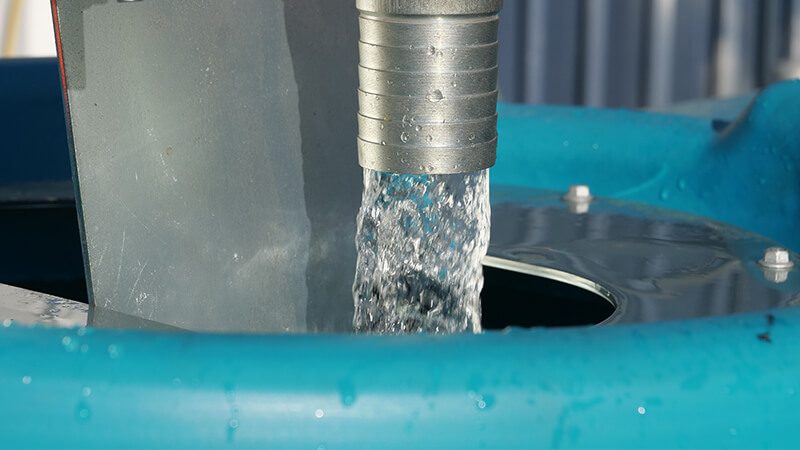
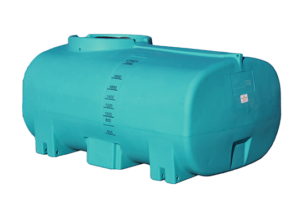
cartage tank lid close up (1)

Potable Water Tank Sizes: What Capacity Do You Need?

  • Potable water tanks come in a wide range of capacities, from small 200-litre units right up to large 10,000-litre or greater storage tanks. Choosing the right size comes down to a few key factors:

    Daily usage: How much water do you need per day, and how many people or animals are you supplying? A rough calculation helps you determine the minimum capacity required.

    Refill frequency: If you are in a remote area or relying on rainwater collection, you need enough storage to last between refills or rainfall events.

    Transport vs. fixed storage: Are you looking for a tank that stays in one place, or do you need something that can be moved around your property or transported on a trailer or ute? This will influence the size and style of tank that suits you best.

    Space and location: Consider where the tank will be positioned. Make sure the site can handle the weight of a full tank, and that there is clear access for filling and maintenance.

Portable Potable Water Tanks vs. Stationary Storage Tanks

There is an important distinction between tanks designed for stationary storage and those built for transport. Both can be rated for potable water, but they are engineered differently.

Stationary tanks are designed to sit on a flat, stable surface such as a concrete pad or a tank stand. They are typically larger in capacity and are not intended to be filled and moved regularly.

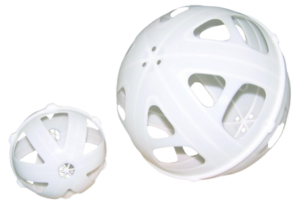
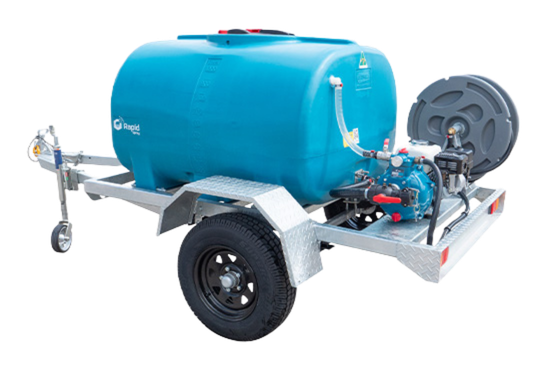
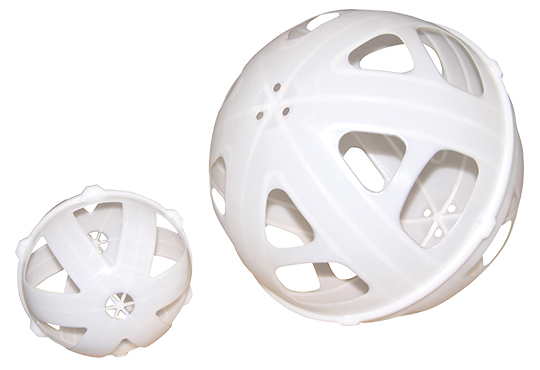
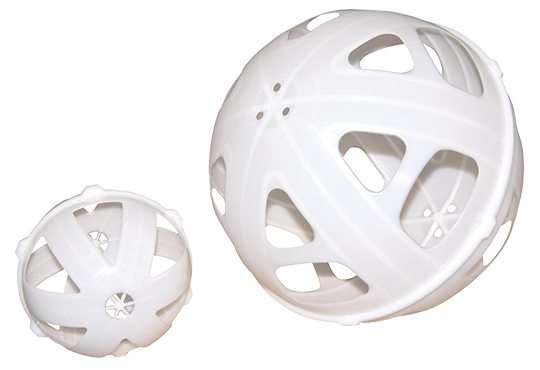
Portable or transport tanks are built with reinforced walls, baffles, and secure fittings to handle the movement, vibration, and liquid surge that come with being on the back of a vehicle or trailer. Ball baffles are a common internal feature that improve stability and safety during liquid transport by reducing the momentum of shifting water inside the tank.

For a deeper look at how portable tanks are used across industries, this guide on portable water tanks and water transport solutions in Australia is worth a read.

Australian Regulations and Standards for Potable Water Tanks

Australia has specific standards governing the materials and design of tanks intended for drinking water storage. The key standard is AS/NZS 4020, which tests products for their suitability for contact with drinking water. Tanks used for potable water should comply with this standard, and any fittings, hoses, or accessories used in conjunction with the tank should also be drinking-water compatible.

In addition, water cartage operators and councils often need to meet local regulations around vehicle registration, load ratings, and hygiene requirements. If you are carting potable water commercially, it is worth checking with your state’s transport authority and local council for any additional obligations.

Understanding how weight ratings and specific gravity affect tank selection is also important, particularly when you are loading a tank onto a vehicle. This post on poly tank weight ratings and why specific gravity matters breaks it down in plain language.

Why Poly Tanks Are the Preferred Choice for Potable Water

Steel and fibreglass tanks were once common choices for water storage, but poly tanks have largely replaced them in most agricultural and commercial applications. The reasons are practical.
Poly tanks do not rust. Steel tanks, even galvanised ones, can eventually corrode and introduce iron and other compounds into stored water. Fibreglass tanks can be difficult to inspect internally and may require lining to remain food-safe. Poly tanks, by contrast, are inert, easy to clean, and resistant to a wide range of environmental conditions.
They are also lighter, which matters a great deal when you are looking at transport applications. A lighter tank means more payload capacity and less wear on the vehicle carrying it.
For a thorough breakdown of how poly compares against other materials, this article on poly vs steel vs fibreglass tanks covers the key differences in detail.

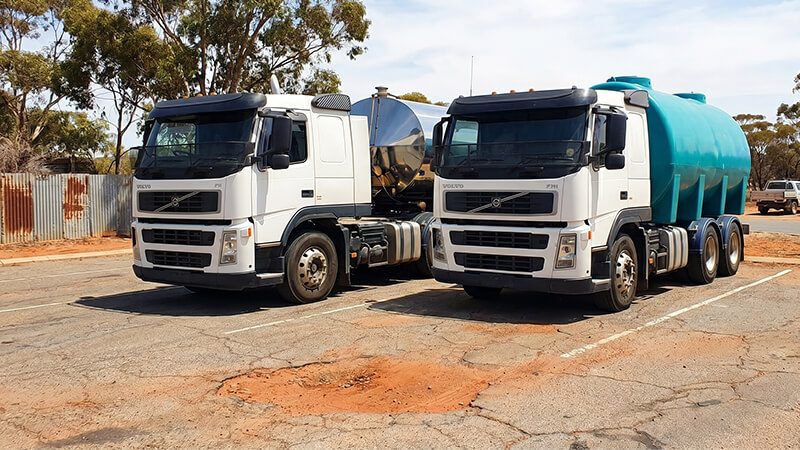
Two white water delivery trucks parked side by side, fitted with stainless steel and poly tanks for potable water transport and delivery

Potable Water Tanks and Drought Preparedness

In drought-prone areas of Australia, reliable access to drinking water is not just a convenience. It is a survival issue for farms and rural communities. During prolonged dry periods, many properties rely entirely on carted water, making the condition and capacity of their potable tanks absolutely critical.

Poly water cartage tanks have proven to be a cost-effective and durable solution during drought conditions, and government support has at times been available to help farmers access water transport equipment. This post on poly water cartage tanks as a drought solution goes into more detail, and there is also useful information on water cartage assistance programs for drought-affected farmers that may be relevant depending on your situation.

Biosecurity and Potable Water Tanks

One often-overlooked aspect of potable water tanks is their role in farm biosecurity. Water trailers and tanks used to cart drinking water between properties carry a genuine risk of spreading disease if not properly cleaned and maintained between uses.

Thorough cleaning and disinfection protocols are essential, particularly on properties where livestock health is a priority. This article on how water trailers support on-farm biosecurity outlines the key considerations for keeping your water supply and your property protected.

Choosing the Right Potable Water Tank for Your Needs

Buying a potable water tank is not a decision to rush. The right tank depends on your specific application, the volume of water you need to store or transport, the conditions it will operate in, and the budget you are working with.

At Rapid Spray, we manufacture a range of food-grade poly tanks and water transport solutions designed for Australian conditions. Whether you need a compact unit for a remote worksite, a high-capacity tank for a council water cartage fleet, or a purpose-built trailer-mounted tank, our team can help you find the right fit.

Browse our range of potable water tanks and liquid transport solutions or get in touch with our team directly to talk through your requirements.

Frequently Asked Questions

What makes a water tank suitable for potable water?

A tank must be manufactured from food-grade polyethylene that complies with AS/NZS 4020, which tests materials for their suitability in contact with drinking water. The tank should be free from recycled materials, clearly marked as potable-rated, and fitted with food-safe fittings throughout.

Can I use any poly tank for drinking water?

No. Not all poly tanks are food-grade rated. Tanks used for chemicals, fertilisers, or fuels should never be repurposed for drinking water, even after cleaning. Always check that a tank is specifically certified for potable use before storing drinking water in it.

How long does a potable water tank last?

A quality rotomoulded poly tank, properly maintained and protected from physical damage, can last well over 20 years. Rapid Spray backs its poly tanks with a 25-year warranty, which gives you a strong indication of the expected service life under normal conditions.

How do I clean and maintain a potable water tank?

Tanks should be inspected and cleaned regularly, particularly before first use and after any period of sitting empty. A diluted food-grade disinfectant solution (such as sodium hypochlorite) is commonly used, followed by a thorough rinse. Always follow the tank manufacturer’s cleaning recommendations and any relevant state health guidelines for potable water storage.

PROUDLY AUSTRALIAN MADE!
*Made from Australian and Imported Componentry