- Products
- Parts
- Parts Kits
- Tank Parts
- Spray Equipment
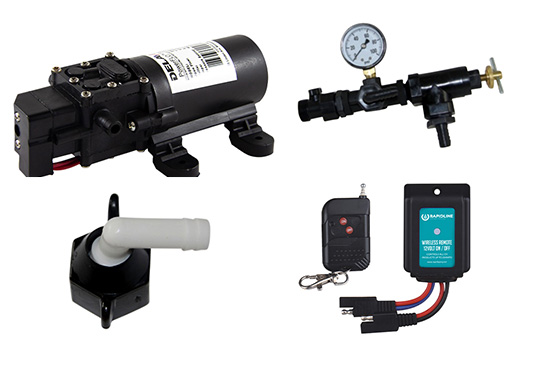
12V Pumps, parts & accessories
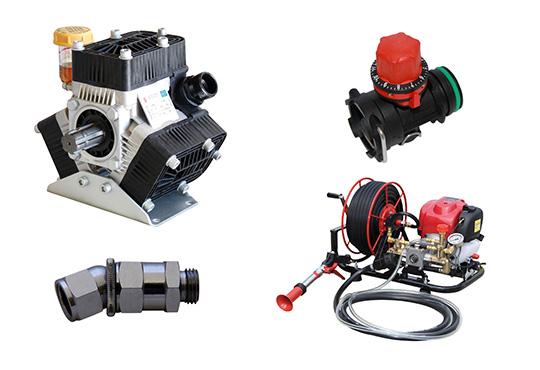
Engine & PTO Drive Pumps, parts & accessories
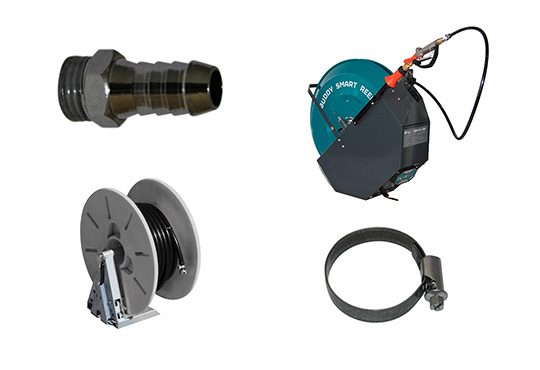
Hose Reels & Parts
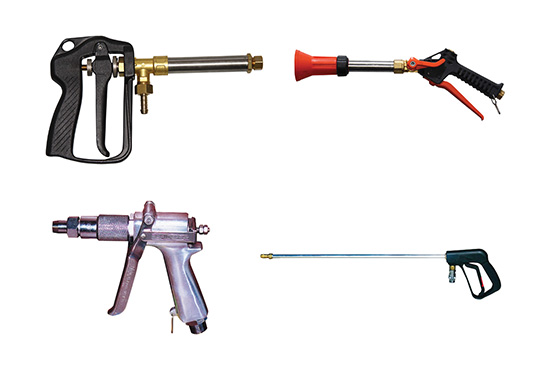
Spray Guns, Lances & Accessories
12 Volt Spot Sprayer Parts & Accessories
Backpack, compression & trolley sprayer parts
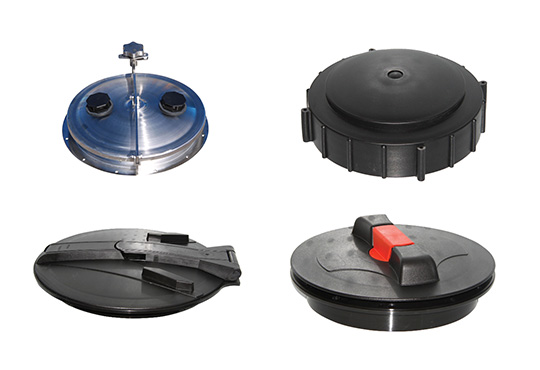
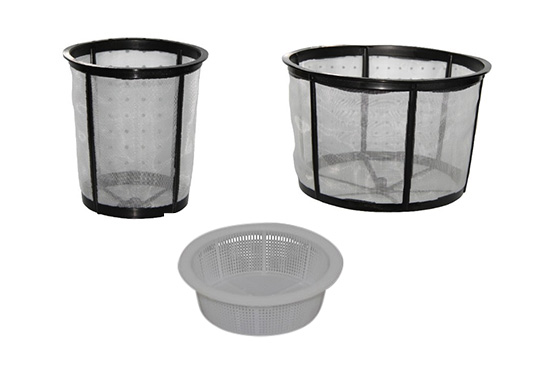
Spray Tank Lids, basket filters & outlets
nozzles, boomless nozzles & boom accessories
Other Spray Parts & Accessories
Batteries & Chargers
- Diesel Refuelling Parts
- Fire Fighting Parts
- Mining & Industrial
- STOCKING DEALERS
- Resources
- Customer Hub
- Specials
- Contact Us
Trailer Mounted Water Tanks: What to Look for and Why They Matter on Australian Properties
A trailer mounted water tank is one of the most versatile pieces of equipment on an Australian property, turning up on farms during drought, civil job sites dealing with dust, and rural blocks getting ready for fire season.
This guide walks through everything worth knowing before you buy, from tank materials and sizing to pump specs, towing requirements, and the questions that will save you from a costly mistake.
Table of Contents
- What Is a Trailer Mounted Water Tank?
- Who Actually Uses Water Tank Trailers in Australia?
- Key Features to Look for in a Water Tank Trailer
- Poly vs Steel: Which Tank Material Is Better for a Trailer?
- How Ball Baffles Improve Safety During Transport
- Sizing Your Water Tank Trailer for the Job
- Fire Fighting Applications for Trailer Mounted Water Tanks
- Dust Suppression and Construction Site Uses
- Biosecurity and On-Farm Hygiene
- Matching Your Water Tank Trailer to Your Tow Vehicle
- What to Ask Before You Buy
- The Rapid Spray Range
- Frequently Asked Questions
What Is a Trailer Mounted Water Tank?
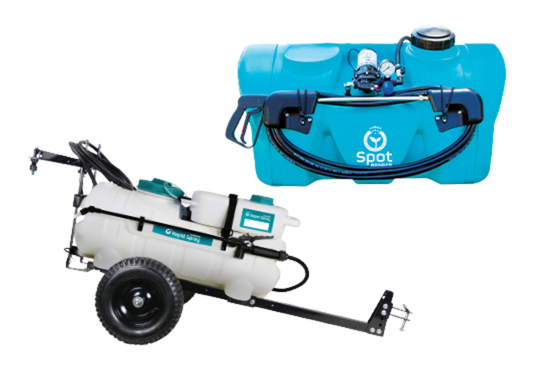
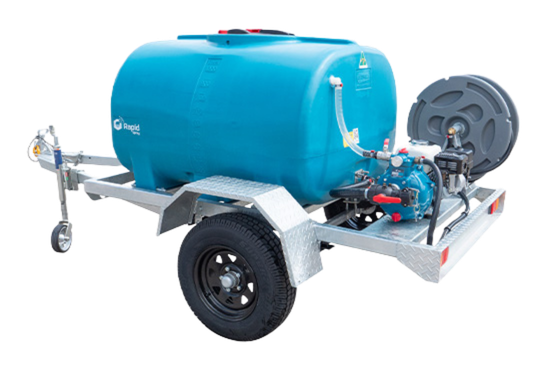
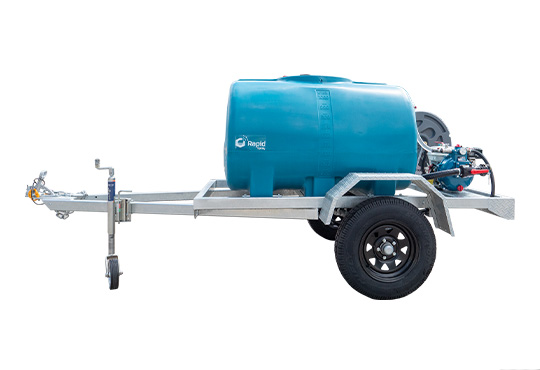
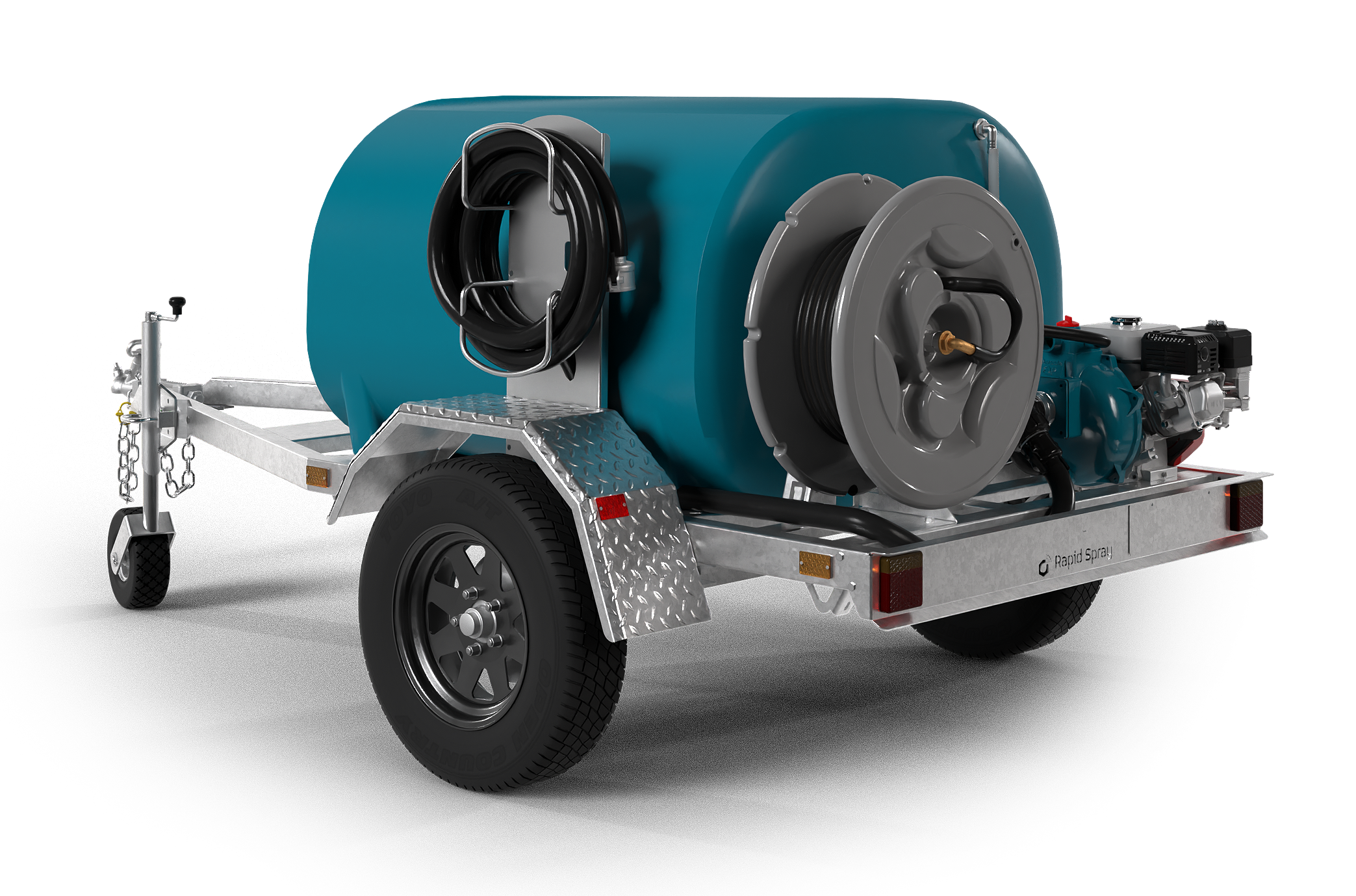
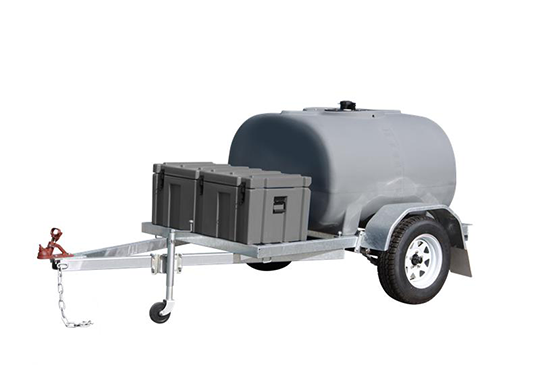
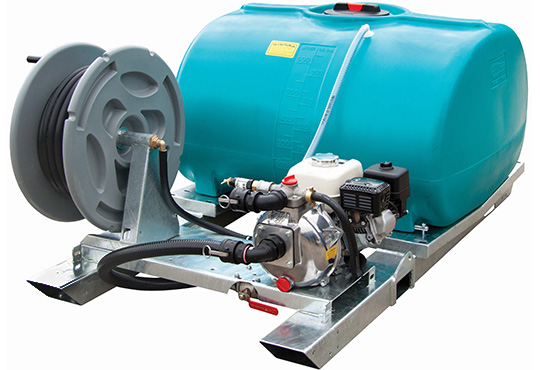
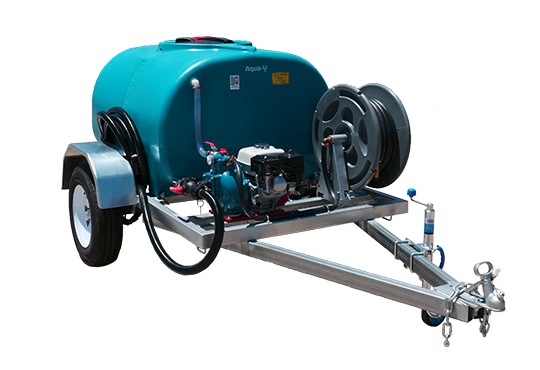
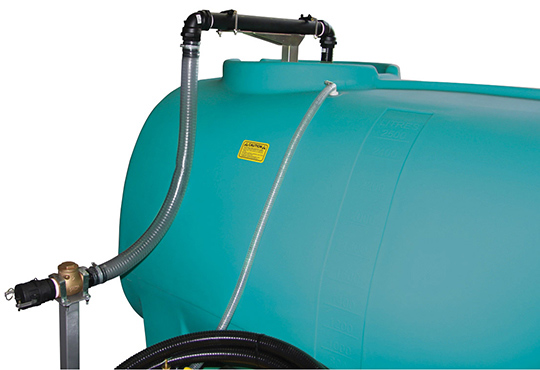
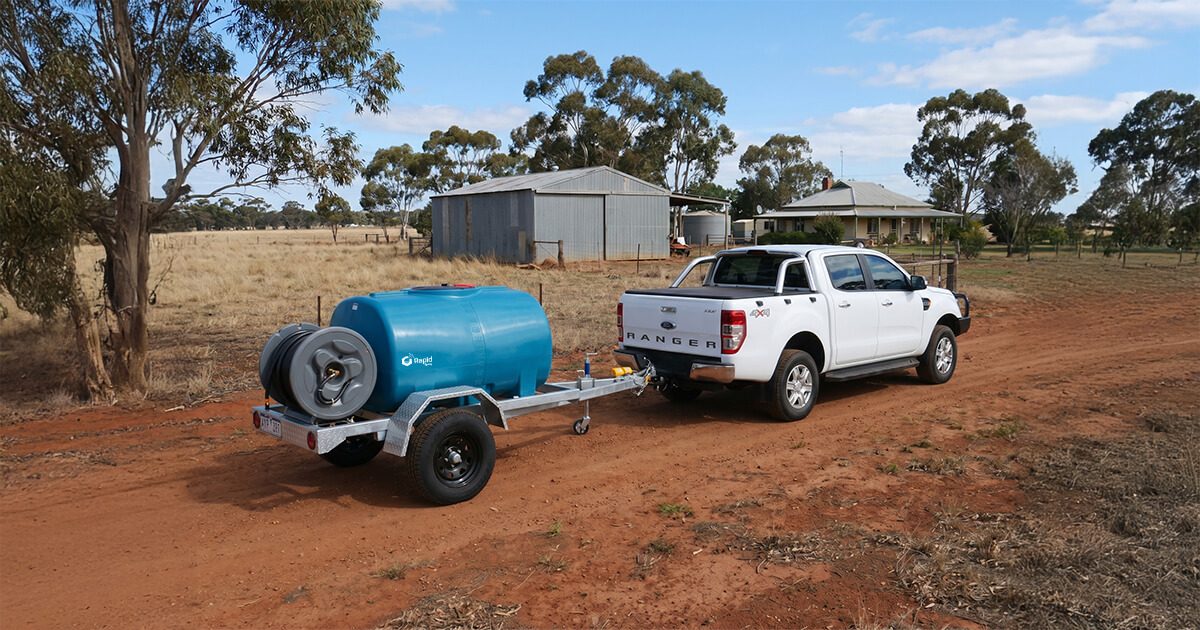
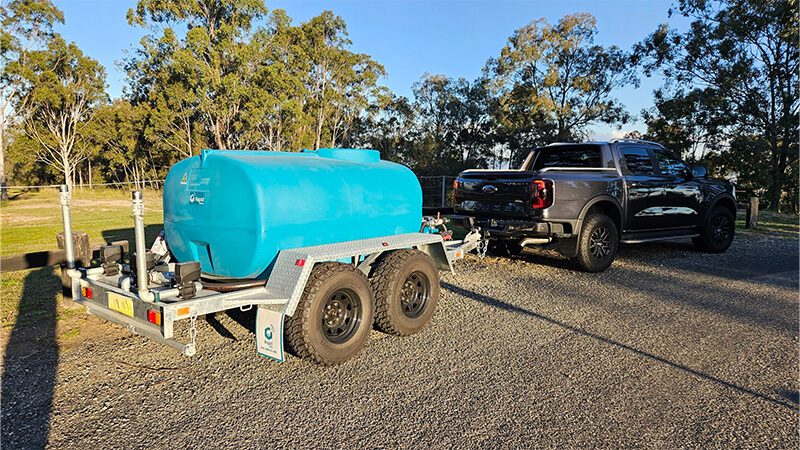
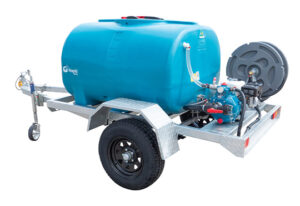
A trailer mounted water tank is exactly what it sounds like: a liquid storage tank that sits on a trailer frame, making it portable and easy to move water, chemicals, or other approved liquids wherever you need them on a property. Unlike fixed or skid-mounted tanks, a trailer mounted setup can be hitched to a ute, tractor, or truck and driven across paddocks, job sites, and access tracks without any special lifting equipment.
The term “water tank trailer” is often used interchangeably, though in practice the two mean the same thing. Some operators distinguish between purpose-built trailer units and tanks that have simply been bolted onto a generic trailer frame, but for most property owners the practical difference is about build quality and what the unit is designed to handle over the long term.
In Australia, these units turn up in a huge range of settings: farms managing stock water points, rural properties preparing for bushfire season, civil contractors suppressing road dust, councils running vegetation management programs, and mining and industrial sites needing a mobile water source on hand. They are one of those pieces of equipment that once you have one, it is hard to imagine doing without it.
Who Actually Uses Water Tank Trailers in Australia?
The short answer is: a lot of people, for a lot of different reasons.
Farmers are probably the most obvious users. Whether it is carting water to remote troughs during drought, topping up spray equipment out in the paddock, or having a dedicated water supply ready during fire season, a water tank trailer is a genuinely useful piece of kit on almost any rural property. During drought conditions in particular, the ability to move water efficiently across a property can make a real difference to stock welfare and farm viability. You can read more about how those challenges play out in our post on Poly Water Cartage Tanks: A Cost-Effective Drought Solution for Farms and the broader picture of Water Cartage Assistance: Government Support for Drought-Stricken Farmers.
Civil and construction contractors use trailer mounted water tanks for dust suppression on unsealed roads, haul routes, and active worksites. This is a growing area given increased regulatory pressure around dust exposure and community amenity. We have written in detail about Dust Suppression in Australia: The Ultimate Guide if you want a thorough look at the options and the chemistry involved.
Government bodies and local councils often run custom-built trailer units for weed control, road maintenance, and vegetation programs. Our engineering team has worked on a number of these kinds of builds over the years, including the GreenMax Water Trailers: Custom Build for Government Water Departments.
Rural fire services and landowners with bushfire management plans are another big category. Having a trailer mounted tank with a pump and hose reel means you can respond quickly to spot fires and support fire-fighting efforts on your property without waiting for a permanent installation. This links closely to our Fire Marshal Water Trailer, which was designed specifically around these property-level fire fighting needs.
Key Features to Look for in a Water Tank Trailer
Not all trailer mounted water tanks are created equal, and if you are going to spend money on one, it is worth understanding what separates a good unit from one that will give you headaches after the first season.
Tank quality and material
The tank itself is the core of the unit. In Australia, polyethylene (poly) tanks have largely become the go-to choice for this kind of application. They do not rust, they handle the UV exposure that comes with working outdoors in Australian conditions, and they are available with very long warranties from reputable manufacturers. Rapid Spray backs its poly tanks with an industry-leading 25-year warranty, which gives you a good sense of how seriously we take tank longevity. For a deeper look at why poly tends to outperform steel and fibreglass in most on-farm applications, take a look at our post on Poly vs Steel vs Fibreglass Tanks: Which Is the Best Choice?.
Trailer frame construction
The trailer frame needs to handle not just the weight of a full tank but the stress of driving across rough terrain. A 1,000-litre tank full of water weighs around a tonne before you factor in the trailer itself. Look for hot-dip galvanised or powder-coated steel frames with proper cross-bracing, and make sure the axle rating matches the loaded weight of the unit. Registered trailer compliance matters too, particularly if the unit will be used on public roads.
Pump and plumbing setup
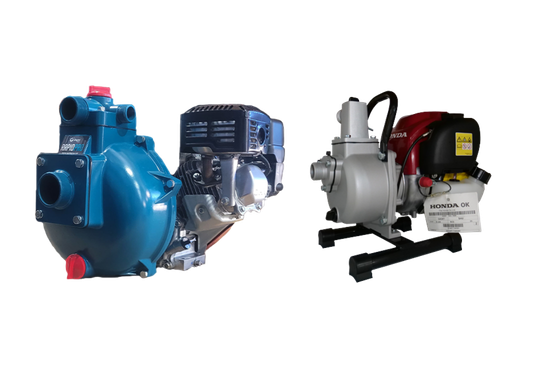
Most trailer mounted water tank setups come with or are designed to accept a 12V or PTO-driven pump. The pump choice matters a lot depending on what you are using the water for. Higher-pressure pumps suit fire fighting and spot spraying; lower-pressure, higher-flow units suit cartage and dust suppression. Check the fittings, the hose length and reel configuration, and whether the unit has a bypass or pressure regulation system.
Baffles inside the tank
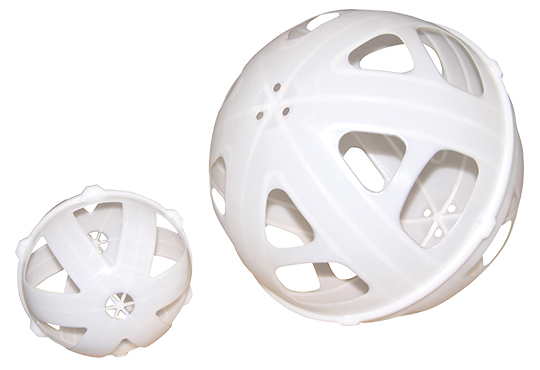
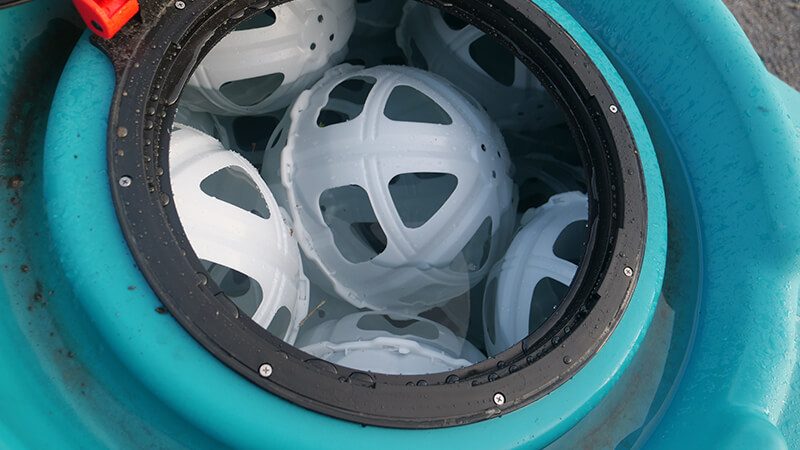
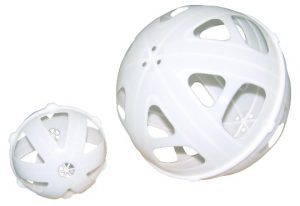
Liquid moves when you drive, and a partially filled tank can create surge forces that affect vehicle handling. This is not a theoretical problem; it is a real safety issue on open roads and unsealed tracks. Ball baffles inside the tank compartment reduce surge significantly by breaking up the movement of liquid. We have covered this in detail in our post on Ball Baffles Explained: How They Improve Liquid Transport Safety, and if this is new to you it is worth a read before you buy.
Fill and outlet access
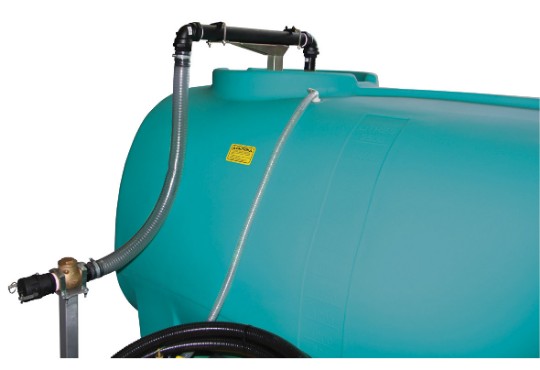
Think about how you will fill the tank (gravity fill from a header tank, pump from a dam, town water connection) and how you will use the water at the other end. Fittings, valve placement, and lid access points should all be practical for how you actually work, not just how they look on a brochure.
Poly vs Steel: Which Tank Material Is Better for a Trailer?
We get this question a lot, so it is worth spending a moment on it here. Steel tanks have a long history in Australian agriculture and some operators remain loyal to them, often for reasons of familiarity or because they have a welding background and can repair steel themselves.
That said, poly tanks have clear advantages in most trailer mounted applications:
- They do not rust, which is significant given that most water tank trailers spend their lives outdoors and are regularly wet inside and out.
- Poly is lighter than an equivalent-volume steel tank, which matters for tow vehicle capacity and fuel consumption.
- Poly does not react with most chemicals, making it more versatile if you ever need to use the trailer for liquid inputs like liquid fertiliser.
- Specific gravity and weight ratings on quality poly tanks are well-documented, which helps with compliance. See our post on Poly Tank Weight Ratings: Why Specific Gravity Matters for the technical background.
The main argument for steel is repairability and the ability to fabricate custom shapes and fittings. For most farm and commercial applications, though, poly wins on practicality. For a full comparison, including fibreglass, we recommend reading Poly vs Steel vs Fibreglass Tanks: Which Is the Best Choice? and also Challenging Common Misconceptions About Poly Tanks.
How Ball Baffles Improve Safety During Transport
One of the things that surprises people when they first start transporting significant volumes of liquid is how much effect the moving water has on vehicle handling. A 1,500-litre tank that is two-thirds full can create substantial forward and lateral surge forces when you brake or corner. On a sealed road this is uncomfortable; on a narrow farm track or a road with soft edges, it can be genuinely dangerous.
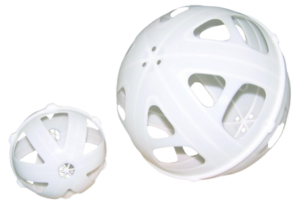
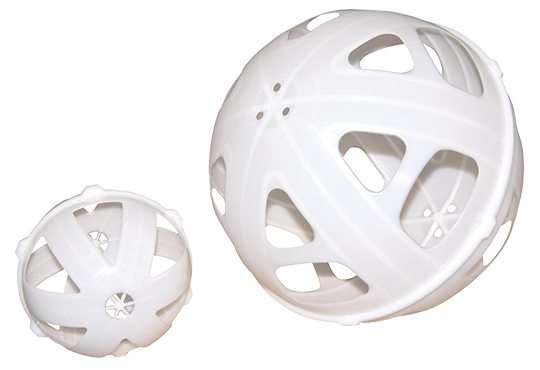
Ball baffles are a practical solution to this problem. Essentially, they are rounded baffles inside the tank that restrict the free movement of liquid without completely preventing it. They reduce surge without creating dead spots that are impossible to drain or clean. Our post on How Ball Baffles Improve Liquid Tanker Safety and Stability covers the newer developments in this area, and the original explainer Ball Baffles Explained: How They Improve Liquid Transport Safety is also a solid read if you want the fundamentals. You will also find some operator-comfort context in How Ball Baffles Improve Operator Comfort in Liquid Transport.
If you are buying a water tank trailer for regular road use with partial loads, baffles should be a non-negotiable item on your list.
Sizing Your Water Tank Trailer for the Job
Getting the size right matters more than most people think before they make their first purchase. Too small and you are making multiple trips. Too large and you are hauling unnecessary weight, putting more strain on the tow vehicle, and potentially exceeding your trailer registration or tow capacity.
Here are some rough reference points:
Under 500 litres: Suited to spot spraying, small property biosecurity stations, and light dust suppression. Easy to tow with a standard ute or quad bike with appropriate tow rating.
500 to 1,000 litres: The most common range for general farm use. Handles stock water carting, fire fighting first response, and medium-scale dust suppression. Typically suited to a ute or light tractor.
1,000 to 3,000 litres: Heavy-duty farm and commercial use. You need a capable tow vehicle or tractor with appropriate hydraulic brakes on the trailer. These units are also used by water carriers and councils for serious dust suppression work.
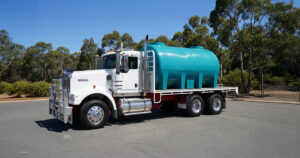
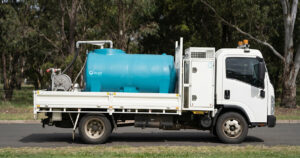
Over 3,000 litres: More specialist territory, typically for water carting trucks or purpose-built transport rigs rather than a standard trailer setup.
It is worth thinking about where you will fill the tank and how far you need to travel with it full. A 2,000-litre load is not something you want to be driving long distances on rough tracks if your tow vehicle is already near capacity.
Fire Fighting Applications for Trailer Mounted Water Tanks
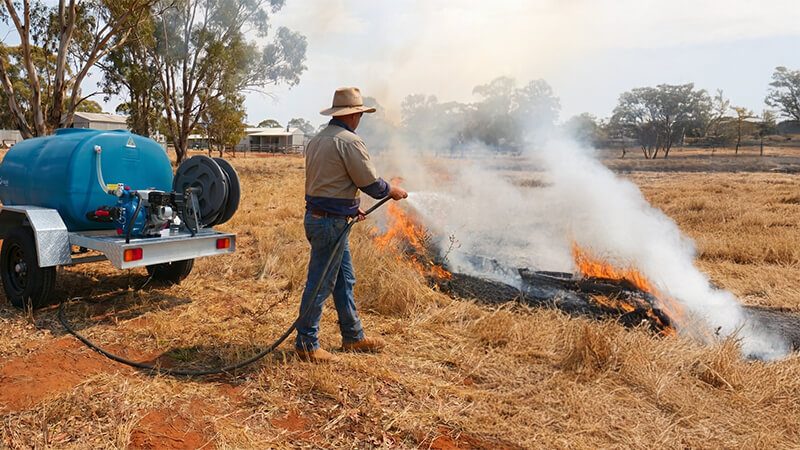
Bushfire is a real and recurring risk for most Australian rural properties, and having a water tank trailer set up for fire fighting is one of the more practical things you can do before fire season. A dedicated fire fighting trailer gives you a mobile water source that can be positioned close to a fire front, refilled from a dam or water point, and used independently of any fixed infrastructure that might be compromised in a fire.
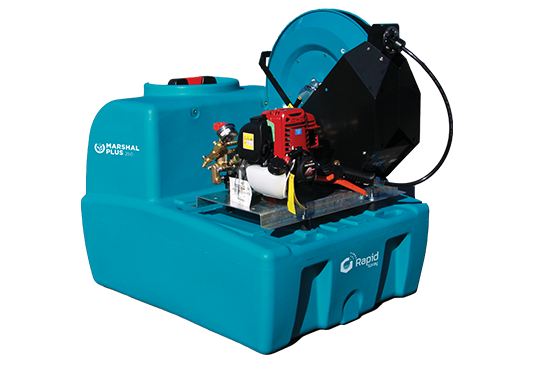
Our Fire Marshal Water Trailer was designed specifically for this purpose and includes features like a Honda engine-driven pump, fire hose reel, and a poly tank rated for the job. If you are putting together a bushfire response plan for your property, it is worth reading alongside our Bushfire-Ready Property Checklist and the broader advice in Bushfire Preparedness: How to Give Your Property a Fighting Chance.
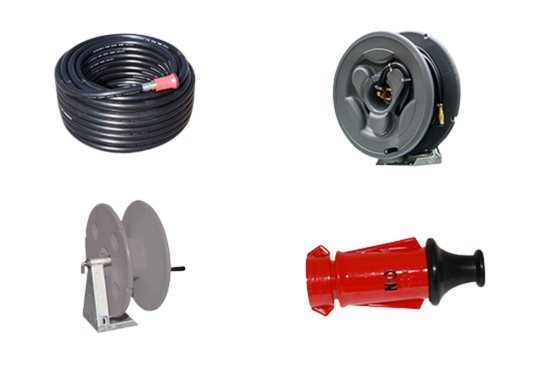
For properties in fire-prone areas, it is also useful to understand the difference between fire hose reels and fire hoses, which we covered in Fire Hose Reels vs Fire Hoses: Which Do You Need on Your Property?, and how to make your existing fire fighting unit more effective via 8 Ways to Make Your Fire Fighting Unit More Effective.
A few practical points for fire fighting water tank trailers specifically:
- Make sure the pump flow rate and pressure are sufficient for fire fighting use, not just general water carting.
- A fast-fill inlet makes a real difference when you are refilling from a dam under pressure.
- Consider ember protection for the engine and pump components.
- Always test and service the unit well before fire season, not during it.
Dust Suppression and Construction Site Uses
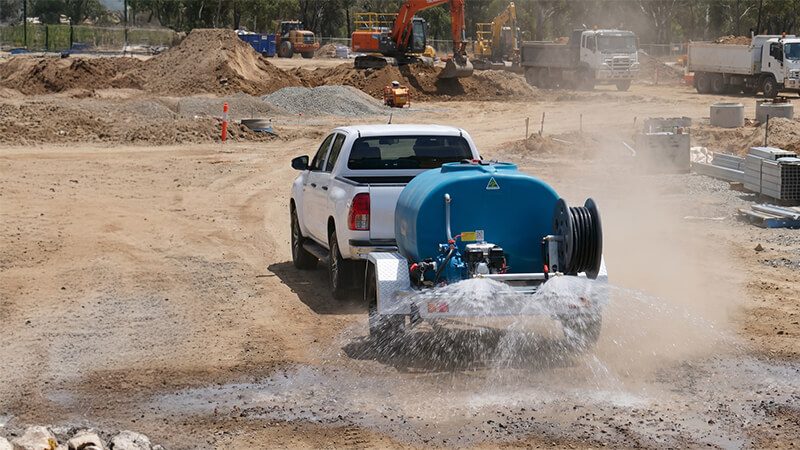
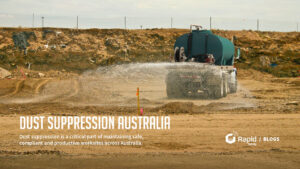
Dust suppression is a legitimate and growing use case for trailer mounted water tanks, particularly as work health and safety regulations around silica and general dust exposure have tightened. A water tank trailer fitted with a spray bar or hand-held nozzle allows you to wet down unsealed roads, active workfaces, and stockpiles without needing a permanent water point nearby.
Our comprehensive post on Dust Suppression in Australia: The Ultimate Guide covers the different methods available, the role polymer additives can play in extending suppression time, and how to match the right approach to different site conditions. The post on Dust, Erosion and Sediment Control Using Polymer Solutions is also relevant if you are dealing with erosion as well as pure dust.
For civil and government contractors, it is also worth noting that dust suppression capability can be a factor in winning tenders, particularly on road and maintenance contracts where community amenity and safety compliance are assessed. This connects to the broader point we made in Why Weed Management Is Critical for Winning Government Tenders, where visible commitment to site management standards can make a real difference in tender evaluation.
Biosecurity and On-Farm Hygiene
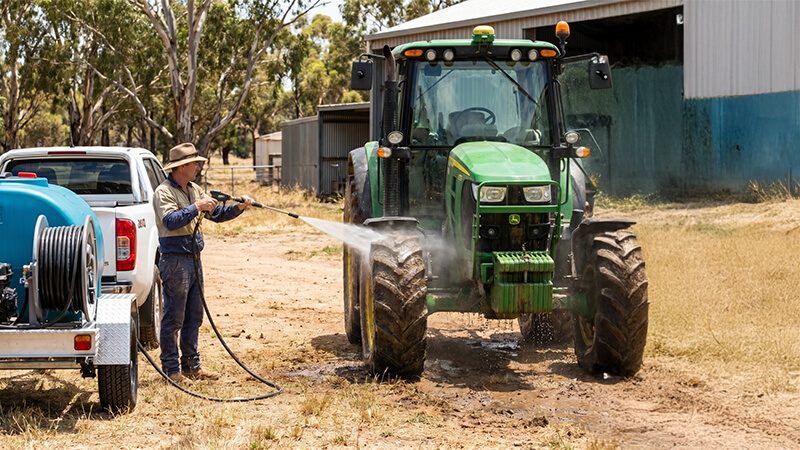
This is an underrated application for water tank trailers. Having a dedicated portable water supply for vehicle wash-down stations at property entry points is genuinely useful for biosecurity management, and is increasingly expected as part of farm biosecurity planning in the livestock and horticulture industries.
A well-set-up trailer with a pump and hose can serve as a mobile wash-down station that can be repositioned to wherever vehicles are entering the property, rather than relying on a single fixed point that may not be conveniently located for all access routes. Our post on How Water Trailers Enhance On-Farm Biosecurity in Australia covers this in more detail, including the kinds of biosecurity protocols that a mobile water supply supports.
Matching Your Water Tank Trailer to Your Tow Vehicle
It sounds obvious, but it is genuinely one of the most common mistakes people make when buying a water tank trailer. They buy the tank and trailer based on capacity needs and then discover the tow vehicle is not rated for the gross trailer mass, or the trailer needs electric brakes that the vehicle is not wired for.
Before you commit to a trailer size, check:
- The tow ball mass (TBM) rating of your vehicle, not just the towing capacity. A vehicle rated to tow 3,500 kg may have a tow ball mass limit of only 350 kg, which becomes relevant as tank size increases.
- Whether the trailer is over 750 kg gross trailer mass (GTM), which typically triggers a requirement for trailer brakes in most states.
- Whether your tow vehicle has the appropriate brake controller wiring if electric brakes are required.
- Tyre ratings on both the vehicle and trailer, particularly for long-distance road travel.
For tractor-towed setups, most of these road-registration concerns are less relevant for in-paddock use, but you still need to make sure the tractor has the hydraulic or electrical capacity to run any pump equipment on the trailer.
What to Ask Before You Buy
Here is a practical checklist of questions worth running through before you commit to a water tank trailer purchase:
- What is the tank made from, and what is the warranty?
- Is the trailer compliant for road registration in my state?
- What is the gross trailer mass when full, and does my tow vehicle handle that?
- Does it include baffles inside the tank?
- What pump is included, and is it suited to my primary use?
- What hose reel and fittings are standard, and what is optional?
- How do I fill the tank, and is there a fast-fill option?
- Can the unit be customised for specific requirements?
- What does the manufacturer’s support look like if something goes wrong?
These are also useful questions to put to a dealer or the manufacturer directly. If you want to understand more about what makes Rapid Spray equipment reliable in the field, our post Rapid Spray Equipment: Built for Reliability, Strength and Easy Maintenance gives some background on how we approach design and build quality.
The Rapid Spray Range
Rapid Spray has been building water transport and spray equipment for Australian conditions for decades. Our trailer mounted water tank range spans from compact farm units through to heavy-duty setups for commercial and government applications, including On-Farm/ Off-Road and Road-Registerable (ADR Compliant) options.
Relevant product categories to explore:
- Water Tank Trailers – the core range of trailer mounted water tanks
- Fire Fighting Trailers – dedicated fire fighting trailer units including the Fire Marshal
- Poly Tanks – standalone tank options for custom or skid-mounted setups
- Commercial/ Civil Fleets – for applications that need something beyond the standard range
If you are trying to work out what configuration suits your situation, the best starting point is usually a conversation with one of our product specialists or your nearest Rapid Spray dealer. They can help you match the right tank capacity, pump spec, and trailer setup to your actual needs rather than just going on paper specifications.
Frequently Asked Questions
What is the difference between a trailer mounted water tank and a water tank trailer?
In practice, the two terms mean the same thing. A trailer mounted water tank refers to a liquid storage tank that has been fitted to a trailer frame for portability. “Water tank trailer” is simply the more common shorthand. The key distinction worth paying attention to is whether the unit has been purpose-built as an integrated system or whether a tank has been bolted onto a generic trailer, as this affects structural integrity, pump integration, and long-term durability.
How much does a water tank trailer cost in Australia?
Pricing varies widely depending on tank capacity, trailer specification, pump setup, and whether the unit is a standard configuration or custom build. Entry-level units with smaller tanks and basic pump setups can start from a few thousand dollars, while commercial-grade units with larger tanks, engine-driven pumps, and hose reels can run into the tens of thousands. It is worth getting a quote based on your actual requirements rather than choosing on price alone, as the wrong spec for your use case will cost more in the long run.
What size water tank trailer do I need for fire fighting?
For property-level fire fighting, most landowners find a unit in the 500 to 1,500-litre range practical. Larger tanks carry more water but add weight and can be harder to manoeuvre near a fire front. The pump specification matters just as much as tank size; you need adequate flow rate and pressure to supply a fire hose effectively, not just a garden-style trickle. Our Fire Marshal Water Trailer was designed specifically for this application and is a good reference point for what a capable on-farm fire fighting unit looks like.
Do I need a licence or registration for a water tank trailer?
In most Australian states, trailers above a certain gross trailer mass (GTM) must be registered for use on public roads. The threshold and specific requirements vary by state, but as a general rule, any trailer you plan to tow on public roads should be checked against your state’s transport authority requirements. Trailers operated entirely on private property are generally exempt from road registration, though safety requirements around brakes and towing capacity still apply. Always check current state-specific rules before purchasing.
Can I use a water tank trailer for chemicals or liquid fertiliser?
It depends on the tank material and any previous contents. Quality poly tanks are chemically resistant to a wide range of agricultural inputs, but you should always check the specific gravity rating and chemical compatibility of the tank before using it for anything other than water. Some chemicals require dedicated tanks that have never stored other substances. If in doubt, contact the tank manufacturer or the Rapid Spray team for advice on compatibility.
How do I stop the water from sloshing around when I drive?
Ball baffles inside the tank are the most effective solution. They reduce liquid surge during braking, cornering, and driving on rough terrain without creating drainage problems or dead spots inside the tank. If you are buying a new unit, ask specifically whether baffles are included. Our posts on Ball Baffles Explained: How They Improve Liquid Transport Safety and How Ball Baffles Improve Liquid Tanker Safety and Stability cover this in detail.
How long do poly water tank trailers last?
A quality poly tank from a reputable manufacturer, properly maintained, should last well beyond 20 years. Rapid Spray backs its poly tanks with a 25-year warranty, which is a reliable indicator of expected service life when the tank is used within its rated specifications. The trailer frame, pump, and ancillary components typically have shorter service lives and should be maintained and replaced as needed.

Have a question about trailer mounted water tanks or need help choosing the right water tank trailer for your property? Get in touch with the Rapid Spray team or visit your nearest dealer.
Select A Dealer
No dealer selected